SNL UK Faces Backlash Over Controversial Hitler Suicide Joke Aimed at Mark Zuckerberg
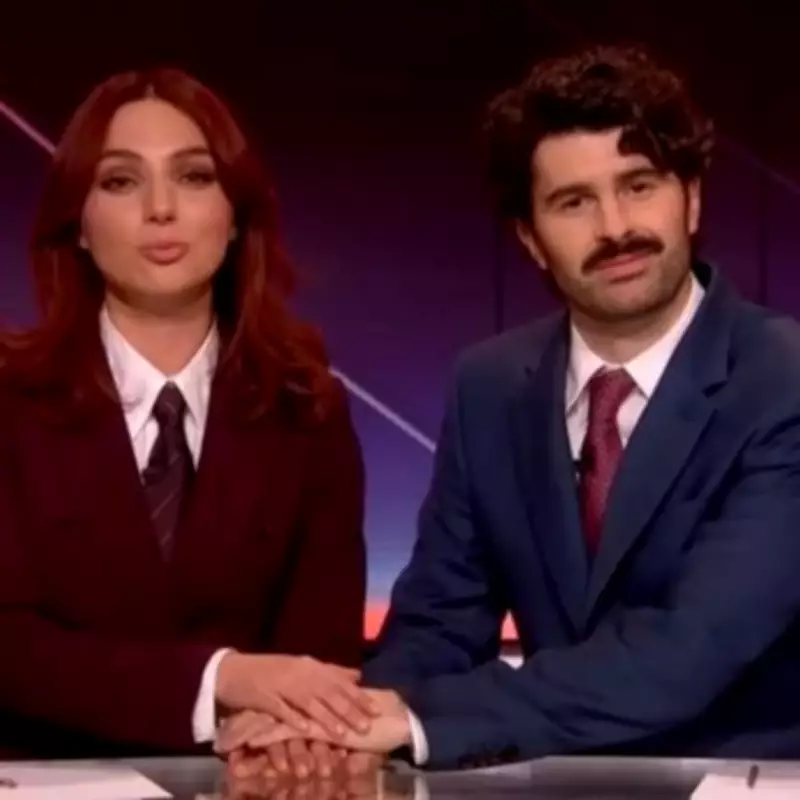
The recently launched British version of Saturday Night Live has ignited a firestorm of controversy after a segment appeared to suggest that Meta billionaire Mark Zuckerberg should take his own life. The joke, which aired during the Weekend Update sketch, has drawn widespread condemnation from viewers and sparked intense debate on social media platforms.
Controversial Bunker Comparison Sparks Immediate Outrage
During the live broadcast, comedian Ania Magliano targeted Facebook founder Mark Zuckerberg while discussing reports that the tech mogul is constructing a bunker beneath his California compound. Magliano stated: "It's been revealed that Meta billionaire Mark Zuckerberg is building a bunker under his compound in California, and I hope he uses that bunker in exactly the same way Hitler did."
The reference to Adolf Hitler's suicide in his Berlin bunker during the final days of World War II prompted audible gasps from the studio audience. The comparison between Zuckerberg's defensive structure and the site where the Nazi leader ended his life after orchestrating the Holocaust was immediately recognized as crossing a significant boundary in comedic taste.

Social Media Erupts with Criticism and Debate
Viewers at home wasted no time expressing their outrage across various social media platforms, with many questioning how such material made it to broadcast. The controversy flooded Facebook comment sections with shocked reactions and heated discussions about the limits of comedy.
One viewer questioned: "So they want him to commit suicide?" while another commented: "That line about the bunker… yikes, but comedy’s supposed to push boundaries." A third viewer expressed disbelief: "How is that comedy?!"
The incident has raised serious questions about editorial judgment and the responsibility of comedy programs when addressing sensitive historical topics and making light of suicide.
Parallel Controversy in SNL US Involving Political Figures
This controversy emerges alongside similar criticism directed at the American version of Saturday Night Live, which recently faced backlash for a joke referencing the potential assassination of former President Donald Trump.
During a Weekend Update segment hosted by Michael Che, the comedian remarked on Trump's attendance at a theatrical performance, stating: "The president is going to the theatre, mean, what's the worst that can happen?" This was widely interpreted as a reference to the assassination of President Abraham Lincoln, who was shot while watching a play at Ford's Theatre in 1865.
Social media responses to the US joke were equally divided, with some viewers appreciating the historical reference while others condemned what they perceived as inappropriate humor about political violence. One user wrote: "So, #SNL joking that the President of the United States of America could be assassinated. Sick f***s!" while another noted the audience's enthusiastic response: "The audience erupted in cheers. Not applause, not laughter, cheers."
Historical Context and Contemporary Sensitivities
The Trump assassination joke gained particular sensitivity given the former president's history with actual attempts on his life. In July 2024, Trump narrowly escaped death when a gunman opened fire during a Pennsylvania rally, leaving the candidate with visible injuries. Earlier this year, reports surfaced about Iranian assassination plots against the former president.
One social media user connected these real-world events to the comedy sketch: "Considering this President - OUR PRESIDENT - was the victim of multiple assassination attempts, one of which he was actually struck by a f***ing bullet... WTF! This is not okay."
The historical parallel to Lincoln's assassination adds another layer of complexity to the controversy. John Wilkes Booth's shooting of Lincoln during a performance of Our American Cousin remains one of the most traumatic events in American political history, making references to it particularly charged.

Broader Implications for Comedy and Cultural Boundaries
These twin controversies highlight ongoing debates about the role of satire in contemporary media and where boundaries should be drawn when addressing sensitive topics. Both incidents demonstrate how comedy that references historical trauma, political violence, or suicide can quickly escalate from provocative humor to perceived endorsement of harmful actions.
The Saturday Night Live franchise, which has launched numerous comedy careers including those of Tina Fey, Will Ferrell, and Kristen Wiig, now faces questions about whether its trademark edgy humor has crossed into territory that many find unacceptable. The British version, having launched just last month, finds itself embroiled in controversy at the very beginning of its run.
As social media continues to amplify public reactions to such content, television producers face increasing pressure to balance creative freedom with social responsibility, particularly when jokes reference historical atrocities or suggest violence against public figures.