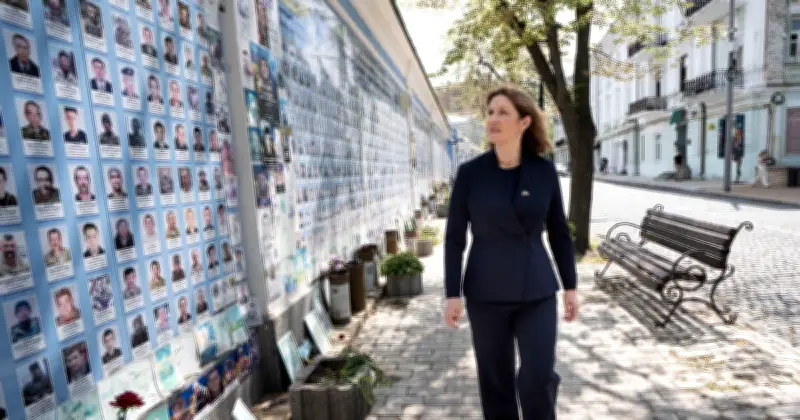
Chancellor Rachel Reeves has visited Kyiv to pledge “unwavering” support for Ukraine as the Ministry of Defence invests in high-speed boats and drones for the UK’s elite commando force. In what may be one of Ms Reeves’ last official acts as Chancellor, she met families at a UK-supported rehabilitation centre for children with disabilities, paid respects at the city’s memorial wall, and inspected battlefield technology used against Russian forces.
UK Financial and Military Support for Ukraine
The UK is providing Ukraine with £1.5 billion in non-military support in 2026-27, alongside Britain’s £3 billion a year military commitment. The Treasury says British support means more than 28,000 households and businesses can keep their lights and heating on over winter.
Ms Reeves said: “The UK's support for Ukraine is ironclad. Our partnership is not only helping Ukraine on the battlefield, but providing the financial firepower to build back stronger, help vulnerable people and protect critical infrastructure. Ukraine's security is Europe's security and we will continue to support the people of Ukraine.”

Investment in Commando Force Transformation
More than £500 million will be invested in the transformation of the UK Commando Force. According to the Ministry of Defence, new Defence Secretary Dan Jarvis has shifted the long-awaited Defence Investment Plan towards “more immediate priorities”. The new Future Commando Force will be focused on the “High North” and equipped with high-speed Commando Insertion Craft (CIC). These “could be used to seize further Russian shadow fleet tankers”.
Mr Jarvis said: “We’re investing in new lethal strike drones, high-speed boats and amphibious transport ships to give our Commandos the equipment they need to stay ahead of adversaries and defend us. The Defence Investment Plan will prioritise getting the latest kit into the hands of our frontline forces, so they can continue their vital work in an increasingly dangerous world.”
Political Context
His predecessor, John Healey, quit in protest at the lack of funding for the investment plan. The agreed version is expected before next month’s NATO summit in Turkey.