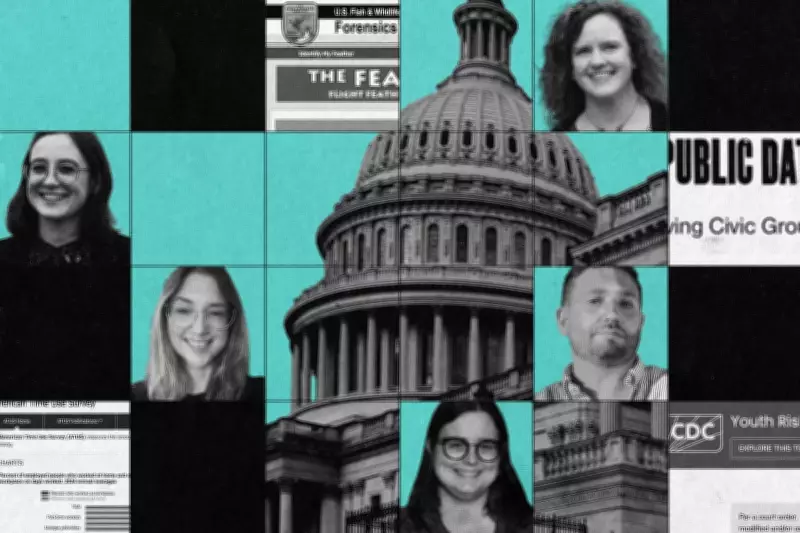
In 2025, a computer programmer named André spent his days downloading US government datasets before they could be deleted. Part of a group called the Data Rescue Project, he and over 800 volunteers worldwide have archived more than 3,000 items from hundreds of agencies, including climate, reproductive health, and LGBTQ+ data. The Trump administration has removed or altered thousands of webpages to purge 'woke ideology,' sparking a grassroots movement to preserve public information.
A Race Against Deletion
André, who asked to remain anonymous for safety, described the frantic pace: 'Things were going dark left and right.' Volunteers monitor group chats for deletion alerts and download data continuously. Lynda Kellam, a founding member and university data librarian, emphasizes that public data should be a public good, akin to roads and bridges. The project, which started during Trump’s second term, now includes librarians, academics, programmers, and retirees.
Building Data Resilience
Initially a mad dash, the project has evolved to focus on long-term accessibility. Archived data is uploaded to DataLumos, a repository at the University of Michigan, complete with metadata. Volunteers prioritize high-risk datasets, as the US government produces at least 500,000 federal datasets on Data.gov. Sef Kloninger, a former Google engineer, joined because he believes a less informed populace is easier to control.

Successes and Impact
Notable saves include the HIFLD Open maps of critical infrastructure, which emergency responders use during disasters. After the Department of Homeland Security removed it, volunteers helped rebuild a public version called HIFLD Next. Other preserved items include CDC data on queer and trans people, NASA webpages, and the US Fish & Wildlife Service’s Feather Atlas. As of late April, archived items have been downloaded over 18,900 times.
A Social Movement
For André, the work provided purpose after a spinal injury left him housebound. 'It’s so inspiring to see how many people are willing to put in their time for no compensation,' he said. Kellam calls it a social movement, with over 20 groups advocating for public data. 'We’re not going to have a million-person march on Washington on public data, but being able to get people interested in a topic that is somewhat nerdy and niche – I think we’ve been really successful with that.'