World leaders and policymakers from more than 120 countries are scheduled to assemble in Germany this Friday for the commencement of the 62nd Munich Security Conference. This high-profile three-day event is anticipated to be dominated by intensive discussions concerning the significant erosion of the rules-based international order. Conference organisers have emphasised that this year's gathering occurs at what they describe as a "fundamental inflection point" for global stability and security frameworks.
Key Speakers and Agenda Highlights
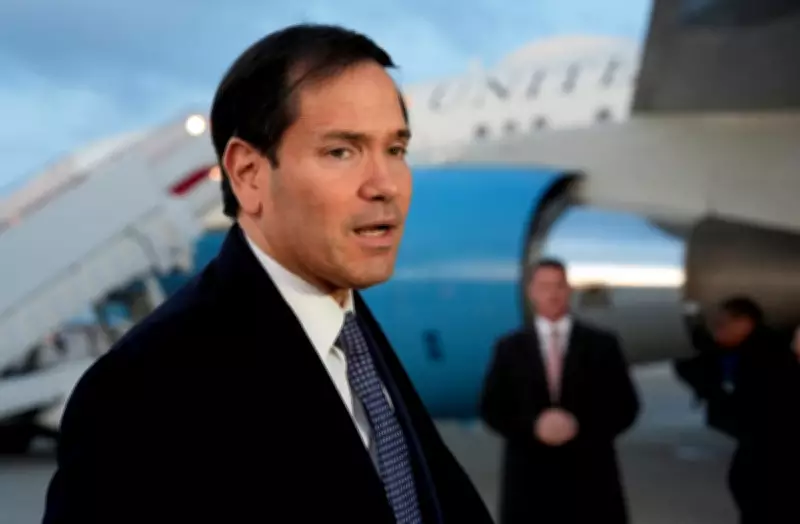
Prominent speakers at the conference include German Chancellor Friedrich Merz, UK Prime Minister Keir Starmer, French President Emmanuel Macron, and the President of the European Commission, Ursula von der Leyen. Their participation underscores the critical importance of European leadership and coordination in addressing contemporary security challenges. On Friday and Saturday, US Secretary of State Marco Rubio is expected to vigorously advocate for increased European burden-sharing in matters of common defence, a longstanding point of contention in transatlantic relations.
Backdrop of Deepening Geopolitical Uncertainty
The conference convenes against a complex backdrop of escalating geopolitical uncertainty. The United States has adopted an increasingly volatile and unpredictable tone towards its traditional European allies, leading to a major breakdown in trust between Washington and various European capitals. Former US President Donald Trump has repeatedly voiced grievances against NATO and made controversial threats, such as proposing to seize Greenland, actions that have alienated even some of his ideological allies within Europe.

Simultaneously, a broader global realignment is underway as nations attempt to balance deep trade interdependence with growing concerns over technology security and national sovereignty. Russia continues its aggressive military campaign in Ukraine, presenting a persistent threat to European security. In the Middle East, unresolved conflicts and intense regional power struggles—from the ongoing crisis in Gaza to tensions in the Gulf—add another volatile layer to an already highly contested and unstable global landscape.
Implications for International Cooperation
The discussions in Munich are poised to critically examine the resilience of multilateral institutions and the future of international cooperation. With the rules-based order under strain, leaders face pressing questions about how to reinforce collective security mechanisms, manage great-power competition, and address emerging hybrid threats. The outcomes of this conference could significantly influence defence policies, diplomatic strategies, and global governance structures in the coming months.
As the event unfolds, all major developments and key statements from Munich will be closely monitored and reported, providing critical insights into the shifting dynamics of global security and the collective response to these unprecedented challenges.