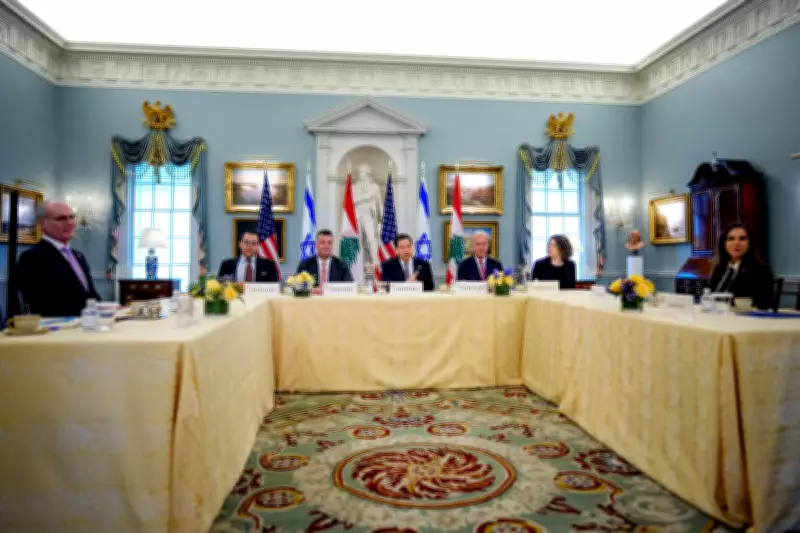
In a significant diplomatic development, Israel and Lebanon have initiated direct negotiations for the first time in decades, raising cautious hopes for peace amid a six-week conflict with Hezbollah. The talks, mediated by the United States in Washington, brought together Israeli Ambassador Yechiel Leiter and Lebanese Ambassador Nada Hamadeh Mouawad, marking a historic step after years of hostility.
Initial Talks Described as 'Wonderful' but Challenges Loom
Israeli Ambassador Yechiel Leiter characterized the first day of discussions as 'wonderful,' noting a 'convergence of opinion' on reducing Hezbollah's influence in Lebanon. He emphasized that the Lebanese government has asserted it will no longer be dominated by the militant group, citing weakened Iranian support as an opportunity for change. However, Hezbollah, which was not represented at the talks, has opposed the negotiations and escalated attacks on northern Israel in response, with senior officials vowing to disregard any agreements reached.
Background of the Conflict and Key Issues
The conflict erupted after Hezbollah launched rockets into Israel on March 2, 2026, retaliating against earlier US-Israeli strikes on Iran. Israel responded with intense bombardment and a ground invasion of southern Lebanon, deploying five divisions and destroying key bridges to isolate the region. By April 8, the deadliest day saw over 350 casualties from Israeli airstrikes, according to Lebanese authorities, displacing tens of thousands of people.

Lebanon's newly elected government, which came to power in early 2025 on a reformist platform pledging to disarm non-state actors like Hezbollah, has pushed for these talks. Their demands include an Israeli withdrawal from southern Lebanon, the release of Lebanese prisoners, reconstruction of devastated areas, and the return of displaced civilians. Additionally, Beirut seeks international funding to strengthen its military and gain control over Hezbollah strongholds.
Israel's Stance and Ceasefire Prospects
From Israel's perspective, the primary concern is Hezbollah's future role in Lebanon. While Lebanese President Joseph Aoun and Prime Minister Nawaf Salam have taken steps against the Iranian-aligned group, including banning the Iranian Revolutionary Guard and criminalizing Hezbollah's military activities, the militant organization retains the capability to strike northern Israel. Israeli officials have previously rejected ceasefire calls, though they temporarily halted attacks on Beirut last week at Washington's request.
The United Nations has welcomed the talks, and the White House expresses optimism for peace, with former US President Donald Trump claiming that Lebanese and Israeli leaders will speak directly. However, it remains uncertain whether these negotiations will lead to a full ceasefire, given Hezbollah's opposition and Israel's historical reluctance to cease hostilities without guarantees of security.