Kharg Island: Iran's Critical Vulnerability in the Persian Gulf Conflict
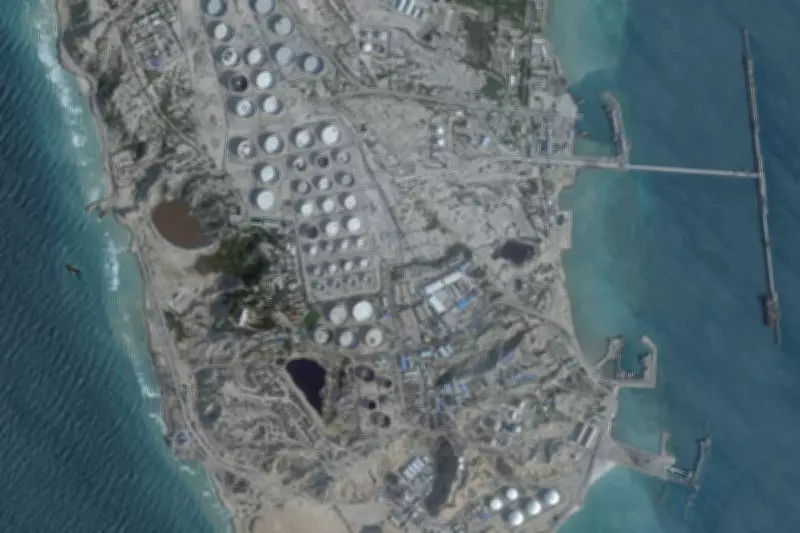
The tiny but strategically monumental Kharg Island has become the focal point of escalating military tensions between the United States and Iran. Handling a staggering 94 per cent of Iran's total oil exports, this remote Persian Gulf hub represents nothing less than the economic lifeline of the Iranian regime. As former President Donald Trump's deadline for a negotiated settlement looms, American B-2 stealth bombers have already launched multiple precision strikes on the island's facilities, signalling a dramatic intensification of the month-long conflict.
The Strategic Geography of a Pivotal Target
Located just 16 miles from the Iranian coast at the northern end of the Gulf, Kharg Island sits northwest of the critically important Strait of Hormuz. Iran has effectively closed this vital global shipping route to exert maximum pressure on the United States and its allies. While US forces possess the capability to seize the island rapidly, military analysts caution that any occupation would likely prolong the war rather than deliver a decisive victory. Iran has heavily fortified the territory with additional surface-to-air missile batteries and has laid extensive anti-personnel and anti-armour mines in the surrounding waters, according to CNN reports citing US intelligence sources.
Strangling Iran's Economic Lifeline
Discussions about seizing Kharg Island have indeed taken place within the US administration, as reported by Axios. The landmass, smaller than London's City of Westminster, could potentially choke off Iran's economy for years to come. "Seizing the island would cut off Iran's oil lifeline, which is crucial for the regime," explained Petras Katinas, a research fellow at the Royal United Services Institute. "With shipping through the Strait of Hormuz already halted, they cannot sell oil currently, but seizure would give the US significant leverage during any future negotiations, regardless of which regime emerges after military operations conclude."

Since the Islamic Revolutionary Guard Corps assumed complete control of the Strait of Hormuz, global shipping has largely ground to a halt. This disruption has severely affected international supply chains, with oil prices surging well beyond $100 per barrel since hostilities began. The IRGC has warned that prices could reach $200 if the conflict escalates further. Former Pentagon official Michael Rubin noted in a January analysis that controlling Kharg would prevent the Iranian regime from paying its bureaucrats and soldiers, while any Iranian ballistic missile attack on the island would devastate their own oil export capabilities for months.
Military Challenges and Regional Repercussions
Former US Central Command commander Joseph Votel told TWZ.com that while only 800 to 1,000 troops would be needed to occupy Kharg Island, they would require substantial logistical support requiring additional protection. Votel expressed doubts about the tactical advantage of such an operation, describing it as "kind of an odd thing to do" while acknowledging US capability. Troops would face not only pre-laid traps but also likely onslaughts of missiles and drones from Iranian forces.
Iranian Parliament Speaker Mohammad Bagher Ghalibaf has accused the United States of publicly signalling negotiation while secretly plotting ground attacks. Gulf allies have reportedly warned the administration against putting troops on Iranian soil, fearing retaliatory strikes against their own energy and civilian infrastructure. President Trump previously claimed that mid-March strikes had "obliterated" Iranian military outposts on the island while deliberately sparing oil infrastructure for strategic reasons.
Bargaining Chip or Dangerous Precedent?
Some analysts suggest the island could serve as a valuable bargaining chip in negotiations, given that oil exports constitute nearly 40 per cent of Iran's government budget. However, this would make American and allied troops vulnerable to sustained Iranian attacks. Oil analyst Tamas Varga told CNBC that seizing this pivotal hub would "deal a significant blow to the Iranian regime" by depriving them of critical revenue, drawing parallels to US intervention in Venezuela's oil sector earlier this year.

The island has historical significance, having been attacked by Saddam Hussein in 1984 during the Iran-Iraq conflict. Interestingly, Trump referenced Kharg Island nearly forty years ago during a 1988 interview with The Guardian while promoting The Art of the Deal, stating he would "go in and take it" if Iran threatened US personnel or ships.
Market Implications and Long-Term Consequences
Neil Quilliam of Chatham House warned that while seizure remains unlikely, any attempt would "likely send the markets into a tailspin" and potentially block future diplomatic resolution. "The US would effectively control Iran's major export terminal, but the Iranian leadership would remain in control of production, creating a dangerous standoff," he explained. Such action could also alarm Gulf countries by setting a dangerous precedent of territorial seizure. Quilliam concluded that while Kharg represents Iran's Achilles heel, fighting for it could cause irreparable damage to terminal infrastructure and harm any successor regime's economic management prospects, which is why previous presidents have avoided targeting it directly.