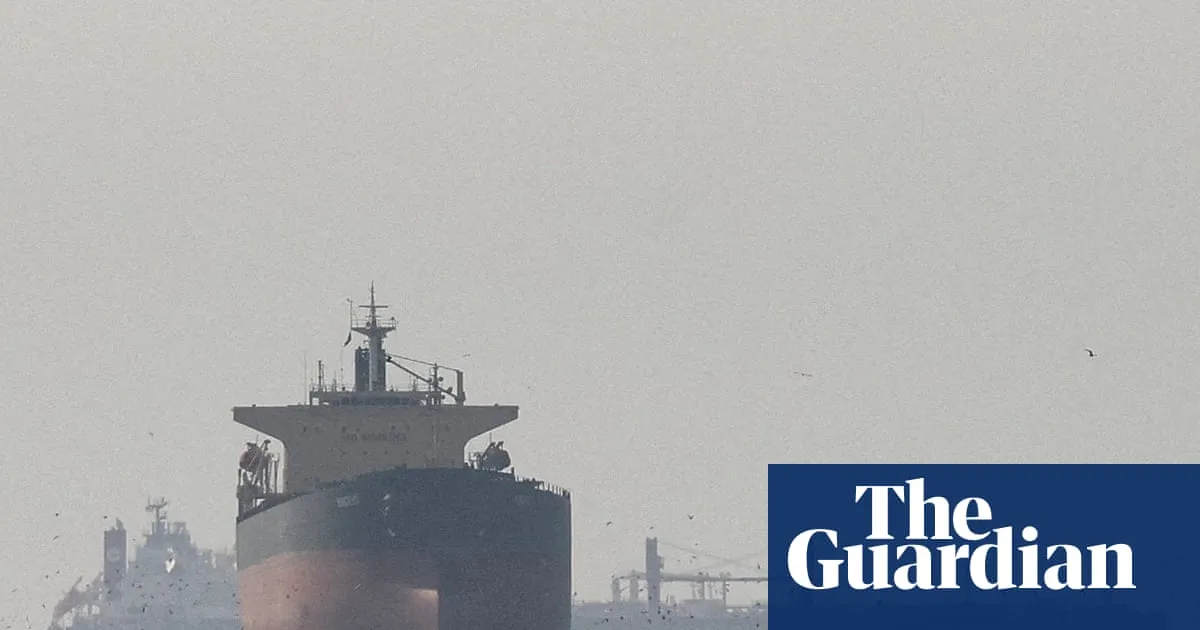
US President Donald Trump has intensified pressure on European and other allies to contribute to securing the Strait of Hormuz, warning that failure to do so would be 'very bad' for NATO. In an interview with the Financial Times, Trump stated it is 'only appropriate' for beneficiaries of the strait to help protect it.
The de facto closure of the vital waterway by Iran, in retaliation for US and Israeli airstrikes, has caused the largest oil supply disruption in history and soaring global oil prices. Trump's call for allies to send naval ships to protect commercial vessels has met a muted response, with Australia, France, Japan, and the UK among those declining to send ships.
Japan's Prime Minister Sanae Takaichi confirmed no plans to dispatch naval vessels, despite the strait's importance for Japan's energy security. Japan began releasing oil reserves for the first time since 2022 to alleviate supply concerns. Australia's Transport Minister Catherine King stated, 'We won't be sending a ship to the Strait of Hormuz.' The UK is considering aerial minesweepers but fears sending ships could worsen the situation.
Trump also ramped up pressure on China, an Iran ally, to help secure the strait, suggesting he 'may delay' a summit with President Xi Jinping. EU foreign ministers are set to discuss bolstering a naval mission but are not expected to extend its role to the strait.