Israel Condemns Spain Over Festival Effigy of Netanyahu as Antisemitic
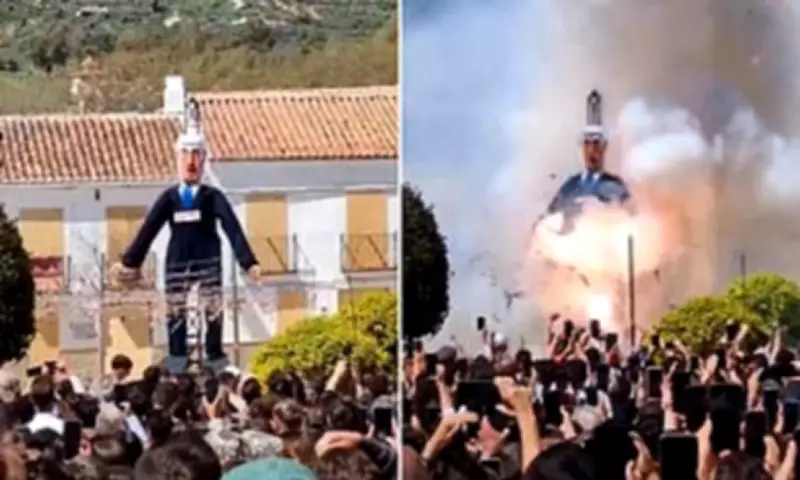
Israel has formally accused Spain of promoting antisemitic hatred following the destruction of a 23-foot-tall effigy of Prime Minister Benjamin Netanyahu during a traditional festival near Malaga. The incident, which occurred on April 5 in the town of El Burgo, involved the effigy being blown up with 14 kilograms of gunpowder as part of a decades-old ceremony.
Diplomatic Fallout and Accusations
In a strongly worded statement on social media platform X, Israel's foreign ministry described the display as "appalling anti-Semitic hatred" and claimed it was a "direct result" of "systemic incitement" by the government of Spanish Prime Minister Pedro Sánchez. The ministry called for immediate repercussions against Spain.
Spanish officials quickly responded, with a foreign ministry source telling Reuters that the government remains "committed to fighting anti-Semitism and any form of hate or discrimination" while "totally rejecting any insidious allegation which suggests the contrary."

Historical Context of the Festival
El Burgo Mayor María Dolores Narváez explained to local television that the annual event has traditionally featured effigies of various controversial figures, including former US President Donald Trump and Russian President Vladimir Putin in previous years. She emphasized the ceremony's long-standing cultural significance in the region.
Escalating Diplomatic Tensions
This incident represents the latest escalation in ongoing diplomatic disputes between Spain and Israel that began following the October 7, 2023, Hamas attacks on Israel. Spain has emerged as one of Europe's most vocal critics of Israeli military campaigns in Gaza, despite warnings from the United States about NATO allies appearing uncooperative.
Israeli Foreign Minister Gideon Sa'ar has previously characterized Spain's ban on aircraft and ships carrying weapons to Israel as fundamentally antisemitic. He argued that during joint US-Israeli military operations against Iran, the Spanish government deliberately acted against both Israeli and American interests.
Recent Diplomatic Actions
The tensions intensified further when Prime Minister Netanyahu ordered the removal of Spain's representatives from the Gaza ceasefire coordination centre in Kiryat Gat on Friday. This decision came after Spain accused Israel of conducting "indiscriminate bombings" in Lebanon.
In a recorded video message posted on X, Netanyahu declared: "The State of Israel will not remain silent in the face of those who attack us. Spain has slandered our heroes, Israel Defence Forces soldiers, the soldiers of the most moral army in the world. Therefore, I have instructed that Spain's representatives be removed."
Netanyahu added that he would not tolerate "this hypocrisy and this hostility" and warned that no country could "wage a diplomatic war against us without paying an immediate price."
Broader Regional Conflicts
Spanish Foreign Minister Jose Manuel Albares has separately accused Israel of violating international law through recent airstrikes across Lebanon, claiming these actions breached a two-week ceasefire agreement. Netanyahu countered that Lebanon was never included in the ceasefire terms and that Israeli military operations against Hezbollah would continue.
Spain's Regional Diplomacy
Further complicating relations, Spain came under additional criticism from Israel this week following Madrid's decision to reopen its embassy in Tehran. Israeli officials accused Spain of aligning itself with "the Iranian terror regime" through this diplomatic move.
Foreign Minister Albares announced the embassy reopening earlier in the week, stating Spain hoped "to achieve peace in the region" and had instructed its ambassador to resume duties "from every possible quarter, including from the Iranian capital itself."
Sa'ar responded on X, noting that Iran was "resuming the execution of its citizens, protesters and political dissidents" and calling Madrid's decision "an eternal disgrace."

Historical Precedents
This diplomatic confrontation follows Spain's November 2024 recognition of Palestine as a state alongside Ireland and Norway, a move that drew significant criticism from Israeli officials at the time. The current dispute over the festival effigy has brought these underlying tensions to the surface once again, highlighting the deepening rift between the two nations over Middle East policy.