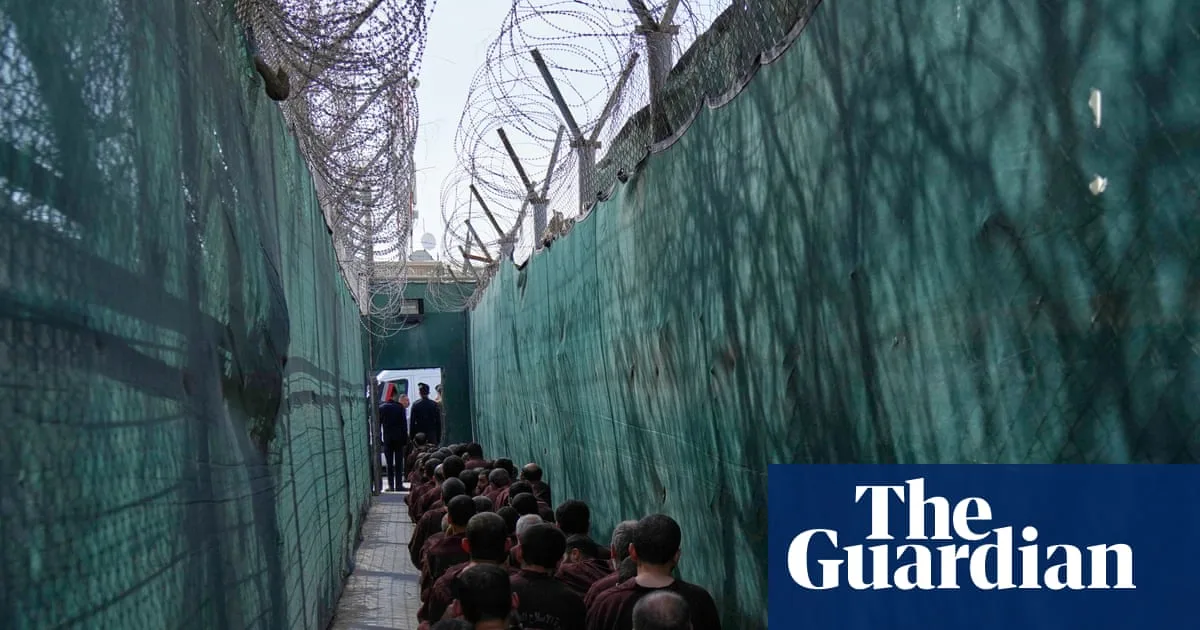
Iraq Urges Australia to Repatriate Suspected IS Fighters Transferred from Syria
Iraq Urges Australia to Take Back Suspected IS Fighters

Iraqi Official Presses Australia to Repatriate Suspected IS Fighters

In a significant diplomatic move, a senior Iraqi government official has urgently appealed to Australia to take back a group of suspected Islamic State fighters. This request follows the recent transfer of these detainees from Syria to Iraq, as part of a broader international effort to manage the aftermath of the conflict.

High-Level Meeting in Baghdad

Iraq's national security adviser, Qassim al-Araji, met with Australian ambassador Glenn Miles in Baghdad last week. During their discussion, al-Araji emphasized the importance of countries repatriating their citizens who are held in Iraqi prisons. He stated that foreign detainees should be returned to their home nations, despite the increasing challenges posed by regional instability, particularly due to the ongoing war in Iran.

Al-Araji, who previously served as interior minister, shared details of the meeting on social media platform X. He posted a photograph with Ambassador Miles and reiterated Iraq's call for international cooperation in handling the detainees. The national security adviser highlighted the need for intensified efforts to halt conflicts and prevent further expansion, aiming to safeguard regional security and reduce suffering.

Wide Pickt banner — collaborative shopping lists app for Telegram, phone mockup with grocery list

Background of the Transfer

The appeal comes after more than 5,700 suspected IS members were transferred from Syria to Iraq in a US-backed military operation. Among these detainees are approximately 13 Australian men, including one who was trafficked into IS territory as a child. This group represents a complex issue for both Iraq and Australia, as they navigate legal and humanitarian considerations.

Iraq's government has made it clear that it prefers foreign nationals to be repatriated promptly. However, the country is prepared to prosecute any individuals accused of committing crimes against Iraqi citizens. Justice Minister Khalid Shwani confirmed that Iraq is in contact with the home countries of the detainees to facilitate their return, provided they are not involved in terrorist activities within Iraq.

Australia's Stance and Challenges

The Australian government has recently resisted calls for repatriation, maintaining a firm position on not assisting ISIS-linked individuals in Iraq and Syria. A spokesperson for the Department of Foreign Affairs and Trade stated that Australia is not repatriating or providing support to these individuals. This stance contrasts with past actions, where some alleged fighters were returned to Australia on an individual basis and subsequently faced imprisonment.

Legal complexities further complicate the situation. The Australian men could face terror or foreign incursion charges if they return, potentially making them reluctant to come back. Additionally, at least one Australian has previously been sentenced to death in Iraq for IS membership, highlighting the severe consequences they might encounter.

Broader Implications and Regional Context

The meeting between al-Araji and Miles was primarily focused on discussing the conflict in Iran and broader Middle East turmoil. However, the issue of detainee repatriation has emerged as a pressing concern. Iraq has consistently executed individuals convicted of terrorism offences, ranking as the fourth-highest executioner globally in 2024, with most cases related to terrorism.

Families and lawyers of the Australian detainees have reported a lack of communication from both the Australian and Iraqi governments since the transfer. This silence adds to the uncertainty surrounding the fate of these individuals, who include husbands and fathers of Australian women and children still stranded in Syria.

As diplomatic efforts continue, the call for repatriation underscores the ongoing challenges in addressing the legacy of Islamic State and ensuring justice and security in a volatile region.

Pickt after-article banner — collaborative shopping lists app with family illustration




