Iranians Voice Skepticism and Varied Responses to Sudden US-Iran Ceasefire
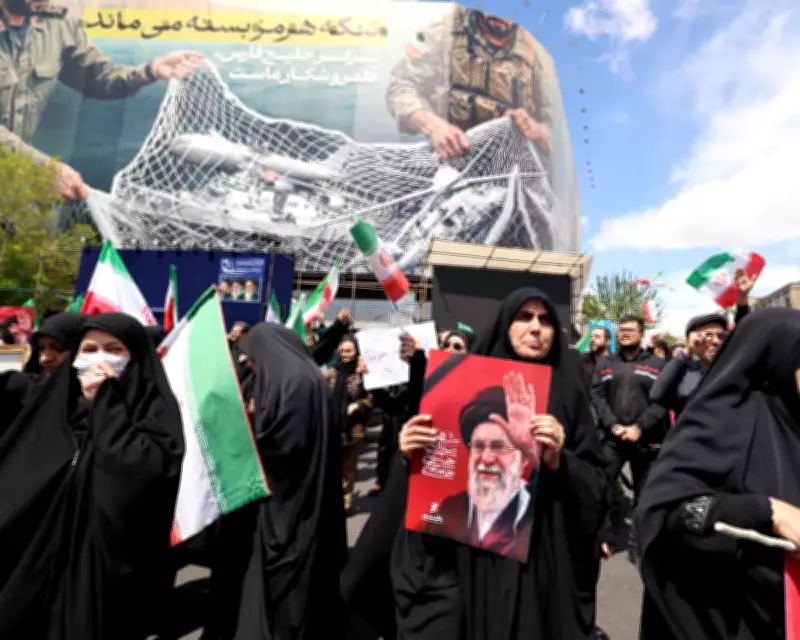
In the wake of a two-week ceasefire announced between the United States and Iran, crowds have assembled at Enghelab Square in Tehran, displaying a complex mix of emotions. The sudden pause in the destructive war, initiated by the US and Israel, has sparked heated discussions among pro-regime supporters, with many expressing profound distrust towards America.
Footage from the streets reveals small groups of people, some waving Iranian flags or wearing them as capes, engaged in intense debates. This scene, captured by Majid Nouri—son of a former Iranian prison official—and shared online, offers a rare glimpse into the domestic reaction. Nouri noted that arguments erupted overnight and continued into Wednesday morning, reflecting shock and upset among those who had been promised a total victory.
Deep-Seated Distrust and Pro-Regime Disquiet
The pro-regime activist, whose father Hamid Nouri was convicted in Sweden for 1988 executions but returned in a 2024 prisoner exchange, commented on the unexpected ceasefire. "In no way do we trust America. I don't think there is one Iranian who trusts America," he stated, adding that initial anger would likely subside. Reports from news agencies described pro-government demonstrators chanting "Death to America, death to Israel, death to compromisers!" and burning flags, despite organizers' attempts to calm them.

These actions underscore the ongoing fury from hardliners, who anticipated a decisive battle amid threats from Donald Trump but instead faced a sudden halt. The war has resulted in at least 1,900 deaths in Iran, with internet blackouts making it difficult to gauge the broader public mood, especially as anti-regime voices face suppression.
Cautious Optimism and Daily Life Resumes
Elsewhere in Tehran, a few cautious celebrations occurred in the early morning hours, but as the sun rose, life largely returned to normal without widespread euphoria. The atmosphere was characterized by exhaustion, cautious optimism, and persistent mistrust. Ali, a 31-year-old Tehran resident, explained, "Most people here don't trust the US and still don't know exactly what is going to happen, so they are unsure whether they should be happy or worried."
He emphasized a desire for a permanent end to the war under Iran's conditions, but noted uncertainties about the ceasefire's longevity. By Wednesday, more shops opened, traffic increased, and people ventured out to check on loved ones, indicating a tentative return to daily routines.
Official Narratives and Economic Impacts
Iranian leaders have framed the ceasefire as a victory, asserting that the war has elevated Tehran's global standing and demonstrated its ability to disrupt vital shipping routes like the Strait of Hormuz. Former foreign minister Ali Akbar Velayati claimed on social media that the conflict engineered "a new global power structure and the orientation toward a multipolar system," while President Masoud Pezeshkian credited the ceasefire to martyred leader Ali Khamenei and public support.
For some Iranians, the pause offers a chance to rebuild livelihoods. Hamid, a 43-year-old shop owner, reopened his grocery after weeks of closure due to bombings, stating, "Today feels like there is no war. I decided to open again because I feel safe. The last weeks have been very difficult for my business and my family." This sentiment highlights the economic toll and a fragile hope for stability amid ongoing geopolitical tensions.