Iranian Gunboats Target Tanker in Strait of Hormuz as Waterway Closure Escalates Tensions
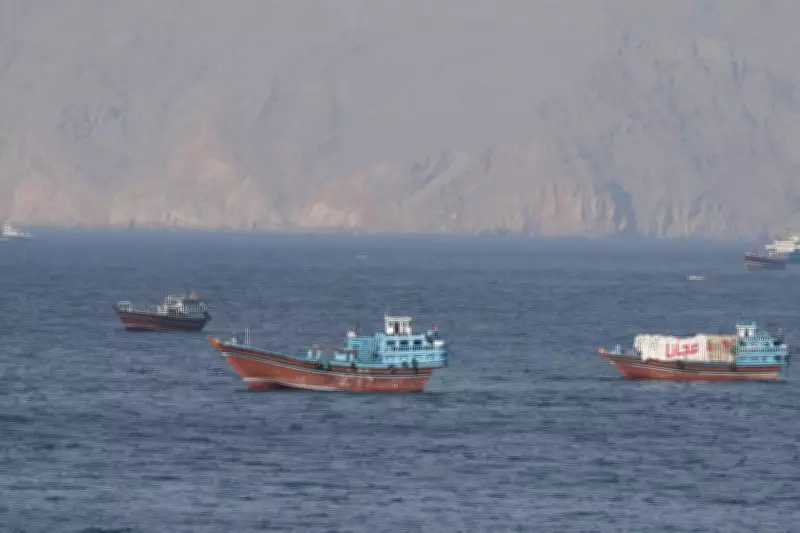
Gunboats associated with Iran's Revolutionary Guards (IRGC) have reportedly fired at a commercial tanker in the strategically crucial Strait of Hormuz, according to the UK Maritime Trade Operations (UKMTO) agency. The incident occurred approximately 20 nautical miles northeast of Oman, with the tanker's captain detailing that two gunboats initiated the attack without issuing any prior radio challenge or warning. The UKMTO has confirmed that, following the assault, the vessel and its entire crew were reported safe, though the attack underscores the volatile security situation in the region.
Background of the Strait Closure and Military Posturing
This aggressive act took place after Iran once again closed and restricted transit through the Strait of Hormuz, a vital maritime chokepoint for global oil shipments. Iran had previously reopened the waterway, but its joint military command has now declared that it will continue to block transit as long as the United States maintains its blockade of Iranian ports. In a statement, Supreme Leader Mojtaba Khamenei mocked former US President Donald Trump and threatened "new bitter defeats" for enemies, highlighting the escalating rhetoric between the two nations.
The closure of the Strait of Hormuz is a significant move, given its role in facilitating approximately one-fifth of the world's oil exports. Iran's actions are seen as a direct response to ongoing US sanctions and military pressures, which have strained diplomatic relations for years. The UKMTO, which monitors maritime security in the region, has been actively tracking such incidents to ensure the safety of commercial shipping lanes.

Implications for Global Trade and Regional Stability
The attack on the tanker raises serious concerns about the safety of maritime traffic in the Persian Gulf and could potentially disrupt global energy markets. With Iran's military command vowing to persist with the blockade until US policies change, the situation remains tense and unpredictable. Analysts warn that further incidents could lead to broader conflicts, impacting not only regional stability but also international trade routes.
In related developments, former US President Donald Trump commented on the ongoing tensions, stating that the White House would "have a party" when the Iran war ends, reflecting the deep-seated animosity between the two countries. As Iran continues to flex its military muscle in the Strait of Hormuz, the international community is closely monitoring for any signs of escalation or diplomatic breakthroughs to de-escalate the crisis.