Iran Rejects Ceasefire Plan Amid Trump's Strait of Hormuz Ultimatum
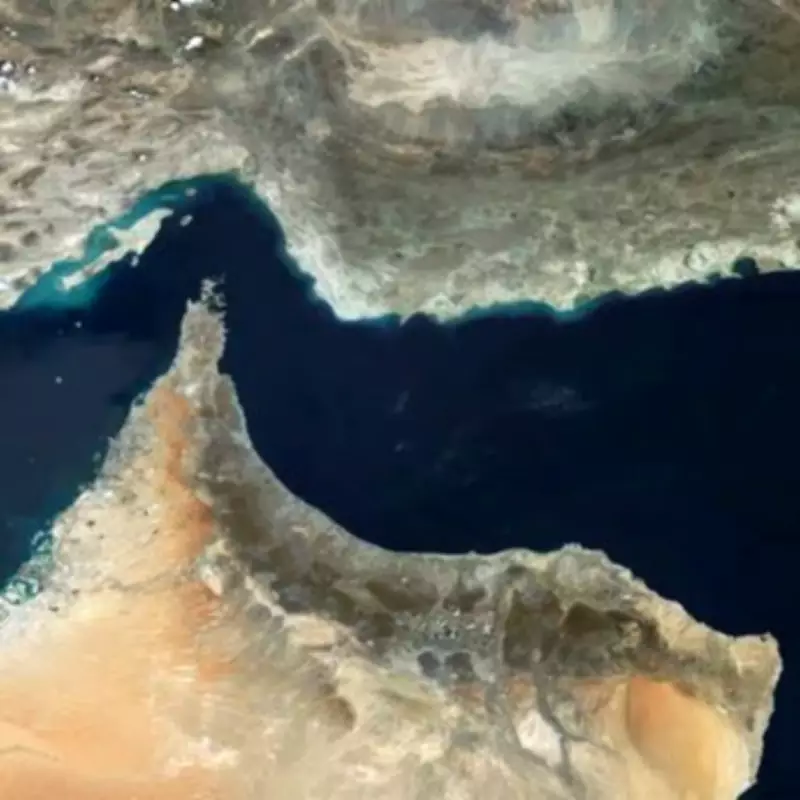
Iran has reportedly dismissed a new ceasefire proposal that would have required reopening the Strait of Hormuz in exchange for a temporary pause in hostilities. This decision follows a threat from former US President Donald Trump to destroy Iranian power plants and bridges if the key shipping route remains closed by Tuesday at 8pm ET (1am BST on Wednesday). An unnamed Iranian official stated that Tehran does not believe Washington is committed to a permanent ceasefire and will not yield to pressure over deadlines.
Escalating Conflict and Regional Strikes
The rejection comes as violence intensifies across the Middle East. Israeli Defence Minister Israel Katz announced that Israeli forces have struck a major petrochemical facility in Asaluyeh, Iran, claiming it produces around half of the country's petrochemicals. This attack follows another on a similar facility last week, with both reportedly responsible for about 85% of Iran's petrochemical exports. Katz described this as a severe economic blow to Iran, worth tens of billions of dollars, aimed at undermining funding for the Revolutionary Guards.
Additionally, Israel claims to have killed Asghar Bakeri, leader of the IRGC's undercover unit in its Quds Force, and Majid Khademi, the IRGC's intelligence chief. Iranian state media confirmed Khademi's death, blaming the US and Israel for the attack. Meanwhile, casualty numbers continue to rise, with over 3,400 people killed across the region since the US-Israeli joint attack on Iran began on February 28. This includes more than 1,900 in Iran, at least 1,400 in Lebanon, 23 in Israel, and 13 US service members, with two more dying from noncombat causes.

Diplomatic Efforts and International Reactions
A two-tier proposal to reopen the Strait of Hormuz, mediated by Pakistan, could have taken effect today, but Iran's refusal has stalled progress. The plan involved a 45-day ceasefire as part of a broader deal to end the war, but Iranian analysis published by the IRGC-affiliated Tasnim outlet argues that temporary truces are unacceptable as they allow the US and Israel to regroup while keeping Iran under threat. Iran insists that any resolution must include firm guarantees against further strikes and that the strait will not return to its pre-war status.
EU Council Chief António Costa condemned threats to civilian infrastructure, stating that targeting such facilities is illegal and unacceptable, whether in Ukraine or elsewhere. He urged Iran to end attacks in the region and restore freedom of navigation through the Strait of Hormuz, emphasizing that only a diplomatic solution can address the root causes of the conflict. Iran's Foreign Minister Abbas Araghchi warned that any US strike on civilian infrastructure would be met with a decisive response, labeling the threats as war crimes.
Trump's Announcements and Rescue Mission
Donald Trump is scheduled to hold a news conference with military officials today at 1pm ET (6pm BST), where he is expected to detail the rescue of a second US airman from a downed F-15 in Iran. The weapon systems officer was recovered after hiding in mountains with a beacon and handgun while evading Iranian forces. Trump hailed the mission as an "AMAZING show of bravery and talent" and has set a deadline for Iran to reopen the Strait of Hormuz, threatening severe consequences if not met.
In related developments, Iran's Fars News Agency reported that 15 ships passed through the Strait of Hormuz with Iranian permission in the last 24 hours, though traffic remains 90% lower than pre-war levels. Iranian officials have stated that the strait will only reopen after reparations for war damages are paid. As tensions mount, the chances of a deal in the next 48 hours appear slim, with ongoing strikes and diplomatic deadlock shaping the conflict's trajectory.