In a significant development for global trade and energy markets, Iran has declared that the Strait of Hormuz is now fully open to all commercial vessels. This announcement comes during the ongoing ceasefire in Lebanon, as confirmed by Iran's foreign minister, Seyed Abbas Araghchi.
Reopening of a Crucial Shipping Lane
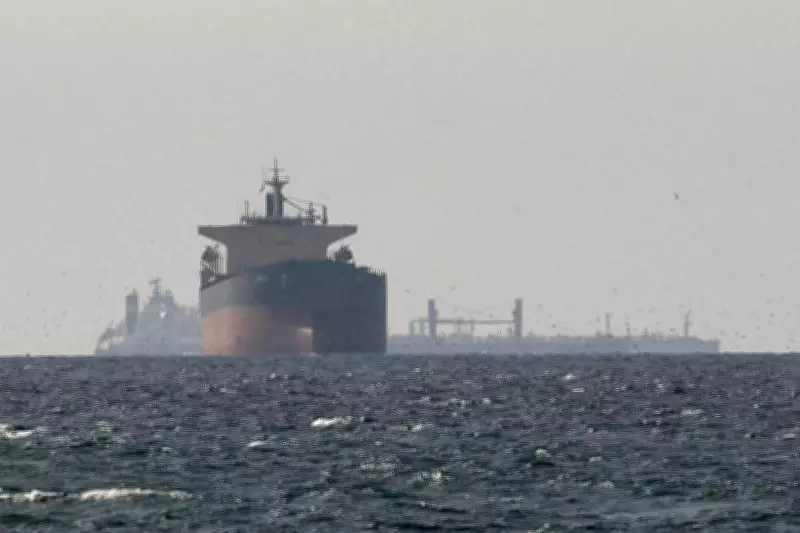
The Strait of Hormuz, a vital maritime passage that handles approximately one-fifth of the world's oil supplies, had been previously closed by Iran. This closure was enacted in retaliation for strikes conducted by the United States and Israel. In response, former President Donald Trump imposed a blockade on Iran's oil ports, escalating tensions in the region.
Coordinated Route and Global Implications
According to the announcement, the passage through the Strait will follow a coordinated route established by Iran's Ports and Maritime Organisation. This move is expected to facilitate smoother navigation and reduce risks for international shipping. The reopening is seen as a critical step in easing the geopolitical strain that has affected global oil markets and supply chains.

In reaction to the news, Donald Trump posted on Truth Social, stating, "Iran has just announced that the strait of Iran is fully open and ready for full passage. Thank you!" His comments highlight the political dimensions of the situation, reflecting ongoing diplomatic exchanges between the nations involved.
International Response and Diplomatic Efforts
Sir Keir Starmer, co-hosting a meeting in Paris with world leaders including French President Emmanuel Macron, has emphasized the global responsibility associated with the Strait's reopening. The discussions in Paris aim to address the broader implications for international security and economic stability, underscoring the need for coordinated efforts among nations.
The ceasefire in Lebanon provides a temporary window for this diplomatic maneuvering, with Iran leveraging the opportunity to signal a willingness to engage in de-escalation. However, analysts caution that the long-term stability of the region remains uncertain, given the history of conflicts and retaliatory actions.
Impact on Oil Markets and Future Outlook
The full opening of the Strait of Hormuz is anticipated to have immediate effects on global oil prices and supply logistics. With the passage now accessible, shipping companies can resume normal operations, potentially alleviating some of the pressures that have built up during the closure period. Nonetheless, ongoing vigilance is required as geopolitical dynamics continue to evolve.
This development marks a pivotal moment in the Iran-US war narrative, with Tehran's announcement being closely monitored by international observers. The situation underscores the interconnectedness of global politics, energy security, and maritime trade, highlighting the need for sustained dialogue and conflict resolution mechanisms.