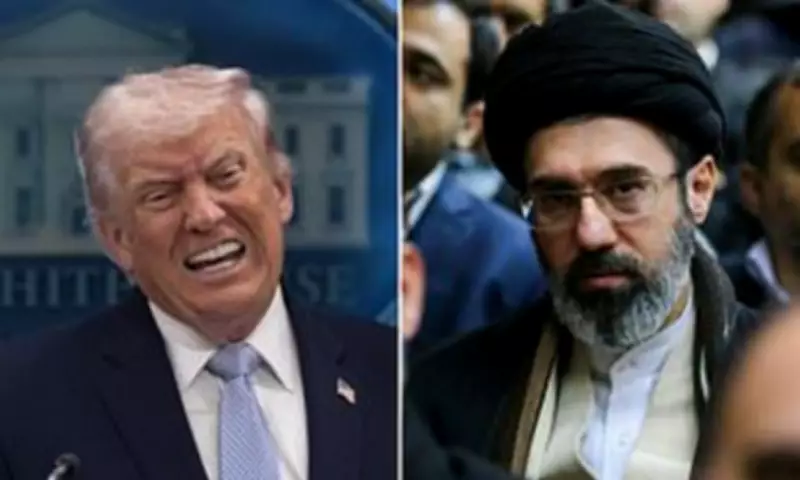
Iran's Nuclear Ambitions Endure as Strikes Fail to Deliver Knockout Blow
Iran's nuclear program has demonstrated remarkable resilience in the face of repeated military strikes by the United States and Israel, with experts warning that Tehran retains the capability to produce nuclear bombs. This persistent threat has emerged as a central issue in international diplomacy, particularly following the collapse of emergency talks in Islamabad.
Diplomatic Stalemate Over Nuclear Program
Vice President JD Vance has identified Iran's nuclear ambitions as the critical flashpoint behind the breakdown of 21-hour emergency negotiations in Pakistan. Addressing the diplomatic impasse on Sunday, Vance pointed to Tehran's atomic program as the core dispute that prevented agreement between the negotiating parties.
'The simple fact is that we need to see an affirmative commitment that they will not seek a nuclear weapon and that they will not seek the tools that would enable them to quickly achieve a nuclear weapon,' Vance stated emphatically.

Military Strikes Fail to Neutralize Nuclear Infrastructure
Despite two intensive rounds of military action aimed at dismantling Iran's nuclear infrastructure, US and Israeli officials confront a sobering reality: their strikes have failed to deliver a decisive knockout blow. While recent precision raids successfully destroyed:
- Research laboratories
- Warhead development facilities
- A key site used to produce 'yellowcake' uranium
Experts warn that the heart of Iran's nuclear program remains operational and largely intact.
Iran's Hidden Nuclear Capabilities
Intelligence assessments suggest Iran likely retains:
- Functional centrifuges for uranium enrichment
- A fortified underground enrichment site designed to withstand aerial bombardment
- A substantial stockpile of near-weapons-grade uranium
Most critically, the UN's atomic watchdog has confirmed that Tehran maintains approximately 1,000 pounds of near-weapons-grade uranium, with half reportedly concealed in caskets deep within a tunnel network at the Isfahan nuclear facility.
Diplomatic Challenges and Military Considerations
Eric Brewer, a former White House official who worked on Iran policy during the first Trump administration, offered a sober assessment: 'Iran is not going to trade those away easily. Its demands are going to be higher than they were during talks in February for surrendering the material.'
President Trump reportedly considered a high-stakes military operation to seize Iran's enriched uranium stockpile during recent hostilities, though officials warned such a mission would be extraordinarily complex and dangerous.
Current Status and Future Prospects
White House Press Secretary Karoline Leavitt confirmed that removing Iran's highly enriched uranium remains the top priority for US negotiators. While the fissile material is currently being monitored via satellite with no signs of movement since last June, the diplomatic situation remains precarious.
With a two-week ceasefire currently in effect, it remains uncertain whether talks in Islamabad will resume or if either side will return to military conflict. The situation has created political complications domestically, with Republicans fearing electoral consequences as the US remains embroiled in a foreign conflict that President Trump had promised to avoid.
Strategic Implications and Regional Concerns
Any lasting diplomatic agreement must address not only the nuclear threat but also Tehran's strategic leverage over the Strait of Hormuz, a critical chokepoint that allows Iran to potentially 'squeeze the global economy.' During recent conflicts, military operations have targeted various aspects of Iran's nuclear and military infrastructure:

- Massive Ordnance Penetrator bombs against Fordow and Natanz enrichment sites
- Tomahawk missile strikes on the Isfahan complex
- Neutralization of Iran's missile stockpiles and launchers
- Targeting of research facilities, universities, and nuclear scientists
The Persistent Nuclear Challenge
Despite extensive bombardment, experts warn that Iran's nuclear heart may still be beating. Tehran likely retains its centrifuges and critical uranium stockpile, much of it hidden in fortified tunnel complexes that may be deep enough to withstand even the most powerful US bunker-busting weapons.
While Iran continues to maintain its program is for peaceful purposes, and previously offered to dilute its 60% enriched uranium to 20%, US officials view such moves with skepticism. The technical leap from current enrichment levels to weapons-grade material remains dangerously achievable.
Despite deep intelligence penetration by the US and Israel, the technical expertise required to mold fissile material into a functional warhead represents the final, invisible hurdle in Tehran's decades-long nuclear ambition. The international community now faces the challenge of addressing this persistent threat through either renewed diplomacy or continued military pressure.