Iran's Parliamentary Speaker Condemns Trump's Threats as Regional Crisis Intensifies
Iran's parliamentary speaker, Mohammad Baqer Qalibaf, has issued a strong condemnation of former US President Donald Trump's threats to target Iranian energy and transport infrastructure. Qalibaf accused Trump of being dangerously misled by Israeli Prime Minister Benjamin Netanyahu, warning that such actions could plunge the United States into a devastating situation and set the entire region ablaze.
Escalating Tensions and Military Actions
In a post on social media platform X, Qalibaf stated, "Your reckless moves are dragging the United States into a living HELL for every single family, and our whole region is going to burn because you insist on following Netanyahu's commands." This came after Netanyahu suggested that Israel assisted the US in rescuing a downed airman in Iran, with the Israeli prime minister confirming he spoke to Trump to congratulate him on the mission.
Trump's own social media post on Truth Social used explicit language, demanding Iran open the Strait of Hormuz or face severe consequences. Despite ongoing US-Israeli military pressure, Iran demonstrated its continued capability by expanding attacks on Gulf energy infrastructure over the weekend. Drone and missile strikes targeted petrochemical facilities in Kuwait, Bahrain, and the United Arab Emirates, with the Revolutionary Guards also claiming an attack on an Israeli-linked vessel at Dubai's Jebel Ali port.

Political Fallout and Economic Impact
The situation has sparked sharp rebukes within US politics. Republican figure Marjorie Taylor Greene called for intervention against what she termed Trump's "madness," while top Senate Democrat Chuck Schumer criticized the former president's social media rhetoric as "ranting like an unhinged madman." Schumer emphasized that such threats risk alienating allies and could lead to war crimes.
Economically, crude oil prices surged at the market opening on Monday following Trump's threats. West Texas Intermediate rose by 1.86% to $113.62 a barrel, and North Sea Brent crude increased by 1.16% to $110.30 a barrel, reflecting heightened market anxiety over regional stability and energy supply disruptions.
Humanitarian and Military Developments
In other key developments, the US successfully rescued a second crew member from a downed F-15E fighter jet in south-west Iran, ending a two-day search operation. Trump reported the crew member was "seriously wounded" but safe, with the mission allegedly aided by CIA subterfuge. However, at least five people were killed in US-Israeli attacks during these rescue operations in south-west Iran.
Israeli media reported that rescuers recovered two bodies after an Iranian ballistic missile struck a residential building in Haifa, with efforts ongoing to locate two missing individuals. Meanwhile, Lebanon's health ministry stated that Israeli attacks on Sunday killed at least 15 people, including five in a strike in Beirut's Jnah neighbourhood that wounded 52 others. Israel's military chief visited troops in southern Lebanon, pledging to intensify strikes against Hezbollah.
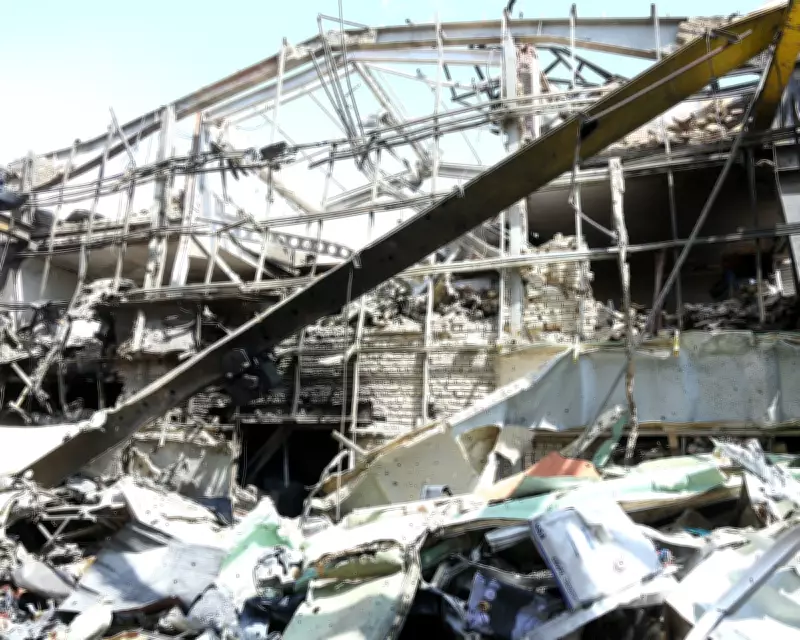
The crisis has also impacted Gulf infrastructure, with Kuwait Petroleum Corporation reporting fires and significant material losses from Iranian drone attacks, and Bahrain documenting damage from falling debris of intercepted drones. Video footage showed thick black smoke rising from a petrochemical complex in Bahrain after Iran claimed a strike, underscoring the widespread regional fallout.