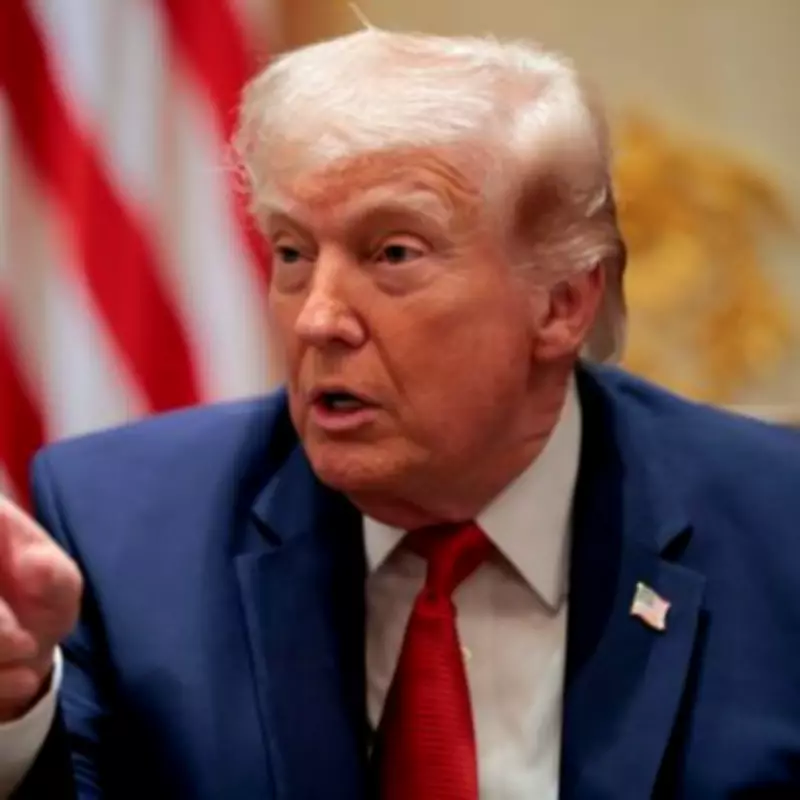
Iran Ceasefire Plan in Tatters as Trump Threatens to 'Blow Up Entire Country'
Iran has reportedly rejected calls for a temporary ceasefire to reopen the strategically vital Strait of Hormuz, according to a senior Iranian official. This development comes after former US President Donald Trump set a 10-day deadline for Iran to open the key waterway, threatening severe consequences if the ultimatum was ignored.
Trump's Ultimatum and Threats
Donald Trump issued the deadline on March 26, demanding that Iran reopen the Strait of Hormuz within 10 days. He warned that failure to comply would result in the US raining down "hell" on Iran and even threatened to "blow up the entire country." The deadline was due to expire on Monday, April 6, 2026, intensifying geopolitical tensions in the region.
Iran's Defiant Response
In response, Iran has firmly rejected the proposed temporary ceasefire, which was intended as a condition for reopening the strait. The rejection underscores Iran's resistance to external pressures and its commitment to maintaining control over this critical maritime chokepoint. The Strait of Hormuz is essential for global oil shipments, and its closure has significant implications for international trade and energy markets.

Geopolitical Implications
The collapse of the ceasefire plan raises concerns about escalating conflicts in the Middle East. Trump's aggressive rhetoric and Iran's defiance highlight the fragile state of US-Iran relations, with potential ramifications for regional stability and global security. Analysts warn that such threats could lead to heightened military posturing and further diplomatic breakdowns.
Background on the Strait of Hormuz
The Strait of Hormuz is a narrow waterway connecting the Persian Gulf to the Gulf of Oman and the Arabian Sea. It is a crucial transit route for approximately one-fifth of the world's oil supply, making it a focal point of international economic and strategic interest. Previous tensions have seen Iran threaten to close the strait in response to sanctions or military actions, underscoring its leverage in geopolitical disputes.
Future Outlook
With the ceasefire plan now in tatters, the situation remains volatile. Observers are closely monitoring for any further developments, including potential military escalations or diplomatic interventions. The rejection by Iran signals a hardening of positions, suggesting that resolving this standoff may require more nuanced negotiations or international mediation to prevent broader conflict.