India Considers Deploying Crocodiles and Venomous Snakes on Bangladesh Border
India May Use Crocodiles and Snakes on Bangladesh Border

India Explores Unconventional Reptile Deployment on Bangladesh Border

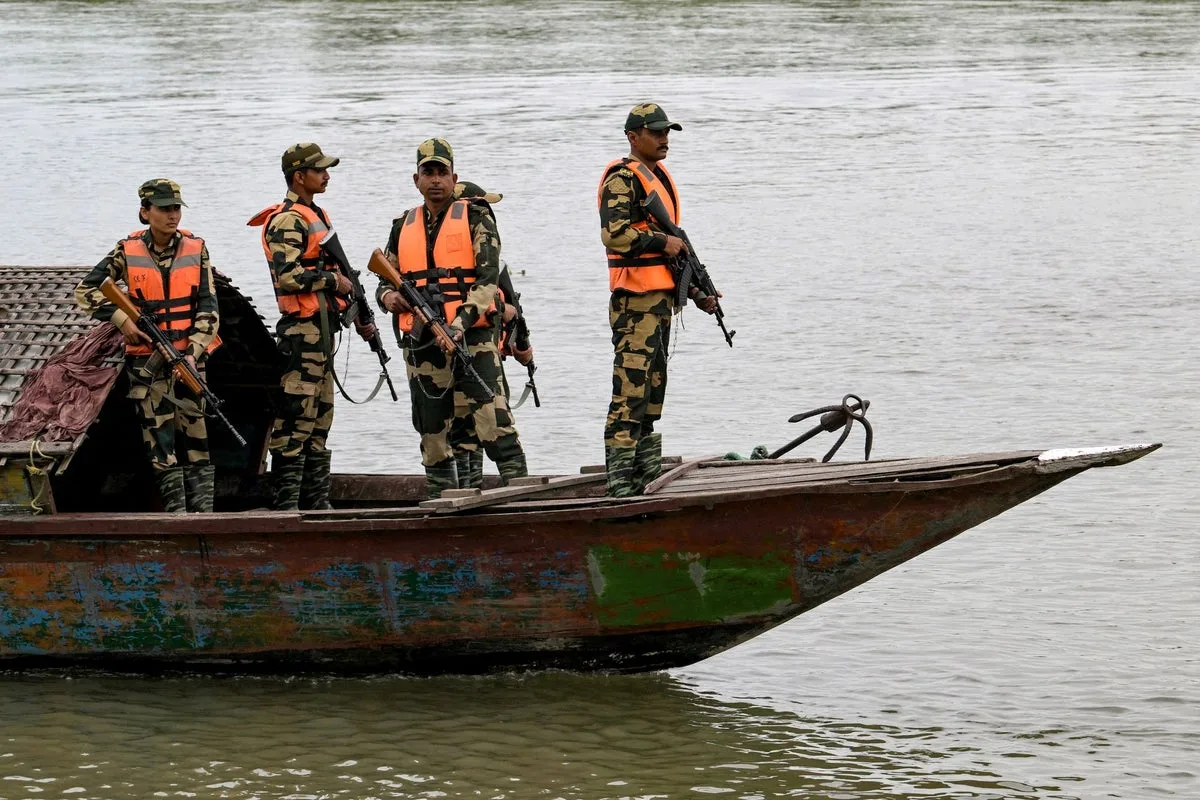
In a highly unusual border security proposal, Indian authorities are reportedly considering the release of crocodiles and venomous snakes along sections of its eastern frontier with Bangladesh. This radical measure is being evaluated as an alternative to constructing physical barriers in challenging marshy and riverine terrain.

The Challenge of Securing a 4,096-Kilometer Frontier

India shares an extensive 4,096-kilometer border with Bangladesh, much of which traverses difficult wetland environments. While Prime Minister Narendra Modi's nationalist government has dedicated substantial resources to fencing this boundary, approximately 20 percent remains unfenced. Of the 850 kilometers without barriers, around 175 kilometers are deemed unsuitable for conventional fencing due to persistent flooding risks and marshy conditions.

According to local media reports, the idea of deploying dangerous reptiles into these riverine border zones has emerged in internal Border Security Force (BSF) discussions and memoranda. An official internal memo dated 26 March was reportedly circulated from BSF headquarters to field units along the Bangladesh border, requesting assessment of this potential operational measure for areas where physical barriers prove impractical.

Wide Pickt banner — collaborative shopping lists app for Telegram, phone mockup with grocery list

Political Context and Implementation Challenges

The memo allegedly stated that using reptiles aligns with directions from Home Minister Amit Shah, a key Modi ally who has spearheaded immigration crackdowns in India's eastern states. The unfenced border sections in question are primarily located in West Bengal, Assam, Meghalaya, Tripura, and Mizoram—regions where cross-border migration has become a politically charged issue.

Human rights organizations have repeatedly expressed concern about the ruling party's populist rhetoric against immigrants from Muslim-majority Bangladesh, warning that minority communities in border areas have been adversely affected. The reptile proposal was first reported by Northeast News, which indicated discussions began on 9 February during a meeting chaired by BSF Director-General Praveen Kumar.

Sector commanders received instructions to evaluate the feasibility from an operational perspective and report back by specified deadlines. Units were also asked to identify "dark or no-signal areas" requiring additional security measures. However, BSF officers have reportedly raised multiple concerns about the proposal, including potential risks to local border communities and practical implementation difficulties.

Broader Border Security Strategy

While the reptile release concept appears unconventional, it emerges within a context of expanded Indian border management approaches. The government has invested in various technological solutions, including drone deployments and infrared or night-vision camera systems. The Modi administration has maintained a stringent stance on illegal migration, particularly targeting undocumented Bangladeshis and Rohingya Muslims.

Numerous reports allege deportations without due legal process, with some individuals claiming they were blindfolded and abandoned in jungles to walk to Bangladesh. Rights groups assert that thousands of Indian Bengali-speaking Muslims have been detained or forcibly sent to Bangladesh as part of anti-immigration operations. They accuse the ruling BJP of employing national security and anti-terrorism legislation to discriminate against India's Muslim minority.

BJP leaders at both state and national levels have frequently characterized migrants as "infiltrators" from Bangladesh who threaten India's identity and the demographic balance of the Hindu-majority nation. This political framing has intensified security measures along the eastern frontier, with the reptile proposal representing one of the most controversial options under consideration.

Pickt after-article banner — collaborative shopping lists app with family illustration




