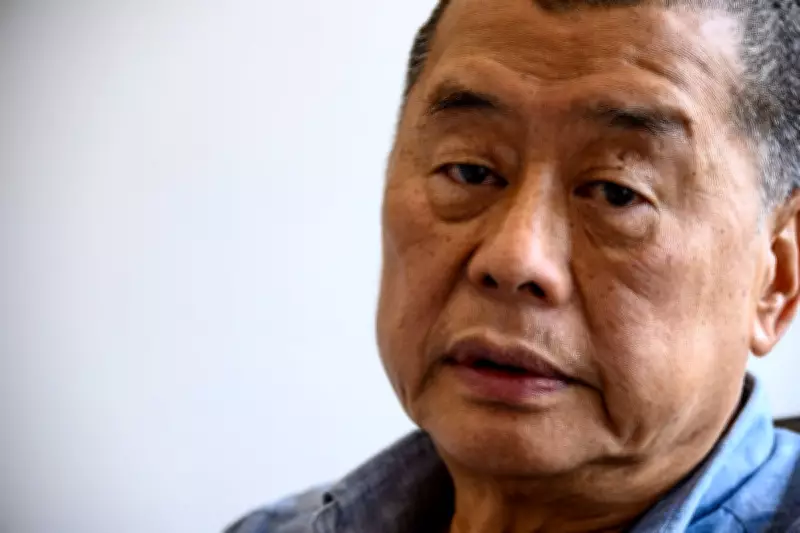
Hong Kong's authorities have initiated legal proceedings to seize approximately $16 million in assets belonging to the imprisoned media tycoon Jimmy Lai. This move comes in the wake of Lai's recent sentencing to 20 years in prison on charges related to national security violations.
Legal Action Against Jimmy Lai
The asset seizure targets properties and financial holdings linked to Lai, a prominent pro-democracy figure and founder of the now-defunct Apple Daily newspaper. Hong Kong officials assert that the confiscation is part of broader efforts to enforce national security laws, which have been tightened since 2020. Legal experts indicate that such seizures are intended to dismantle the financial networks of individuals deemed threats to state security.
Family Concerns and International Reactions
In a poignant development, Jimmy Lai's son has publicly voiced his distress, fearing he may never see his father again due to the lengthy prison term. This sentiment echoes concerns among human rights groups and foreign governments, who have criticized Hong Kong's judicial actions as politically motivated. The case has drawn international attention, with calls for Lai's release and scrutiny of Hong Kong's legal autonomy under Chinese rule.

Broader Context and Implications
The asset seizure is seen as a significant escalation in Hong Kong's crackdown on dissent, following a series of high-profile arrests under the national security law. Analysts suggest this could deter other activists and impact Hong Kong's reputation as a global financial hub. Meanwhile, Lai's supporters continue to advocate for his freedom, highlighting issues of press freedom and judicial independence in the region.
This development underscores the ongoing tensions between Hong Kong's legal framework and international human rights standards, with potential repercussions for diplomatic relations and economic stability in the area.