Experts Declare Global War Has Already Commenced Following Iran Strikes
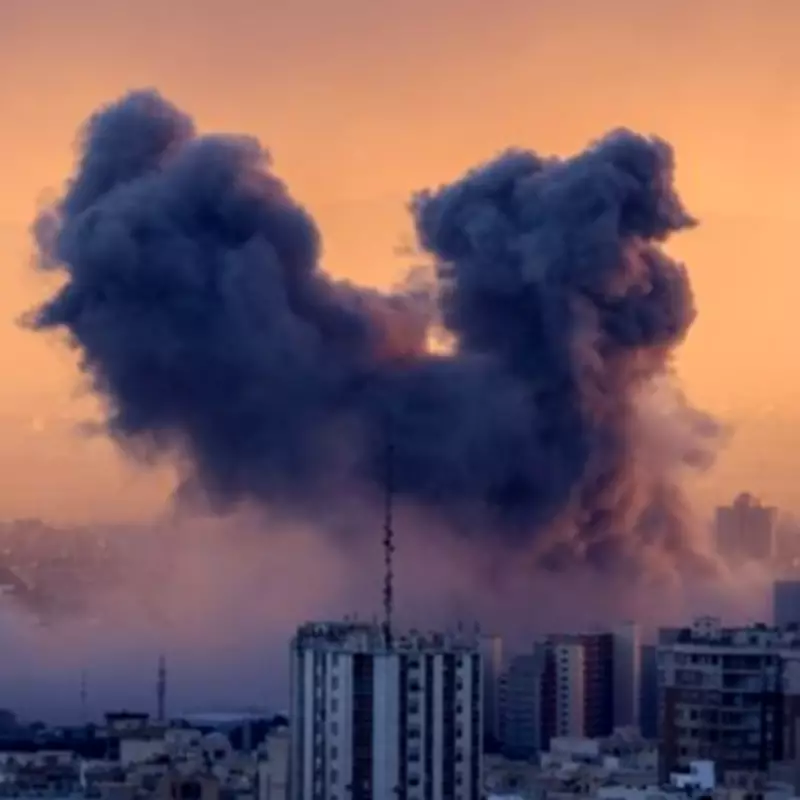
In the wake of widespread strikes on Iran by the United States and Israel on February 28, 2026, which targeted missile infrastructure, military sites, and leadership—resulting in the death of Supreme Leader Ayatollah Ali Khamenei—experts are now asserting that a global war has already begun. Despite the UK not being directly involved, escalating conflicts in Ukraine, Israel-Palestine, and the Middle East have raised fears of worldwide violence spreading.
Wars of Choice as a Precursor to Global Conflict
Acclaimed British historian Professor Anthony Glees highlights that the attack on Iran represents a "war of choice," a critical factor historically linked to sparking world wars. He explains that both World War I and World War II were initiated through such choices, with the latter becoming truly global after Japan attacked Pearl Harbor and Hitler declared war on America.
Professor Glees questions the legality of the US-Israel strikes, noting the distinction between a lawful pre-emptive strike, which requires evidence of an imminent attack, and a war of prevention. He emphasizes that this mindset disregards international law, prioritizing might over legal frameworks.

Leadership Mentalities and Escalating Risks
The mentality of leaders driving these conflicts is another significant sign. Professor Glees points to figures like US President Donald Trump and Israeli Prime Minister Benjamin Netanyahu, who, while not desiring a world war, risk triggering one by initiating wars of choice. He warns that such actions encourage other ambitious leaders, such as Vladimir Putin in Europe, Xi Jinping regarding Taiwan, and Kim Jong-un in Southeast Asia, to pursue their own territorial goals.
Concerns about President Trump's health and decision-making are also raised, with suggestions of dementia affecting his judgment. Professor Glees notes Trump's unpredictability and alignment with adversaries like Putin, contrasting this with his past rhetoric on peace and avoidance of forever wars.
Continuation of Violence and Broader Implications
The final sign identified is the commitment to ongoing violence when cessation is possible. Professor Glees argues that Trump has the power to halt the fighting by declaring victory but is likely influenced by Netanyahu's belief in prolonged conflicts as a means to retain power. This risks escalating deaths and drawing in more nations, potentially leading to a conventional war that gains momentum globally.
In response, Professor Glees advocates for bolstering the UK's arms industry and expanding armed forces recruitment. He contrasts Trump with UK Prime Minister Keir Starmer, whom he describes as cautious and lawful, though struggling to counter megalomaniacal leaders. Starmer initially condemned the Iran strikes as unlawful, maintaining UK non-support unless directly attacked, as seen in Cyprus.
With Iran retaliating against Israel and US-allied Gulf states, including non-military targets, and no signs of abatement, the situation underscores the potential for this conflict to evolve into a full-scale world war. The combination of wars of choice, dangerous leadership mentalities, and escalating violence paints a grim picture of global instability already in motion.