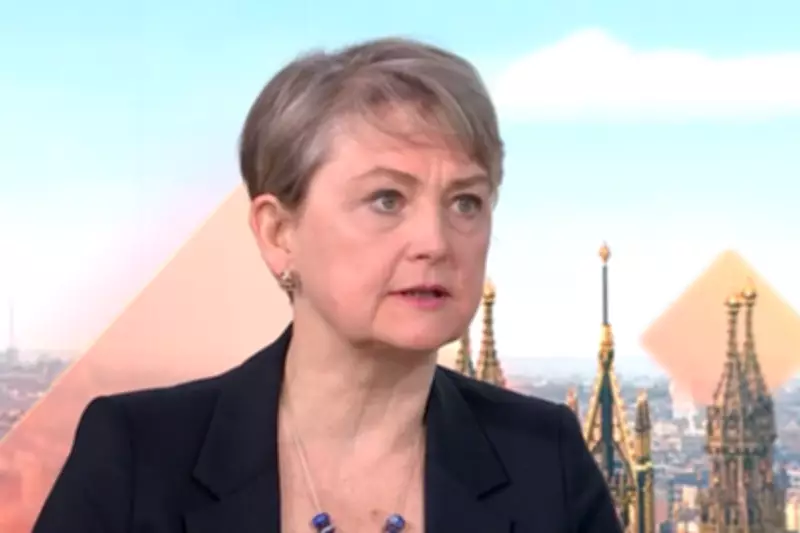
Foreign Secretary Cooper Highlights Challenges in Reopening Strait of Hormuz
Foreign Secretary Yvette Cooper has publicly acknowledged that "a lot of work needs to be done" to successfully reopen the strategically crucial Strait of Hormuz, a key global shipping artery currently blockaded by Iran. Speaking on Thursday, Cooper emphasised that Iran must not be permitted to impose tolls on this international transit route, warning that "no country should be able to hijack" such vital maritime passages.
Ceasefire Under Strain as Diplomatic Efforts Intensify
The comments come amid growing concerns over a fragile two-week ceasefire agreement between the United States and Iran, which appears increasingly unstable. Cooper stated the UK government's primary objective is to prevent a resumption of hostilities between Tehran and Washington, while crucially seeking the reopening of the Strait of Hormuz to restore normal global energy flows.
Approximately 20 percent of the world's oil and gas shipments traditionally pass through this narrow waterway, and Iran's blockade in retaliation for US attacks has sent energy prices soaring worldwide. Previously treated as international waters, Iran now asserts its intention to charge fees for passage, a move Cooper and Gulf partners have firmly rejected.

Deep Concern Over Escalating Lebanon Conflict
Simultaneously, Cooper expressed being "deeply troubled" by Israel's continuing military strikes on Lebanon, which have resulted in hundreds of casualties according to Lebanese authorities. She urged for the ceasefire agreement to be extended to encompass Lebanon, highlighting the "huge mass displacement of people" and severe humanitarian consequences.
Confusion surrounds the ceasefire's scope, with Iran and Pakistan claiming it includes Lebanon, while Israeli Prime Minister Benjamin Netanyahu and the White House maintain it does not. This diplomatic ambiguity coincides with Prime Minister Sir Keir Starmer's visit to Gulf allies, including the UAE, as part of regional efforts to stabilise the situation.
International Maritime Coordination and US Relations
Cooper revealed plans to meet with the International Maritime Organisation regarding proposals to initiate limited shipping movements through the strait. She cited Gulf partners' unanimous opposition to Iranian tolls, describing their position as a "hard no" due to the damaging implications for international shipping.
Despite criticising former US President Donald Trump's "escalatory rhetoric" and threats to restart attacks against Iran, Cooper affirmed the UK's commitment to maintaining a "really important relationship" with the United States. She acknowledged areas of disagreement while emphasising continued cooperation on multiple fronts, even as Trump has repeatedly criticised Starmer's government.
The situation remains fluid, with Cooper's admissions highlighting the complex diplomatic and logistical challenges facing international efforts to restore stability to this critical region and its vital shipping lanes.