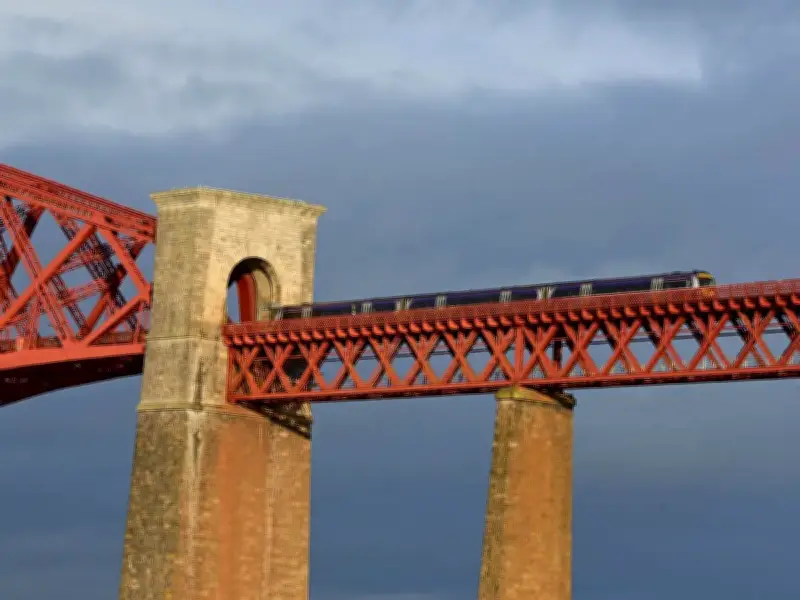
MSPs have been warned that the SNP Government's £2 cap on bus fares could cost the publicly-owned rail network as much as £20m a year in lost revenues, as passengers switch from trains to cheaper bus services.
The policy, already in place across the Highlands and Greater Glasgow, has "punched a significant hole" in ScotRail's budget, according to figures presented to MSPs.
Pilot losses and potential expansion
ScotRail managing director Joanne Maguire revealed that the northern pilot had already cost the operator an estimated £750,000 in lost revenue in one year – about 12 per cent. That figure could rise to £20m if the same impact was felt across the Strathclyde area.
Maguire also said there had been no discussions with the Scottish Government about an increase in funding for ScotRail.
Bus networks outside of Edinburgh are all privately operated but run to timetables and fare systems set by local authorities.
Political reactions
Paul Shaw, of the Get Glasgow Moving campaign, said the fare cap was taking "money directly from a public operator and giving it straight to McGills, First and Stagecoach. This is why franchising was needed first to regulate the fares."
David Green, Lib Dem MSP for Caithness, Sutherland and Ross, said: "The £2 fare cap is making a real difference to people across the Far North who rely on the bus, and I want to see it succeed.
"But our railway and our buses should be working together to offer more choice, more connected services for passengers not forcing them into a race to the bottom.
"These figures suggest that the SNP's policy decisions have punched a significant hole in ScotRail's budget. If the policy were expanded to other areas, that blackhole could deepen."
Green added: "I'm worried that if these consequences are not properly addressed ScotRail will start to contemplate service cuts. That would be the worst of all worlds for my constituents who rely on already infrequent public transport."
Union concerns and government response
ASLEF, which represents train drivers, said it had welcomed the bus fare cap but had "concerns" about how it would impact the rail industry.
Kevin Lindsay, the union's Scottish organiser, said: "Addressing this requires an integrated ticketing system and lower fares for both train and bus travel.
"ASLEF has consistently said that linking public transport ticketing and making travel integrated and affordable would benefit the travelling public, the wider economy and meeting our climate targets by encouraging people to switch from cars to trains and buses.
"Focusing only on a £2 cap on bus fares is an unbalanced and narrow approach that will have unintended consequences. Not least because this policy is also laced with a large dose of corporate welfare given so many bus companies are privately owned.
"This raises concerns that using the taxpayer supplement could be abused to enhance the profiteering of private owners, detrimentally impacting the publicly owned ScotRail.
"The Scottish Government should review this policy as a matter of urgency, protect our publicly owned train company, integrate ticketing, and reduce fares for both train and bus travel."
A spokesman for Transport Scotland said the Government expects "travel patterns to evolve" and will monitor any changes.
"The Scottish Government wants more people to travel by public transport," the spokesman said. "The £2 bus fare cap is one of a number of measures supporting households with the cost of living.
"These also include the permanent removal of ScotRail peak rail fares and continuing to provide free bus travel for under-22s, over-60s and disabled people.
"As with any significant change to fares, we expect travel patterns to evolve and we are monitoring impacts across the transport network, including on rail services."