Pupils Reject School Food Cuts: 'No Cheeseburgers Would Bankrupt Us'
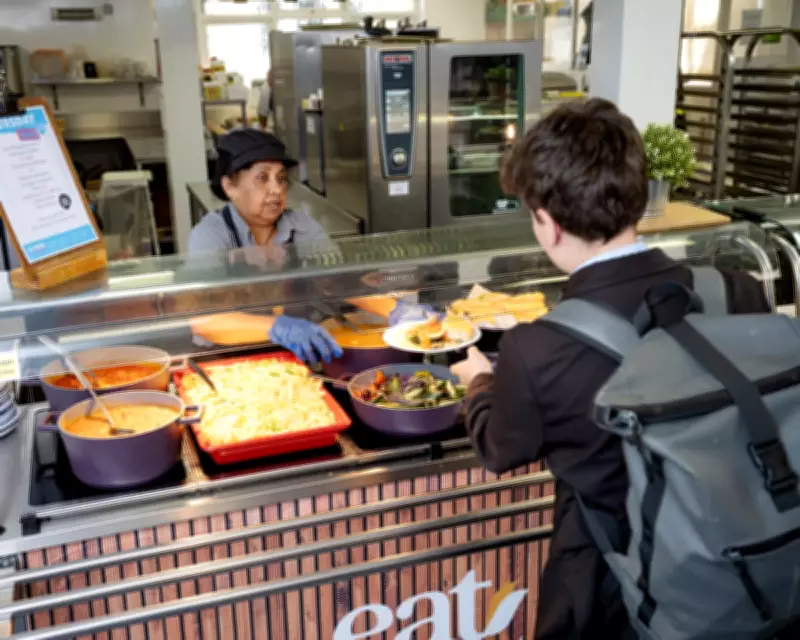
At Richard Challoner school in New Malden, south-west London, the lunchtime rush is a familiar scene. As year 7 boys stream into the canteen, the air fills with the aroma of sausages, mashed potato, and roasted vegetables. The menu offers a variety of options, from Cumberland pork sausages to vegetarian Glamorgan sausages, alongside pasta dishes and jacket potatoes. However, it's the 'grab and go' items like cheeseburgers, sausage baps, and pepperoni paninis that draw the most attention from students.
Under new government proposals, these high-fat, high-sugar options could disappear from school menus entirely. The plan, aimed at reducing childhood obesity rates, has been welcomed by chefs and campaigners such as Jamie Oliver and former food tsar Henry Dimbleby. It seeks to replace unhealthy foods with more fruits, vegetables, and wholegrains, banning deep-fried items and limiting sugary desserts to a few days a week.
Headteacher Criticises 'Nanny State' Approach
Sean Maher, the headmaster of Richard Challoner, expresses frustration with the government's intervention. 'I find that so nanny state-ish,' he says. 'Of course, we want to provide healthy and nutritious meals, but denying a 12-year-old a chocolate brownie after a main meal seems excessive. Students deserve a little treat, and we must also ensure our catering services remain financially viable.'

The school recently switched to a catering firm called Accent after rising costs made in-house catering unsustainable. Head chef Daniel Roche, who starts work at 6am daily, emphasises the economic challenges. 'If I stopped offering popular items like cheeseburgers and cakes, we would be crippled as a business,' he explains. 'I love seeing the pupils' happy faces, but we need to balance health with practicality.'
Student Reactions: Disappointment and Concerns
Year 7 students at Richard Challoner enjoy the current variety. Daniel, aged 12, enjoys pizza and flapjack, noting that while not the healthiest, they are tasty. He admits he would be disappointed if pizza were removed but acknowledges other good options exist. Theo, also 12, opts for sausage and mash with a chocolate cupcake, calling the proposed sugar cuts 'a bit unfair' but appreciating the health intent.
Trivin, aged 11, is a fan of cheeseburgers, his favourite item. He warns that removing such foods could lead to bankruptcy for the school, saying, 'I think people would get angry about that.' Older students like Fraser, 16, and Ethan, 15, share similar sentiments, with Fraser expressing disappointment over potential pizza removal and Ethan arguing that sweet treats provide short-term energy for the school day.
Romelle, aged 16, values the balance in current meals. 'Sweet treats bring a bit of excitement, especially for younger students,' he says. 'It's about keeping a balance between nutrition and enjoyment.' The government's consultation on these changes is ongoing, but at Richard Challoner, the consensus is clear: pupils and staff alike advocate for a sensible approach that doesn't sacrifice taste or financial stability in the pursuit of health.