US Troops in Iran War Face Food Shortages as Mail Deliveries Halt
US Troops in Iran War Face Food Shortages, Mail Halted

US Troops in Iran War Endure Severe Food Shortages and Mail Disruptions

American military personnel deployed to the Middle East during the ongoing Iran war are facing critical food shortages, forcing many to ration their already meager meals and endure persistent hunger, according to a recent investigative report. The situation has been exacerbated by the suspension of United States Postal Service deliveries to the region, leaving care packages from concerned families stranded and undelivered.

Morale Hits Record Low Amidst Scarcity

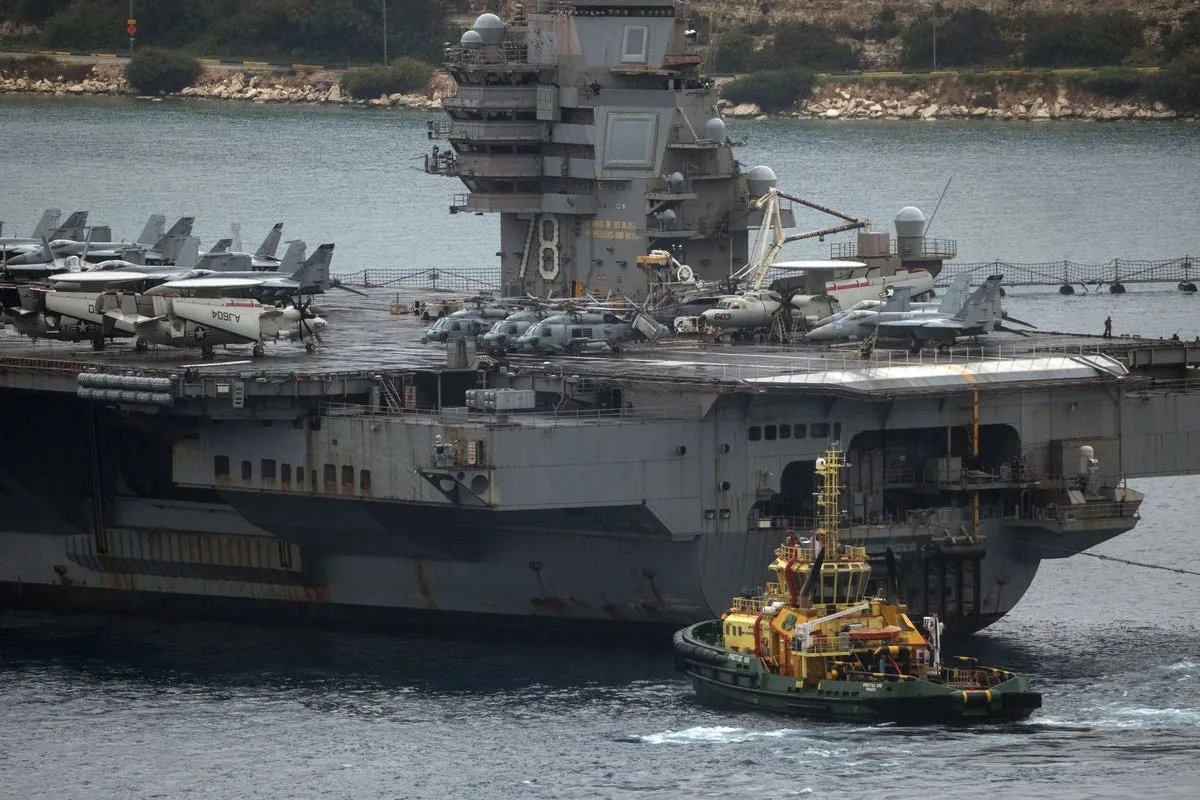
More than 50,000 U.S. service members are currently stationed across the Middle East, including thousands of Marines and sailors aboard warships such as the USS Tripoli and USS Abraham Lincoln, which have been patrolling the Strait of Hormuz. Multiple vessels have not made port since hostilities erupted in late February, severely limiting supply chains.

A Navy sailor aboard the USS Tripoli texted his mother last month, warning that "[Supplies] are going to get really low" and predicting that "Morale is going to be at an all-time low." This sentiment is echoed by family members who report that troops are "hungry all the time" due to insufficient and tasteless rations.

Wide Pickt banner — collaborative shopping lists app for Telegram, phone mockup with grocery list

Families Struggle to Send Support

In response to these dire conditions, relatives have spent significant amounts of money—in some cases over $2,000—assembling care packages filled with home-cooked meals, protein bars, Girl Scout cookies, and other essentials. However, these efforts have been thwarted by an indefinite suspension of mail deliveries to military ZIP codes in the region, implemented this month due to airspace closures and logistical challenges from the conflict.

An Army spokesperson confirmed the pause, stating it is "in effect until further notice" and that resumption depends on the reopening of airspace and stability in transportation networks. Steve Kochersperger, a Postal Service historian, noted that such disruptions are historically common during wartime, citing similar issues dating back to the Revolutionary War.

Contrasting Official Statements and Public Opinion

While President Donald Trump recently claimed the conflict is "going along swimmingly" and suggested it "should be ending pretty soon," the reality on the ground paints a grimmer picture. General Dan Caine, chairman of the Joint Chiefs of Staff, reported earlier this month that U.S. troops have consumed over six million meals and substantial amounts of coffee and energy drinks, but did not address the current shortages.

Multiple polls indicate that a majority of Americans oppose the war, which has resulted in thousands of casualties—including 13 U.S. service members—and driven up gas prices. The disconnect between official optimism and the troops' hardships has fueled frustration among veterans and families alike.

Personal Accounts Highlight Hardship

Dan F., a 63-year-old Marine veteran, became alarmed after his daughter, a Marine on the USS Tripoli, sent a photo of her meal: a small portion of meat and one tortilla on a mostly empty tray. He emphasized, "We have the strongest military in the world. You shouldn't be running out of food."

Similarly, Karen Erskine-Valentine, a pastor in West Virginia, expressed heartbreak upon learning that her son on the USS Abraham Lincoln is living on inadequate rations. She described the food as "tasteless and there's not nearly enough," adding that the constant hunger is demoralizing for service members.

Logistical Challenges and Future Uncertainty

The suspension of mail services has left packages like those from Dawn Penrod in Maryland sitting undelivered, with families holding onto them in hopes of future resolution. Hostilities were briefly paused after a two-week ceasefire was announced last Tuesday, and peace negotiations are underway, though no breakthrough has been achieved.

As the conflict continues, the combination of food scarcity and communication barriers threatens to further undermine troop morale, highlighting the broader logistical and human costs of the Iran war.

Pickt after-article banner — collaborative shopping lists app with family illustration




