US Deploys Reaper Drones to Nigeria Amid Escalating Security Crisis
The United States has officially deployed MQ-9 Reaper drones to Nigeria, a move confirmed by a U.S. defense official on Monday. This deployment comes as Nigeria grapples with a multifaceted and intensifying security crisis, particularly in its northern regions.
Strategic Deployment Following Troop Arrival
This drone deployment follows the arrival of approximately 200 U.S. troops in Nigeria last month. These personnel are stationed to provide critical training and intelligence support to Nigerian armed forces. The MQ-9 Reaper drones, renowned for their high-altitude capabilities and extended loitering endurance, represent a significant enhancement to these efforts.
The drones can operate at altitudes exceeding 40,000 feet and remain airborne for more than 30 hours. Historically, these unmanned aerial vehicles have been utilized by both the U.S. military and the CIA in various Middle Eastern theatres, including Afghanistan, Iraq, and Yemen.
Nigeria's Complex Security Landscape
Nigeria, Africa's most populous nation, faces a daunting array of security threats. The most prominent include:
- Boko Haram and its breakaway faction, the Islamic State West Africa Province (ISWAP), which is affiliated with the Islamic State group.
- The IS-linked militant group known as Lakurawa.
- Various 'bandit' groups that engage in kidnapping for ransom and illegal mining operations.
A spokesperson for U.S. Africa Command (AFRICOM) stated to The Associated Press that U.S. troops are "working alongside their Nigerian counterparts to provide intelligence support, advisory assistance, and targeted training."
Base of Operations and Operational Limits
Both the U.S. troops and the newly deployed MQ-9 drones are based at Bauchi Airfield, a recently constructed airport in northeastern Nigeria. The exact number of drones sent remains undisclosed. Each MQ-9 Reaper carries an approximate cost of $30 million and comes in variants designed for land and maritime operations.
While these drones possess strike capabilities, AFRICOM has explicitly stated their role in Nigeria will be strictly limited to intelligence-gathering and training missions. This deployment is part of a broader security partnership initiated after former U.S. President Donald Trump raised concerns about the targeting of Christians within Nigeria's security crisis.
Regional Context and Recent Violence
This move occurs against a backdrop of regional instability. The U.S. previously operated a major drone base in neighboring Niger, but it was shut down after the ruling military junta expelled American forces from the country.
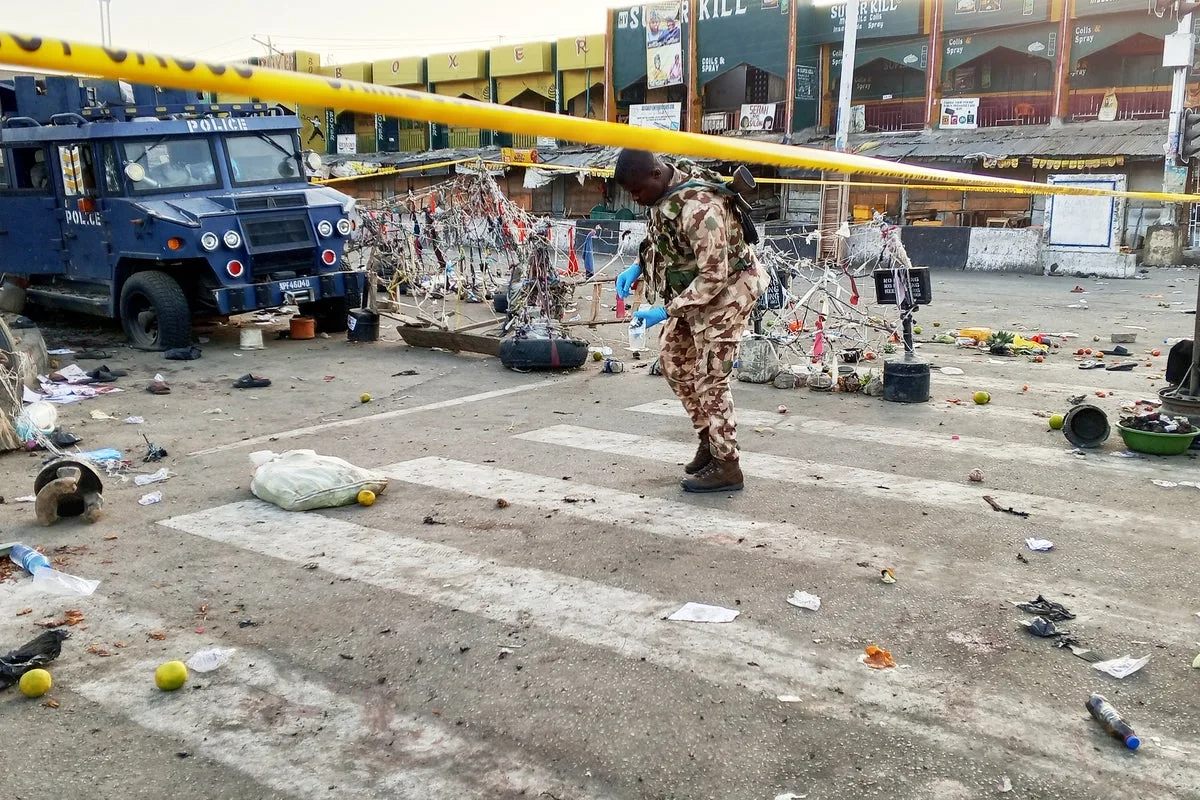
The security situation in Nigeria remains dire. Earlier this month, three suspected suicide bombings in Maiduguri, the capital of Borno state, killed at least 23 people and wounded 108 others. While no group claimed immediate responsibility, suspicion fell heavily on Boko Haram. This group launched its insurgency in northeastern Nigeria in 2009, aiming to enforce a radical interpretation of Sharia law.
The crisis has expanded recently, drawing in other militant factions from the neighboring Sahel region, such as Jama’at Nusrat al-Islam wal-Muslimin, which conducted its first attack on Nigerian soil last year.
Human Cost and Analytical Perspectives
The human toll of this prolonged conflict is staggering. United Nations data indicates that more than 40,000 people have been killed since the Boko Haram insurgency began. Security analysts consistently argue that the Nigerian government's efforts to protect its citizens have been insufficient in the face of such complex and widespread threats.
The introduction of U.S. Reaper drones, focused on surveillance and support, marks a significant, albeit non-combat, escalation in international assistance to Nigeria's beleaguered security forces.






