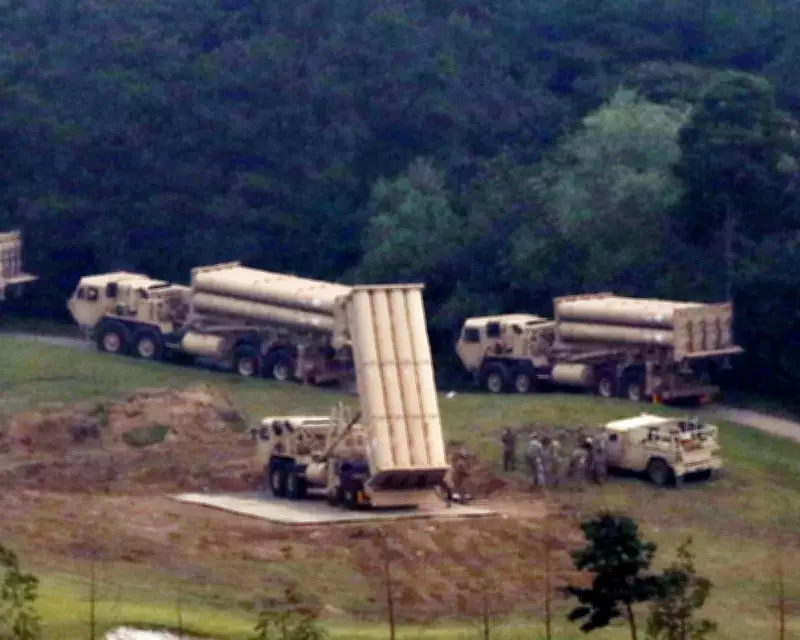
US to Shift THAAD Missile Defence Systems from South Korea to Middle East
The United States is set to redeploy its Terminal High Altitude Area Defence (THAAD) missile systems from South Korea to the Middle East, according to recent reports. This strategic move comes as tensions with Iran intensify, prompting a reassessment of global defence priorities. The decision marks a significant shift in US military posture in the Asia-Pacific region, with implications for regional security dynamics.
Seoul Confirms Redeployment Amid Escalating Threats
South Korean officials have confirmed the redeployment, stating that the move is part of a broader adjustment to address emerging threats in the Middle East. The THAAD systems, which have been stationed in South Korea since 2017, are designed to intercept short, medium, and intermediate-range ballistic missiles. Their relocation underscores the growing focus on countering Iranian missile capabilities, which have been a source of concern for US allies in the region.
Regional Security Implications

The redeployment is expected to impact South Korea's defence strategy, as the country has relied on THAAD systems to deter threats from North Korea. However, Seoul has emphasised that its own missile defence capabilities remain robust, with ongoing investments in indigenous systems. The move also reflects a broader US strategy to reallocate military assets in response to evolving global challenges, including conflicts in the Middle East.
Iran Tensions Drive Strategic Realignment
Escalating tensions with Iran have been a key driver behind the redeployment. Recent incidents, such as missile attacks on US bases and threats to shipping lanes, have heightened the need for enhanced missile defence in the Middle East. The US military views the THAAD systems as a critical asset to protect its forces and allies in the region, particularly as diplomatic efforts to curb Iran's nuclear programme face obstacles.
International Reactions and Future Outlook
The redeployment has drawn mixed reactions from international observers. Some analysts warn that reducing missile defence in South Korea could create vulnerabilities, while others argue it is a necessary step to address more immediate threats. Looking ahead, the US is likely to continue adjusting its military deployments based on intelligence assessments and geopolitical developments, with further shifts possible as global security landscapes evolve.