In a dramatic escalation of international tensions, United States military forces have successfully captured Venezuelan President Nicolas Maduro. The operation, described by former US President Donald Trump as a 'large scale' mission, has sent shockwaves through the global political landscape.
The Details of the Military Operation
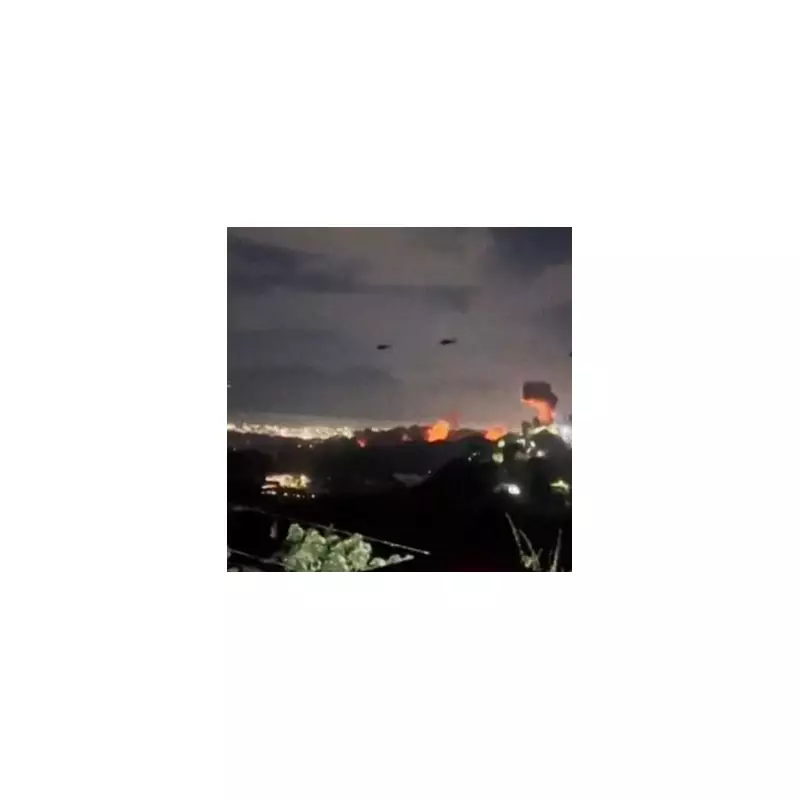
According to reports, the capture was executed by a combined force utilising helicopters and jets. The raid, which took place on Venezuelan soil, was hailed as a success by Trump, who has been a longstanding critic of the Maduro regime. The precise location and timing of the operation remain key points of interest as further details emerge.
Both Nicolas Maduro and his wife, Cilia Flores, were subsequently indicted at a federal court in New York. The nature of these charges is expected to be detailed in the coming days, marking a significant legal move against the Venezuelan leadership.

Immediate Reactions and Global Implications
The unprecedented military action represents one of the most direct interventions in South America by the US in recent decades. It raises immediate questions about sovereignty, international law, and the future of US-Venezuela relations.
Analysts suggest the move will likely provoke strong responses from nations aligned with Maduro's government and could lead to increased instability in the region. The operation underscores the Trump administration's hardline approach to regimes it considers adversarial.
What Happens Next?
The focus now shifts to the judicial process in New York and the political vacuum in Venezuela. The successful capture of a sitting head of state by foreign forces is a rare event with complex diplomatic and legal ramifications.
The situation continues to develop rapidly, with world leaders and international bodies expected to issue statements regarding the legality and consequences of the raid. The long-term impact on Venezuelan politics and its citizens remains profoundly uncertain.