US Warships Return to Strategic Strait as High-Stakes Iran Talks Commence
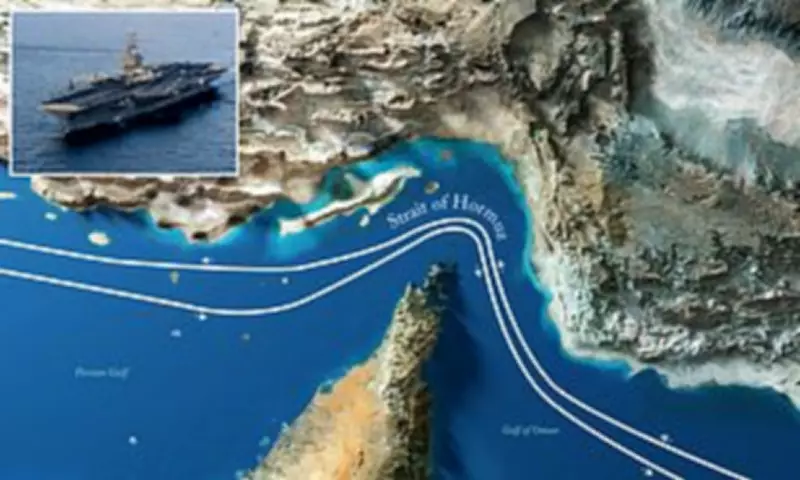
In a significant development marking the first such transit since hostilities with Iran erupted, two United States Navy destroyers have successfully passed through the strategically vital Strait of Hormuz. According to reports from The Wall Street Journal, the warships navigated the narrow waterway on Saturday without incident, ending a six-week hiatus in American naval presence there.
Freedom-of-Navigation Mission Amid Delicate Ceasefire
The destroyers were not escorting commercial vessels during their passage, with the Pentagon describing the operation as a standard freedom-of-navigation exercise. This transit occurs as President Donald Trump has explicitly demanded the reopening of the Strait as a fundamental component of the current fragile ceasefire agreement between Washington and Tehran.
The Iran conflict has seen Iranian forces effectively close the Strait of Hormuz, through which approximately twenty percent of global oil supplies are transported. This blockade has triggered substantial increases in energy prices worldwide and granted Iran considerable leverage in its negotiations with the United States.

Direct Negotiations Launch in Pakistan
The naval movement coincides with the commencement of face-to-face negotiations between American and Iranian officials in Pakistan. These direct talks began just days after the announcement of a precarious two-week ceasefire, with the White House confirming the bilateral nature of the discussions.
Iran's state-controlled news agency reported that three-party negotiations commenced after certain Iranian preconditions were satisfied. These included a reduction in Israeli military strikes targeting southern Lebanon. Preliminary meetings involved separate discussions between both US and Iranian officials with Pakistani Prime Minister Shehbaz Sharif, who is mediating the process.
Delegation Composition and Stakes
The United States delegation is being led by Vice President JD Vance, accompanied by Special Envoy Steve Witkoff and Jared Kushner, who serves as President Trump's son-in-law and senior advisor. The Iranian contingent is headed by Parliament Speaker Mohammad Bagher Qalibaf.
Discussions are focused on advancing the ceasefire agreement, which faces immediate threats from profound disagreements between the parties and ongoing Israeli attacks against Hezbollah militants in Lebanon. Hezbollah is designated as a terrorist organization by the US and receives substantial backing from Tehran.
Trump's Assertions and Global Context
When questioned about Iranian sincerity during these critical negotiations, President Trump provided an enigmatic but confident response on Saturday, stating, 'I'll let you know that in a very short period of time, won't take long.' The President has made bold claims regarding the conflict's military dimensions, asserting that US and allied forces have effectively eliminated Iran's naval and air capabilities, along with its senior leadership.
In social media statements, Trump criticized global allies, suggesting they lack the 'courage or will' to secure the Strait of Hormuz—a task he characterized the United States as performing as a 'favor' to the international community. He specifically mentioned the destruction of Iran's mine-laying vessels, minimizing remaining threats to shipping.
Iranian Demands and Regional Dynamics
Tehran's negotiating position includes several key demands: an immediate cessation of all attacks, financial compensation for previous strikes, guarantees against future hostilities, the withdrawal of US military forces from the region, and the lifting of longstanding economic sanctions.
French President Emmanuel Macron has emerged as an active diplomatic player, urging strict 'respect for the ceasefire and its application to Lebanon.' In coordination with Turkish President Recep Tayyip Erdogan, Macron emphasized the necessity of restoring free navigation through the Strait of Hormuz while advocating for a durable diplomatic resolution. France maintains particularly close historical ties with Lebanon, a former French protectorate.

Continued Violence Despite Ceasefire
Despite the announced pause in hostilities, violence has persisted along the Israel-Lebanon border. The Israeli military confirmed air strikes targeting Hezbollah infrastructure in Lebanon, with ground operations continuing in southern regions. Lebanese media reported at least three fatalities from Israeli strikes earlier on Saturday, though afternoon hours saw a reported lull.
Throughout Saturday, sirens warned Israeli border communities of ongoing drone and rocket attacks launched from Lebanese territory, though no injuries were reported. Israel has maintained its military campaign against Hezbollah despite Pakistan's mediation efforts and the ceasefire framework, which nominally includes Lebanon within its two-week pause provisions.
The simultaneous occurrence of the US naval transit and the inauguration of direct negotiations represents a pivotal moment in the conflict, testing both the durability of the ceasefire and the potential for substantive diplomatic progress between the United States and Iran.