US Naval Armada Gathers in Middle East as Iran Braces for Potential Conflict
A formidable United States naval strike force has assembled in the Middle Eastern theatre, creating a palpable atmosphere of military tension. The centrepiece of this deployment is the Nimitz-class aircraft carrier USS Abraham Lincoln, which is currently operating in waters off the coast of Oman, escorted by guided missile destroyers. This significant show of force has prompted Iran to place its armed forces on a state of high alert, anticipating a potential American offensive.
Regional Proxies Issue Stark Warnings
The escalating situation has drawn sharp reactions from Iran's network of allied militant groups across the region. Hezbollah in Lebanon and pro-Iranian militia factions in Iraq have issued explicit warnings, stating that any US attack on Tehran would be met with a declaration of war. These groups form a critical part of Iran's strategic influence, often referred to as the "Axis of Resistance", though this network has faced recent setbacks in conflicts such as the Gaza war.
Internal Unrest and a Communications Blackout
The external military pressure coincides with severe internal turmoil within Iran. The regime continues a harsh crackdown on widespread protests that began in late December, initially sparked by economic grievances including the plummeting value of the Iranian rial. A near-total communications blackout has been imposed across Iranian cities for over two weeks, severely hindering independent assessment of the situation.

Casualty figures from the unrest are heavily disputed. Opposition-affiliated sources, such as the US-based Human Rights Activists News Agency, claim the death toll could exceed 36,000, including protesters, security forces, and civilians. The Iranian government, however, officially reports a far lower figure of approximately 3,117 fatalities. Reports also suggest over 40,000 arrests have been made, with alarming allegations emerging about the possible use of chemical agents by security forces against demonstrators.
Military Preparations and Diplomatic Posturing
In preparation for a potential confrontation, the United States has bolstered its regional assets beyond the carrier group. Dozens of C-17 Globemaster transport aircraft have delivered suspected air defence and missile systems. Furthermore, advanced intelligence-gathering platforms, including RC-135 Rivet Joint and Signals Intelligence Stratolifter aircraft, have been deployed to monitor communications and enemy movements.
Despite the military build-up, US President Donald Trump has stated the presence of a "big armada next to Iran" while expressing a hope that Tehran desires to "make a deal". Conversely, Iranian officials have struck a defiant tone. Hamidreza Hajibabaei, Iran’s deputy parliamentary speaker, warned that any aggression would be met with a "decisive, immediate, and proportionate response" under international law.
Regional Security Implications and Broader Concerns
The crisis threatens to engulf the wider region. Israel has been placed on high alert for potential retaliatory strikes from Iran should conflict erupt. Analysts suggest that any US military action may have been temporarily delayed to allow Israel time to replenish its missile defence systems. There are also concerns that conflict could activate Iranian proxies like the Houthi rebels in Yemen, who have previously threatened Red Sea shipping lanes.
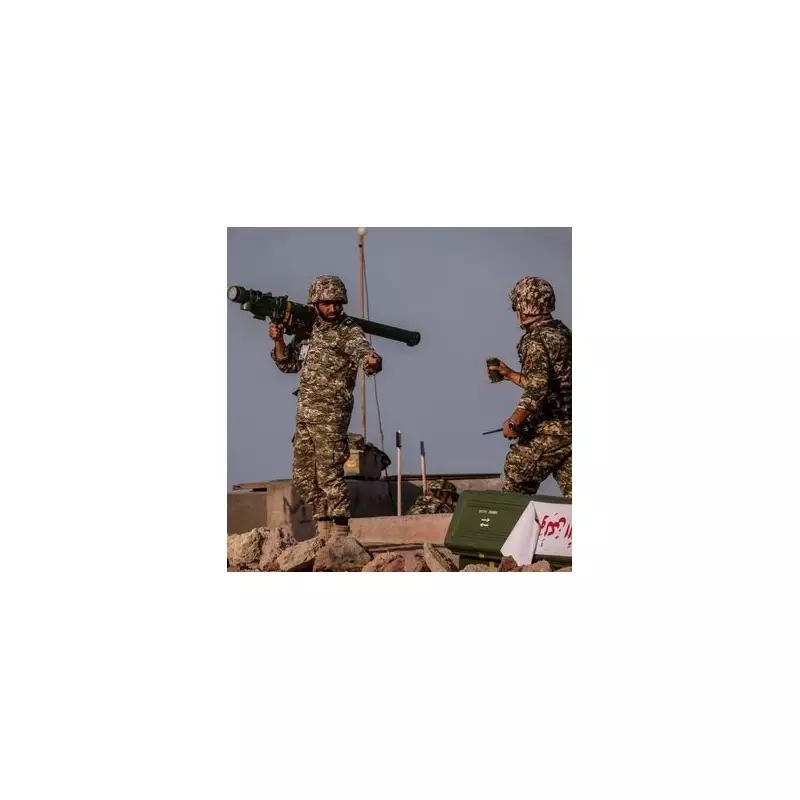
Adding another layer of complexity, reports indicate that Chinese cargo planes, potentially carrying additional defensive equipment, have landed in Tehran in recent days. Meanwhile, Iran's Supreme Leader, Ayatollah Khamenei, is reported to have relocated to secure underground bunkers, and the Islamic Revolutionary Guard Corps has repositioned ground-to-air defences around urban centres.

The convergence of a major US military deployment, severe internal repression in Iran, and the volatile posture of regional actors creates a highly unstable situation. The international community watches closely as diplomatic statements clash with tangible preparations for war, with the risk of a broader regional conflict looming ever larger.