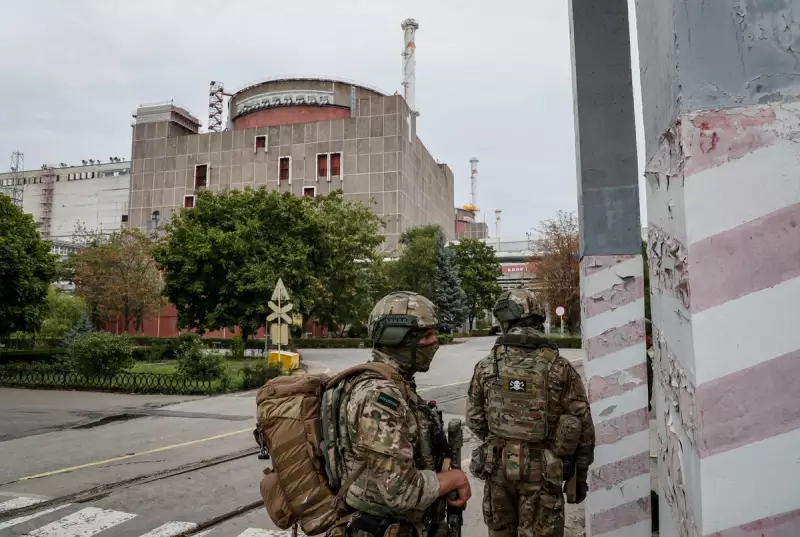
Ukrainian technicians have carried out urgent repairs at the Russian-occupied Zaporizhzhia Nuclear Power Plant following a limited, locally observed ceasefire brokered by the United Nations' nuclear watchdog. The successful intervention allowed for the reconnection of a critical high-voltage power line essential for preventing a catastrophic meltdown at Europe's largest atomic facility.
UN-Brokered Truce Enables Critical Power Restoration
The International Atomic Energy Agency (IAEA) confirmed that the 330-kilovolt Ferosplavna-1 backup line was reconnected to the plant at 19:17 local time on Monday, 19 January 2026. This line is one of only two external power sources for the facility, which has been under Russian control since the early stages of the full-scale invasion. The plant itself is not operational but requires a constant electricity supply to run vital cooling systems for its reactors and spent nuclear fuel.
The IAEA facilitated a temporary halt in hostilities in the immediate area to enable Ukrainian engineers to work safely. This delicate operation highlights the ongoing nuclear safety risks posed by the conflict, even as fighting continues to rage across other fronts.

Zelensky Warns of Imminent Large-Scale Russian Assaults
Despite the localised truce at Zaporizhzhia, Ukrainian President Volodymyr Zelensky issued a stark warning to the nation on Monday, urging citizens to remain "extremely vigilant" for a major Russian offensive in the coming days. His alert preceded a major overnight combined drone and missile attack on the capital, Kyiv, which caused damage to infrastructure and left parts of the city without power and water.
In response to sustained nightly aerial bombardments targeting Ukraine's energy grid, Zelensky announced a significant overhaul of the country's air defence capabilities. A new system will integrate mobile fire groups, interceptor drones, and other short-range assets, overseen by newly appointed Deputy Air Force Commander Pavlo Yelizarov. The president reiterated calls for increased support from Western allies to bolster these defences.
Escalating Threats to Energy and Nuclear Infrastructure
Ukrainian Energy Minister Denys Shmyhal raised alarms in a conversation with IAEA chief Rafael Grossi, stating that Russia is actively preparing for further massive attacks on energy infrastructure, including facilities crucial for the operation of nuclear power plants. The IAEA is working to dispatch a new expert mission to Ukrainian nuclear sites, including Zaporizhzhia, to monitor the perilous situation.
On the ground, Russian defence ministry claims of capturing two settlements—Pavlivka in Zaporizhzhia and Novopavlivka in Donetsk—were reported on Monday, though these could not be independently verified. In a separate development, Ukraine's Security Service (SBU) captured a Russian soldier accused of executing nine Ukrainian prisoners of war in the Kursk region in October 2024. An investigation into this potential war crime is underway.
As Ukraine braces for further assaults, international support continues to adapt. Poland's pipeline operator Gaz-System announced it will increase gas transmission capacity to Ukraine from February to April 2026, providing a lifeline as Russia systematically targets energy production and transportation networks.