

Ukrainian President Volodymyr Zelenskyy has announced a significant overhaul of the nation's air defence capabilities, introducing a new system involving mobile fire groups and interceptor drones. This strategic shift comes as Ukrainian intelligence warns of imminent, large-scale Russian strikes targeting critical infrastructure, particularly energy facilities.
A Transformed Defence System
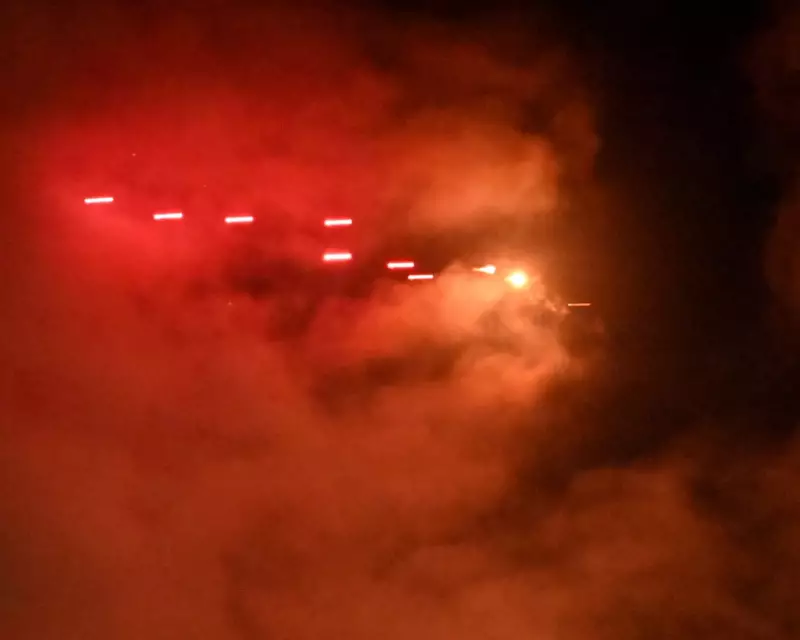
In his nightly video address on Monday, President Zelenskyy detailed the new approach to air defence being implemented by Ukraine's armed forces. The core of this innovation involves the deployment of mobile fire groups equipped with interceptor drones and other short-range air defence assets. "The system will be transformed," Zelenskyy stated, emphasising the need for enhanced protection following devastating Russian strikes earlier in November that left thousands of apartment blocks in Kyiv without power and heating during freezing temperatures.
To spearhead this development, Zelenskyy appointed a new deputy commander of the air force, Pavlo Yelizarov. His role will be to oversee and drive forward this critical military innovation designed to counter the persistent aerial threat from Russia.

Warnings of Imminent Mass Strikes
The president issued a stark warning to the Ukrainian public, urging extreme vigilance. "Russia has prepared for a strike, a massive strike, and is waiting for the moment to carry it out," he said. He called on every region to be ready to respond swiftly to assist civilians. These concerns were echoed by Foreign Minister Andrii Sybiha, who indicated that Russian reconnaissance efforts were focusing on specific targets, including substations supplying nuclear power plants.
Ukrainian Energy Minister Denys Shmyhal confirmed he had informed the head of the International Atomic Energy Agency (IAEA) about Russian preparations for more strikes on Ukrainian energy facilities. This alert follows a recent barrage of drone attacks overnight to Monday, where Russian forces launched 145 drones. Ukrainian air defences successfully intercepted 126 of them, but the assault still cut off power in five regions: Sumy, Odesa, Dnipropetrovsk, Kharkiv, and Chernihiv.
Broader Context: Nuclear Risks and Political Challenges
The ongoing conflict continues to pose severe risks to nuclear safety. In a minor positive development, the IAEA reported that a back-up power line, the Ferosplavna-1 line, had been reconnected to the Russian-occupied Zaporizhzhia nuclear power plant after repairs conducted under an IAEA-brokered ceasefire. The line is crucial for supplying electricity to the facility.
On the political front, Ukraine faces profound challenges in organising elections, as highlighted by the head of the Central Election Commission, Oleh Didenko. With infrastructure shattered and millions displaced, updating the voter registry and preparing for a ballot would require significant time. This issue has gained prominence after former US President Donald Trump demanded Ukraine hold elections, despite martial law prohibiting them and widespread public opposition to a wartime vote.
Diplomatic efforts persist, with Ukraine's top negotiator, Rustem Umerov, stating that talks with US officials on ending the war would continue at the World Economic Forum in Davos this week. Reports also indicate that Vladimir Putin's special envoy, Kirill Dmitriev, will attend the forum and hold meetings with the US delegation.






