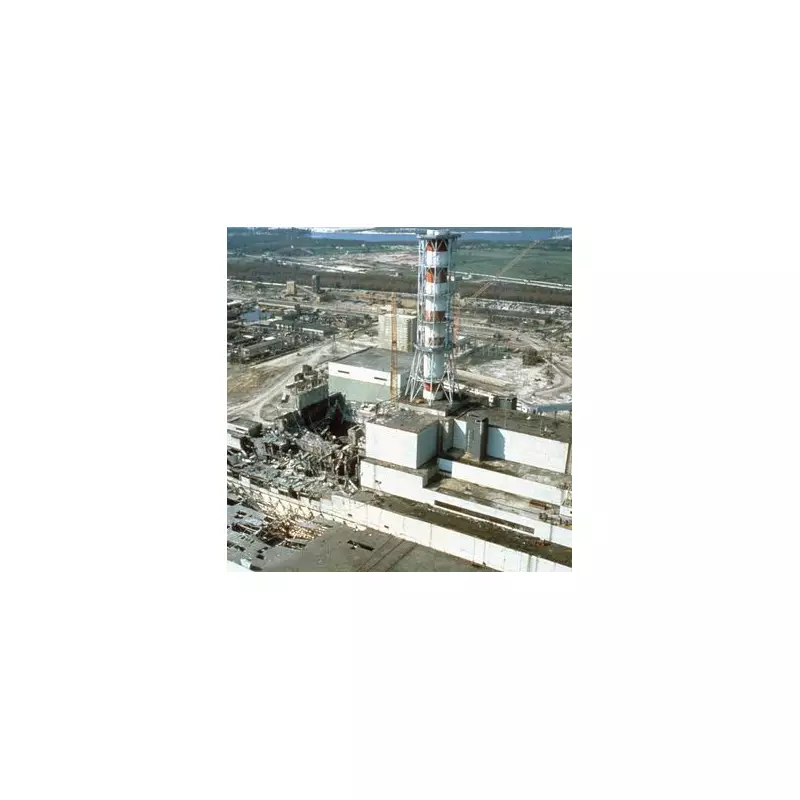
Ukrainian military intelligence has issued a stark warning that Russian attacks on the country's electricity infrastructure could trigger a nuclear disaster on the scale of Chernobyl. Officials state that Moscow is actively planning strikes which could plunge Ukraine into darkness for months, with potentially catastrophic consequences for nuclear safety.
Critical Substations in the Crosshairs
According to a report from Ukraine's Military Intelligence Directorate (HUR), Russian forces have, as of mid-January 2026, conducted reconnaissance on 10 critical energy facilities across nine Ukrainian regions. These sites are electrical substations vital for connecting nuclear power plants to the national grid.
Serhiy Beskrestnov, an electronic warfare expert, highlighted the extreme danger. He explained that these key substations are often located perilously close to reactor sites – sometimes within 300 metres (984 feet) and rarely more than a kilometre away. "A miss by an Iskander or a Kinzhal [missile] could turn into a second Chornobyl," Beskrestnov wrote on his Telegram channel on Monday, 19 January 2026.

He pointed to Russia's documented inaccuracy in past strikes, which have hit residential buildings instead of intended military targets, as a major factor in the heightened risk. The combination of aiming for such sensitive infrastructure and a poor track record for precision creates a volatile and dangerous situation.
A Strategy of Maximum Pressure
The intelligence suggests the planned assault on the energy grid is a deliberate strategy to force Kyiv to capitulate. A Telegram channel with links to a senior Ukrainian official stated that Moscow's goal is not just intermittent blackouts, but a complete and prolonged nationwide power outage lasting weeks or even months.
"The target was never the outage schedules," the channel reported. "The goal is for there to be no electricity at all." The post expressed grave concerns about Ukraine's defensive preparedness, noting that if the capital's defences are lacking, regions with smaller budgets will struggle even more.
While Ukrainian MP Victoria Voytsitska, of the energy and nuclear safety committee, suggested it was unlikely Russia could simultaneously disable the Rivne, Khmelnytskyi, and South Ukraine nuclear plants, the warning from intelligence and military experts remains severe. The public has been advised to prepare for the worst while hoping for the best, underscoring the unpredictable nature of the threat.
The Shadow of 1986 Looms Large
The warnings explicitly draw a parallel to the 1986 Chernobyl disaster, the world's worst nuclear accident. An attack causing a loss of off-site power to a working nuclear plant, coupled with potential damage to safety-critical infrastructure, could initiate a severe crisis.
Ukrainian authorities are now on high alert, monitoring the situation as Russia reportedly deliberates on whether and how to execute these strikes. The situation presents a grim calculus, where an attack designed to cripple Ukraine's energy network could inadvertently unleash an environmental and humanitarian catastrophe with global repercussions.