The Ministry of Defence has announced a significant shift in Britain's defence preparedness, raising the age limit for calling retired military personnel back into service from 55 to 65. The move, which might evoke images of the classic sitcom 'Dad's Army', is being championed by defence experts as a pragmatic and necessary step to bolster national security.
A Pragmatic Response to Modern Realities
Defence analyst Francis Tusa argues the policy makes perfect strategic sense. He points to dramatically increased life expectancy since the 1980s, when the average man lived to 70 and the average woman to 76. Today, those figures stand at 79 and 83 respectively, with a state pension age of 67. Societal assumptions about capability and age have fundamentally changed.
While some may question the physical readiness of a 63-year-old, Tusa challenges this thinking. He highlights participation in events like the London Marathon, where in 2025, around 2,500 runners were aged 60-64 and a total of roughly 3,500 were over 60. This demonstrates a significant portion of the older population maintains high levels of fitness.

Learning from Allies and Adversaries
The UK is not alone in recognising the value of experienced personnel. Sweden allows mobilisation up to age 70, while Finland moved to a 65-year limit in 2022. Other Nordic nations are considering similar shifts. Crucially, these countries face direct geopolitical threats, lending weight to their policy decisions.
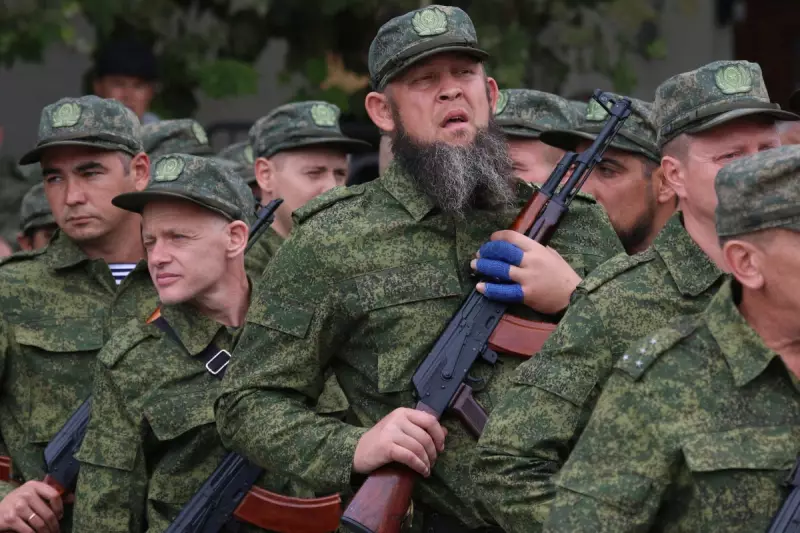
The conflict in Ukraine has further rewritten the rulebook on age in warfare. A 2023 Harvard Kennedy School report noted the average age of soldiers on the frontline was between 48 and 51 years old, a figure projected to rise as high as 58. This older force has successfully held back a larger Russian army.
Leveraging Experience, Not Just Muscle
The new policy does not envision 65-year-olds undertaking frontline infantry assaults. Instead, it aims to harness decades of specialist knowledge. As Tusa explains, many modern 'combat' roles, like operating drones or managing cyber defences, rely more on technical skill and experience than raw physical strength.
He cites historical precedent from the 1980s, when the Home Service Force (HSF) was created amid Cold War tensions. This unit re-enlisted thousands of older former soldiers. One platoon commander in East Anglia was a former major decorated in the Korean War, bringing invaluable experience just 30 years old.
Today, a retired anti-submarine warfare specialist or a former RAF airbase commander possesses institutional knowledge that is often lost in a modern military where personnel rotate roles every two years. Deploying such reservists to headquarters, security details, or training roles frees younger troops for physically demanding tasks.
The move also underscores a persistent recruitment challenge. Despite efforts, attracting the 18-28 age group into regular or reserve forces remains difficult. This policy is a practical adaptation to that demographic reality. However, Tusa emphasises that consistent refresher training is vital to combat 'skills fade', noting that Israel finds mobilisation far harder after five years without training.
Ultimately, expanding the reserve age limit is presented as a crucial element in plugging the UK's defence gaps. A motivated, well-equipped home defence force of over 20,000, drawing on this experienced cohort, could represent a major step forward in national preparedness.