
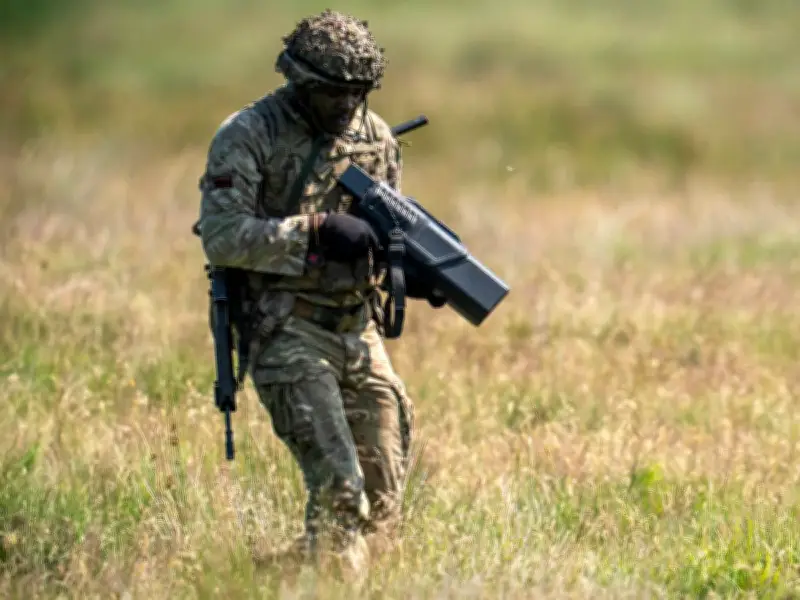
Britain is "not ready for war" and would be vulnerable to missile and drone attacks in the event of a conflict, a military analyst has warned, as global instability rises.
Defence Spending Boost but Gaps Remain
The delayed Defence Investment Plan pledged £298 billion in defence spending over the next four years, aiming to reverse a decline after decades of underfunding. However, military analyst Ben Barry told The Mirror: "I come to the view that the extra money invested ... will stop the decline. So it will flatten [it] out but at the moment it’s not ready for war - if by war you mean full-scale conflict between the British army and a capable peer opponent like a mobilised Russian army."
Threats from Russia and NATO Obligations
Analysts fear Vladimir Putin could lash out against a NATO member, triggering Article 5, which would compel Britain to aid the attacked nation. This could expose the UK to direct attacks. The British army shrank from about 102,000 in 2006 to 74,370 over the past 20 years, with investment dropping in key areas.
Missile and Drone Vulnerabilities
Barry highlighted that the UK has "virtually no missile defence" and its air defence is under-resourced compared to attacks seen in the Gulf. He said: "If there were a war in Europe ... the UK would be on the receiving end of cruise missiles, ballistic missiles, and also drones ... a proportion of them would get through."
Lessons from Ukraine and Allied Defences
NATO allies have improved air defences after waves of attacks on Ukrainian and Russian cities. Barry noted that armies are investing in close defence systems, including machine guns and automatic cannons, and that the British Army has fielded a sophisticated weapon site for rifles to shoot down drones. He stressed a "layered complimentary counter drone air defence system" is needed.
NATO Spending Targets
NATO members recently met in Ankara, Turkey, to discuss investing 5% of GDP in defence by 2035. NATO Secretary General Mark Rutte said: "This is not simply about spending more, it is about ensuring that our armed forces have what they need to keep our one billion people safe in a more dangerous world."




