UK Faces Urgent Iran Terror Warning and 'Lone-Wolf' Attack Threat
Britain is confronting a severe and immediate terror threat from pro-Iranian networks and lone-wolf sympathisers, according to an exclusive warning from an Israeli intelligence expert. The escalating conflict in the Middle East has placed the UK in a precarious position, forcing it to navigate between alienating key allies and increasing domestic security risks.
Expert Analysis: A Dire Warning
Danny Citrinowicz, a former Israeli forces intelligence officer and current senior researcher at the Institute for National Security Studies in Tel Aviv, has issued a stark assessment. He stated that the UK faces definite risks from the Islamic Revolutionary Guard Corps (IRGC) operatives within its borders, as well as from individuals sympathetic to the Tehran regime.
"Definitely the risk is there," Citrinowicz emphasised. "And the risk will increase if the UK joins the war. You have the risk from the Islamic Revolutionary Guard Corps, who are in the UK, and also from elements living in the UK. They may feel bound to act due to recent events."

He highlighted that the threat extends beyond organised cells to the more unpredictable lone-wolf phenomenon, particularly from residents in the UK who might be inspired to carry out attacks independently.
UK's Strategic Dilemma
The UK finds itself stuck between a rock and a hard place, as Citrinowicz described it. On one hand, failing to support US-led military actions against Iran could provoke retaliation from President Donald Trump. On the other, active involvement in the conflict could significantly heighten the terror threat at home.
"The UK has to navigate between that risk and the risk of President Trump taking action because you didn't join the war," he explained, underscoring the complex diplomatic and security balancing act facing British policymakers.
Military Deployment and Regional Escalation
In response to the growing crisis, the UK has confirmed it will deploy the Type 45 destroyer HMS Duncan to the Middle East. The warship, valued at approximately £650 million, is tasked with protecting UK interests, particularly the military base at RAF Akrotiri in Cyprus, from drone attacks launched by Iran or its proxies.
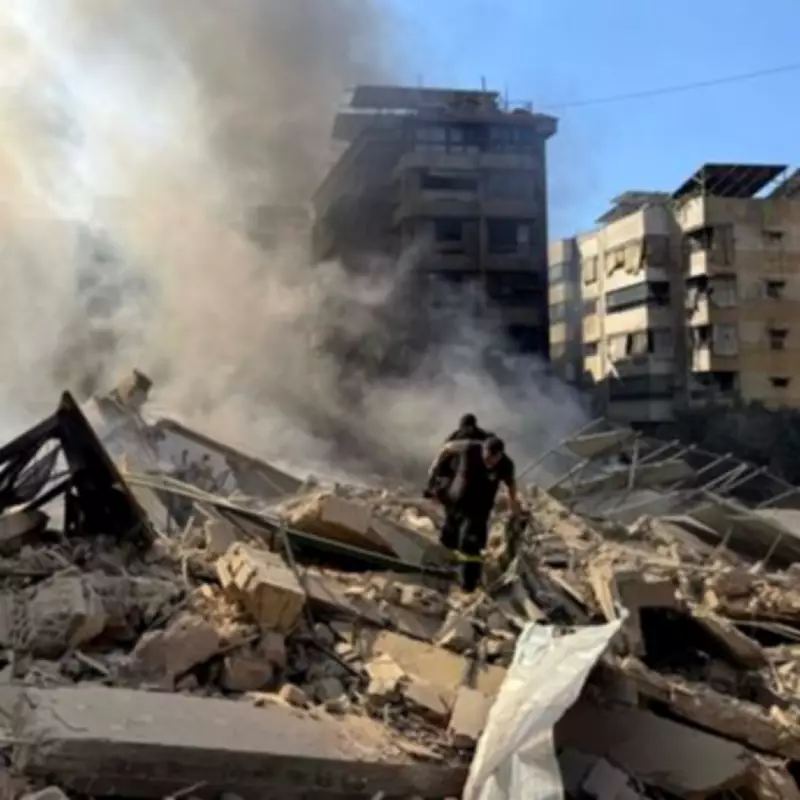
This move follows Prime Minister Sir Keir Starmer's authorisation for the US to use British bases for defensive strikes against Iran's missile sites. The decision comes amid a rapidly widening conflict, with US-Israeli operations expanding to include strikes in Lebanon and Iran, resulting in mounting casualties across the region.
Recent Attacks and Security Measures
The urgency of the situation was highlighted by a drone strike on RAF Akrotiri, though officials stated it occurred prior to the Prime Minister's announcement and was not a direct retaliation. In response, the UK government has bolstered air defences in Cyprus, deploying additional radar systems, F-35 jets, and counter-drone capabilities.
Shadow defence secretary James Cartlidge has called for immediate action, questioning why HMS Duncan was not already in position given the clear threats. Meanwhile, Foreign Secretary Yvette Cooper affirmed that defensive enhancements are underway to safeguard British assets and personnel.
Regional Fallout and Global Implications
The conflict has triggered widespread disruption, with Iran claiming to have closed the vital Hormuz Strait, threatening to "set on fire" any ships attempting passage. This action jeopardises global oil and gas supplies, exacerbating economic tensions.
Additionally, Iran has closed its embassies in Saudi Arabia and Kuwait following drone attacks, including one on its embassy in Riyadh. The US has issued a cross-region alert, urging all American citizens to leave the Middle East, while thousands of Britons remain stranded as the war enters its fourth day.
Human Cost and Ongoing Threats
Casualties continue to rise, with reports indicating 787 deaths in Iran, including 176 children, six US service members killed, and 50 fatalities in Beirut. Israel has escalated its ground operations in southern Lebanon, targeting Hezbollah strongholds, while US Secretary of State Marco Rubio warned that the "hardest hits" on Iran are still to come.

The situation remains fluid, with concerns that President Trump's initial estimate of a "four to five week" conflict may be overly optimistic. As the war expands hourly, the UK must contend with both immediate security threats at home and the broader geopolitical ramifications of its strategic choices in the Middle East.