
A parliamentary committee has criticised the repeated delays to the government's defence investment plan (Dip), warning that the postponements have damaged the UK's credibility with allies. The plan, originally expected last autumn, has been pushed back multiple times amid concerns over a significant funding gap for the military over the next four years. It is now due before a Nato summit in Turkey on 7 July.
The public accounts committee, chaired by MP Geoffrey Clifton-Brown, called for an apology from the government, stating that the delay has harmed national security and the defence industrial base. The report noted that the Ministry of Defence (MoD) has not yet decided which capabilities, infrastructure, and personnel are needed to make the armed forces warfighting-ready within the available budget.
In response, an MoD spokesperson said the government is providing a 'generational increase' in defence spending, with an extra £270bn over this parliament. The spokesperson added that the defence investment plan will fix the 'outdated, overcommitted and underfunded programme we inherited' and that the prime minister is determined to publish it before the Nato summit.
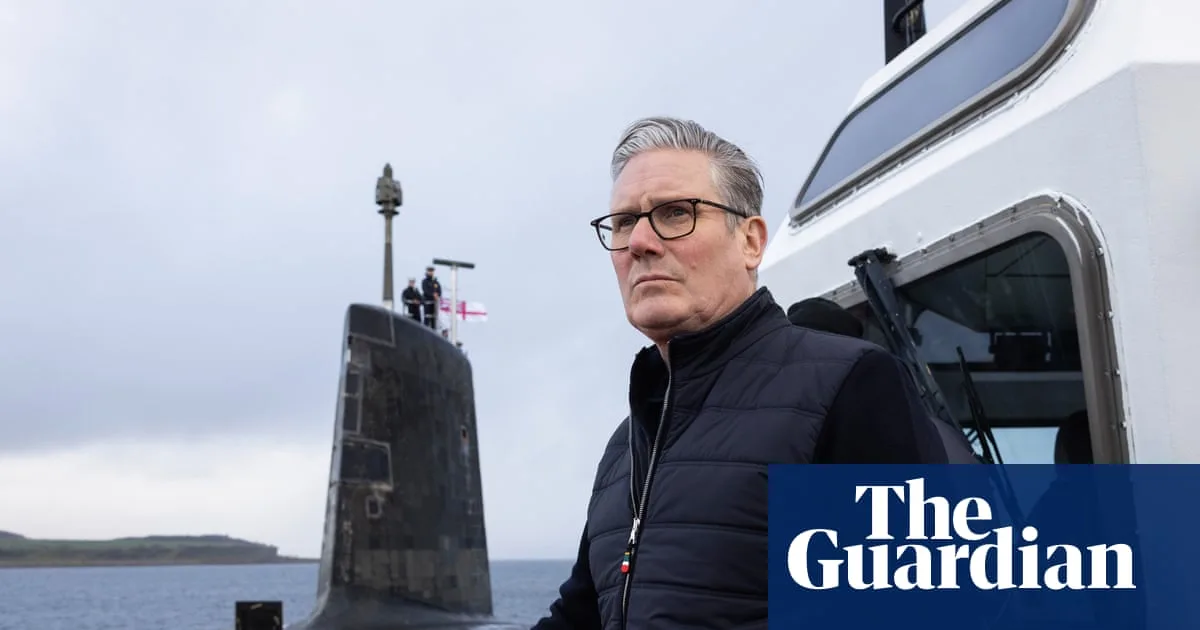
The committee's report comes amid reports that the Royal Navy's entire fleet of Astute-class hunter-killer submarines is docked for maintenance and repairs. The MoD is developing a submarine maintenance recovery plan to address the issue, which a naval source attributed to 'a lack of investment for decades in providing the backup infrastructure'. Additionally, a technical issue was discovered on HMS Prince of Wales, one of Britain's two flagship aircraft carriers, while it was docked in Norway.
Deputy Prime Minister David Lammy told the BBC that the government's commitment to raising defence spending to 3% of national income is 'absolutely sacrosanct', and that the money will be found for new equipment and infrastructure. He emphasised that defence is 'the first purpose of any government'.




