Trump Considers Delta Force Mission to Seize Iran's Nuclear Uranium Stockpiles
Trump Weighs Delta Force Mission to Seize Iran's Uranium

Trump Reportedly Mulls High-Stakes Mission to Capture Iran's Nuclear Material

President Donald Trump is reportedly weighing an audacious military operation to seize Iran's stockpiles of enriched uranium, amid growing fears that the nuclear material could be obtained by rogue nations or terrorist groups. Insiders have revealed that the administration is actively considering deploying US special forces on the ground in Iran to secure the uranium before it falls into the wrong hands.

Delta Force Deployment Under Consideration

Military sources indicate that Trump may authorize a precision operation involving Delta Force, the elite special operations unit previously used in high-profile missions including the capture of Venezuelan dictator Nicolas Maduro. The objective would be to infiltrate Iranian enrichment facilities, destroy or seize the nuclear material, and extract quickly without triggering a full-scale invasion.

"You can bomb a lot of it, but you can't bomb all of it," explained Iran expert Andrew Apostolou of the Britain Israel Communications and Research Center. "It's one reason the US needs to try to get a compliant regime or secure the material directly."

Growing Concerns About Loose Nuclear Material

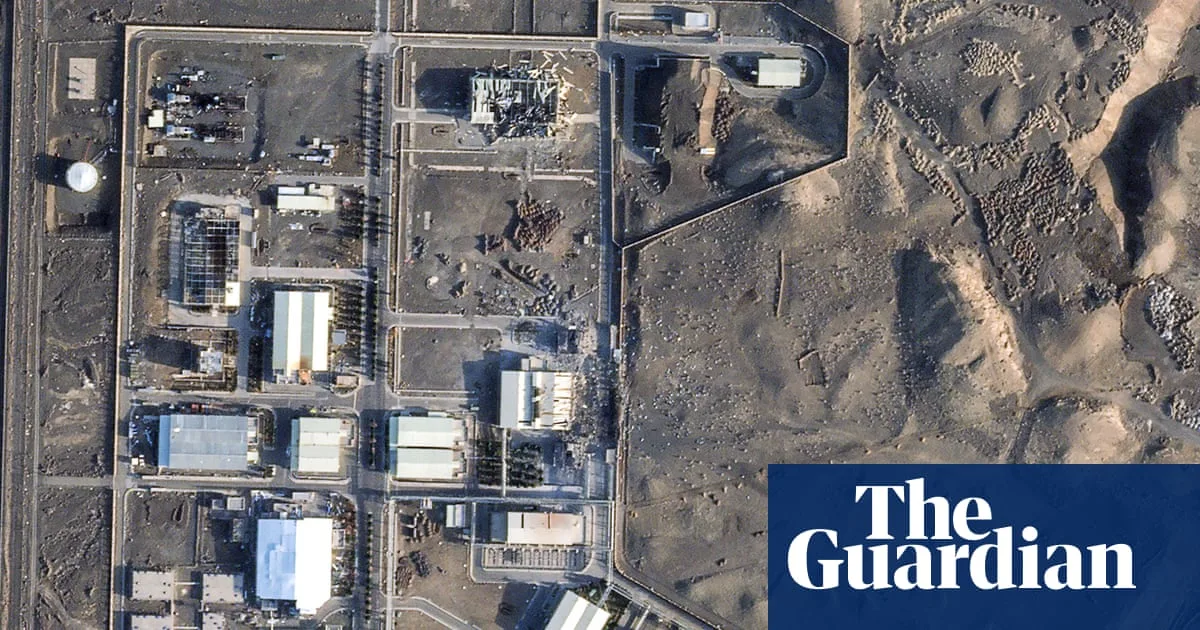
Analysts warn that despite Trump's claims last June that strikes "obliterated" Iran's nuclear facilities at Fordow and Isfahan, significant quantities of enriched uranium likely remain intact in underground sites. The New York Times has reported that Iran may possess as many as 20 scuba-tank-like canisters, each containing approximately 55 pounds of the substance.

Andrea Stricker, director of the nonproliferation program at the Foundation for Defense of Democracies, emphasized the grave risks: "Terrorists would be a concern for radiological sources because of the dirty bomb risk. If the enriched uranium is not secured, the nightmarish potential for it to fall into the wrong hands remains open."

Trump's Ambiguous Stance on Ground Troops

During a conversation with reporters aboard Air Force One on Saturday, Trump offered ambiguous comments about potential military escalation. When questioned about deploying ground troops in Iran, the president stated: "At some point maybe we will. We wouldn't do it now. Maybe we will do it later." He added that he would require a "very good reason" to authorize such an escalatory move.

This comes as the conflict in the Middle East threatens to spiral further out of control. A fresh wave of airstrikes hit Tehran over the weekend, with footage showing apocalyptic scenes across the Iranian capital after US and Israeli forces struck an oil refinery.

Regional Violence Escalates

The heightened tensions have triggered a series of attacks on US diplomatic facilities. In Baghdad, Iraqi officials blamed "rogue groups" for launching a barrage of rocket fire at the US Embassy. Dramatic footage appeared to show a US Army C-RAM interceptor system shooting down the incoming rockets, sending red lasers across the night sky as it neutralized the threat.

Hours later, an explosion occurred outside the US Embassy in Oslo, Norway, causing minor injuries and damage to the consular entrance. Norwegian police have not yet identified the source or perpetrators of the blast.

Iraqi Prime Minister Mohammed Shia al-Sudani condemned the Baghdad attack as a "terrorist act" and ordered security forces to find those responsible. "These rogue groups that operate outside the framework of the law in no way represent the will of the Iraqi people," he stated.

Iran's Defiant Response

Meanwhile, Iran has launched retaliatory strikes against its Gulf neighbors, with debris from intercepted missiles striking the luxury 23 Marina skyscraper in Dubai. In a separate incident, one man was killed when debris from an "aerial interception" fell on his car, and Dubai Airport was evacuated following an Iranian drone attack.

Iran's de facto leader Ali Larijani delivered a defiant speech to state media, vowing that the nation would not surrender to US demands. "Americans must know that we will not let them go," Larijani declared. "The United States must pay the price for killing late Supreme Leader Ayatollah Khamenei."

Expert Warnings About Worst-Case Scenarios

Nonproliferation experts express particular concern about the potential for Iranian insiders with knowledge of uranium storage locations to trade that information for personal gain or safe passage out of the country. "When you have that kind of knowledge and there's a lot of bad actors out there looking for it, you have a survival ticket," Apostolou warned.

The expert further cautioned that rogue nations including North Korea or neighboring Gulf states—some of which have been targeted by Iranian retaliatory strikes in recent days—might seek to capitalize on the chaos to obtain nuclear materials. "The danger is loose nukes," Apostolou emphasized, noting that various scenarios could still unfold in Trump's ongoing confrontation with Iran.

As tensions continue to mount, military planners are reportedly developing contingency options for securing Iran's nuclear materials through surgical special operations rather than large-scale conventional warfare. The coming weeks may determine whether the US attempts what would be one of the most daring nonproliferation missions in recent history.




