Russia Mobilises Reservists to Guard Vital Oil Ports from Ukrainian Drone Strikes
Russia's Leningrad region is set to recruit reservists to form new military units dedicated to protecting key infrastructure, including the crucial Baltic Sea oil ports of Ust-Luga and Primorsk, from intensifying drone assaults attributed to Ukraine. This significant move comes as these attacks have recently disrupted vital oil exports, a major revenue stream for the Russian economy, causing substantial operational headaches for Moscow.
New Defensive Units for Critical Infrastructure
Governor Alexander Drozdenko confirmed that the new units would be deployed to the premises of enterprises and critically important infrastructure sites. In a statement on his Telegram account, he notably omitted any direct mention of Ukraine, instead framing the decision as a response to a federal and security agency meeting which concluded that protection of the sky over the Leningrad Region against drone attacks must be strengthened and reinforced.
Reservists joining these new defensive formations will be offered contracts ranging from two months to several years, according to Mr Drozdenko. This recruitment drive follows claims by Russian state news agency RIA Novosti that Russia intercepted 11,211 Ukrainian drones in March alone, nearly doubling the figure from February, highlighting the escalating scale of the aerial threat.

European Involvement and Kremlin Warnings
Meanwhile, the Kremlin has accused European countries of becoming more directly involved in the war in Ukraine. This accusation references a warning from Russia's Defence Ministry about drone production sites across the continent and in Britain. The ministry published a list of factories and enterprises it alleges manufacture drones or drone components, naming facilities in Britain, Germany, Denmark, Latvia, Lithuania, Netherlands, Poland, the Czech Republic, Spain, Italy, Israel, and Turkey.
Former Russian President Dmitry Medvedev, now deputy chair of Russia's Security Council, stated in a subsequent post on X that this list amounts to a catalogue of potential targets for Russia's armed forces. He ominously remarked, "When strikes become a reality depends on what comes next. Sleep well, European partners!"
Strategic Implications for Oil Exports
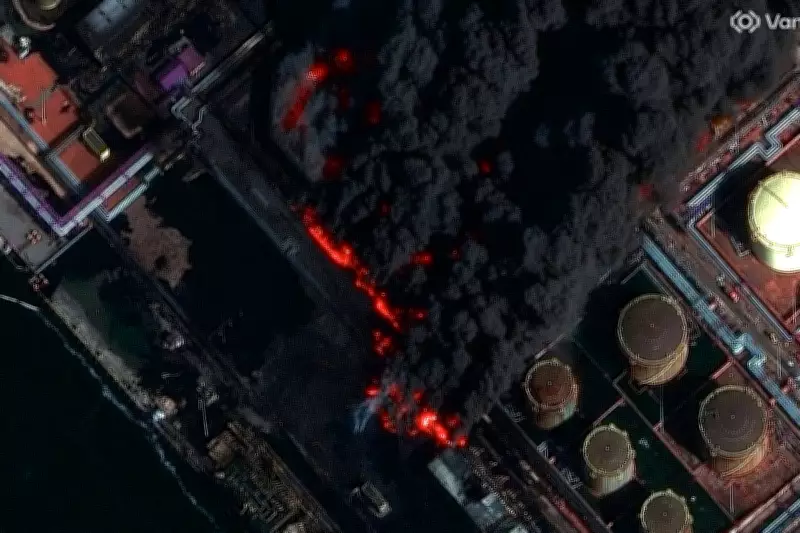
The oil exports via Ust-Luga and Primorsk, described as the lifeblood of Russia's economy, have been repeatedly interrupted over the past month by the intensifying drone attacks from Ukraine. Visual evidence, including smoke rising from the Ust-Luga port after a strike, underscores the tangible impact on these critical facilities. When asked whether the Defence Ministry's publication and Medvedev's comments indicated that Russia was genuinely considering striking targets in Europe, Kremlin spokesman Dmitry Peskov did not provide a definitive answer.
Instead, Peskov reiterated, "These countries are becoming increasingly directly involved in the conflict, in the war surrounding Ukraine. The details are set out in the Defence Ministry's statement." This stance reflects Moscow's broader narrative of framing Western support for Ukraine as direct participation, potentially justifying further escalatory measures in response to the ongoing drone warfare targeting its economic infrastructure.