
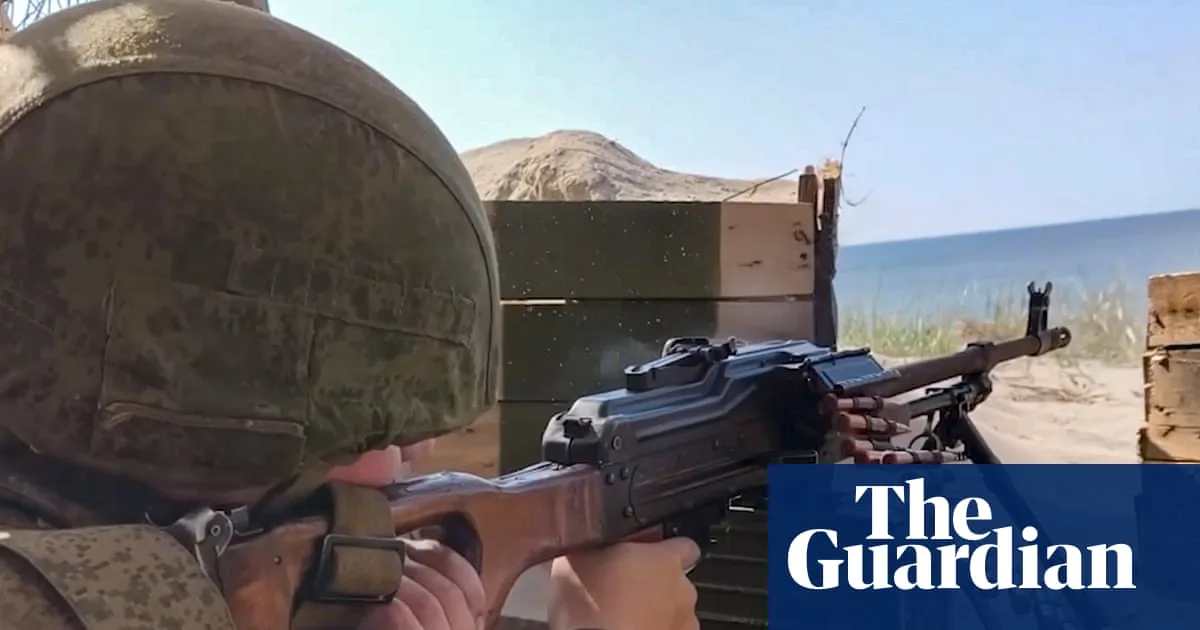
Russia and Belarus concluded a scaled-down version of their Zapad-2025 military exercises on Tuesday, but the display of firepower has heightened unease across Europe. The drills, held at the Borisov training ground in Belarus, simulated a defensive response to a fictional Western invasion and included fighter jets, tanks, and drones. Senior Belarusian military official Valery Revenko described the exercises as 'unprecedentedly open' and insisted they posed no threat, noting that they were held further from Nato borders than originally planned.
However, European capitals remain wary, recalling that the Zapad-2021 exercises provided cover for Russia to move troops westward, many of which later participated in the invasion of Ukraine. The current drills also highlighted a growing rift between Europe and Washington in their approach to Moscow. Two US military officials attended Monday's war games, the first known visit by American representatives to a Russian military drill in years, sparking fears that the Trump administration may be unwilling to take a hard line on Russia.
Poland responded to the exercises by deploying up to 40,000 troops to its border with Belarus and closing the border indefinitely, dealing an economic blow to Belarusian leader Alexander Lukashenko. Polish Foreign Minister Radosław Sikorski told the Guardian that Russia had asked Poland to reconsider, but he countered that Russia should stop sending 'arsonists and drones into Poland.' European allies have also sent additional jets to patrol against possible Russian drone incursions.
Analysts noted that the Zapad-2025 drills were a fraction of the scale of the 2021 exercises, involving only about 1,000 Russian troops alongside 7,000 Belarusian forces, underscoring Moscow's manpower shortages due to the war in Ukraine. Konrad Muzyka of Rochan Consulting said it was difficult to draw firm conclusions, as Russia and Belarus had released less information than usual.




