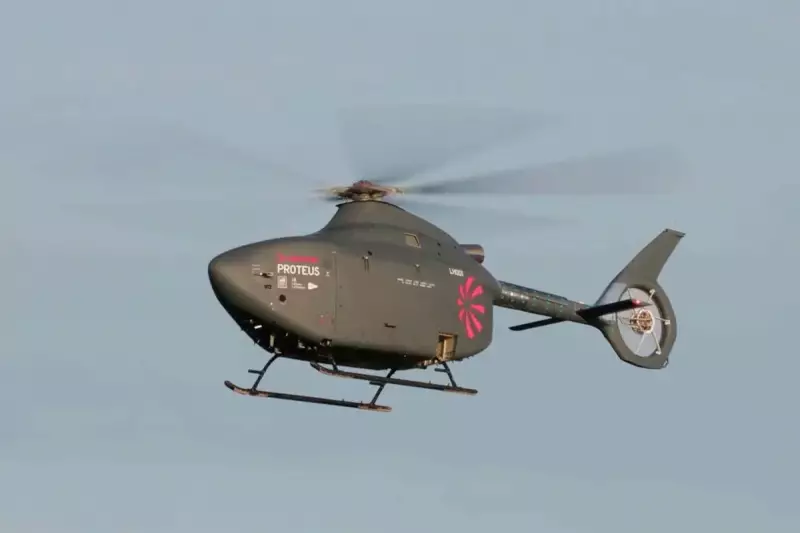
In a landmark moment for British defence technology, the nation's first fully autonomous, full-size helicopter has successfully taken to the skies. The historic maiden flight took place from Predannack airfield in Cornwall on Friday 16 January 2026.
A Milestone for the Royal Navy's Future Fleet
The demonstrator aircraft, named Proteus, is designed and built by the defence firm Leonardo. Its successful flight, witnessed by officials from Leonardo, the Royal Navy, and UK Defence Innovation, represents a crucial step forward in integrating uncrewed systems into naval operations. The helicopter is central to plans for future 'hybrid air wings' and will play a significant role in anti-submarine warfare.
Fulfilling the Strategic Defence Review
This achievement directly fulfils commitments outlined in the UK's Strategic Defence Review, which aims to create a 'New Hybrid Navy'. The Proteus programme, valued at £60 million and supporting approximately 100 British jobs, is a cornerstone of the wider Atlantic Bastion strategy. The flight followed extensive ground running trials conducted at Leonardo's facility in Yeovil.

Technology and Global Significance
Considered one of the world's first operational full-sized autonomous helicopters, Proteus relies on advanced sensor arrays and sophisticated computer systems to make independent flight decisions. This move towards greater autonomy is set to redefine how the Royal Navy conducts its missions, enhancing capability while potentially reducing risk to personnel.
The debut of Proteus marks a definitive leap into the next generation of maritime aviation for the United Kingdom, positioning the Royal Navy at the forefront of autonomous aerial technology.