
Hundreds of British sailors aboard the RFA Lyme Bay are poised off Gibraltar for a mine-clearing mission in the Strait of Hormuz, but deployment hinges on a peace deal. US President Donald Trump has said the agreement is 'largely negotiated' but not yet finalised.
The strait has been effectively closed by Iran since 28 February, following US and Israeli military action. This has disrupted global shipping, sending energy prices soaring and affecting oil, gas, and fertiliser trade. Trump has criticised allies, urging them to secure the waterway themselves.
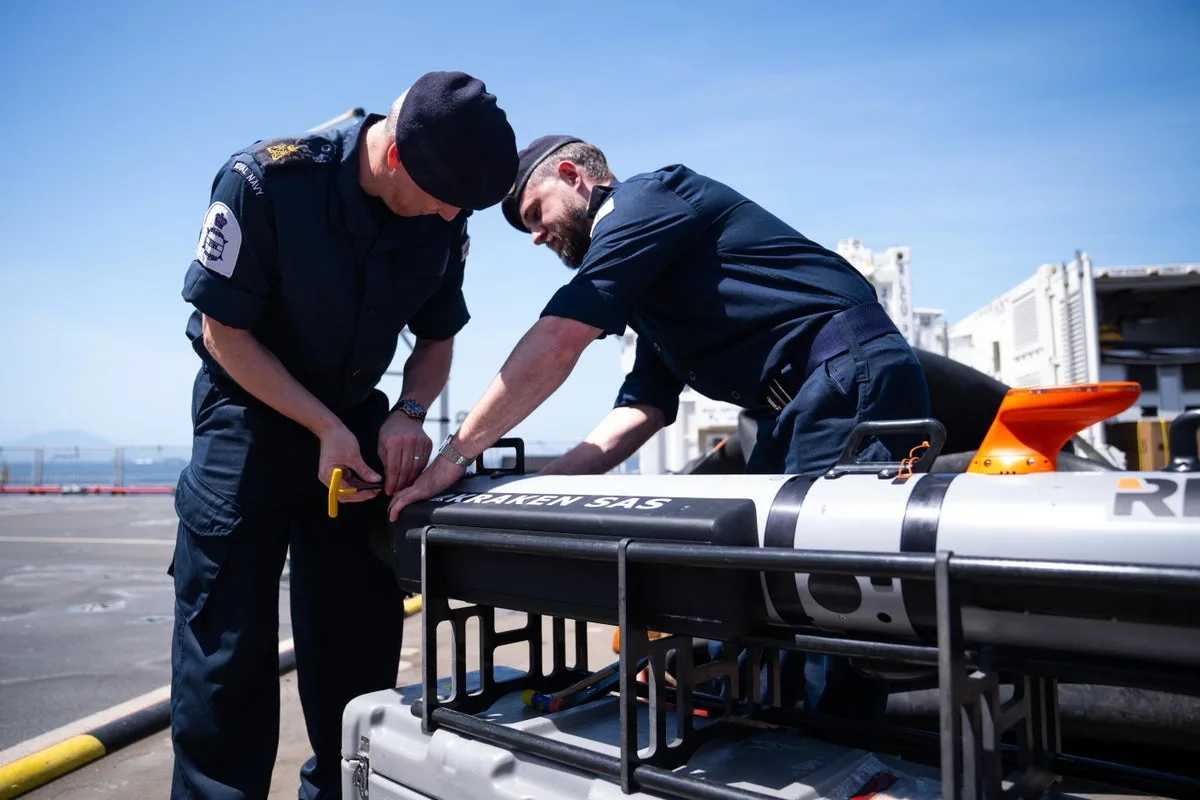
Armed Forces Minister Al Carns showed reporters the RFA Lyme Bay being loaded with ammunition and advanced mine-hunting sea drones. The vessel will link up with HMS Dragon and allied ships before transiting the Suez Canal to the Persian Gulf. The UK and France are expected to lead the international operation.
Commander Gemma Britton, head of the Royal Navy’s Mine and Threat Exploitation Group, warned that Iran may possess a wide variety of mines, including rocket-propelled and seabed-based devices. Autonomous systems on board can scan the seabed with sonar, reducing risks to personnel.
The immediate priority is to clear a transit lane for around 700 waiting ships, but clearing the entire strait could take months or years. Carns stressed that commercial insurers require 'absolute certainty' before vessels can resume passage, which the UK capability will provide.
Deployment will only proceed after hostilities cease. Trump has stated that final details of the deal are being discussed, but no timeline has been given. Carns admitted uncertainty over when a solution will be reached, leaving the RFA Lyme Bay on standby.




