RAF Laser-Guided Rockets Slash Drone Interception Costs by 90%
RAF Laser Rockets Cut Drone Interception Costs 90%

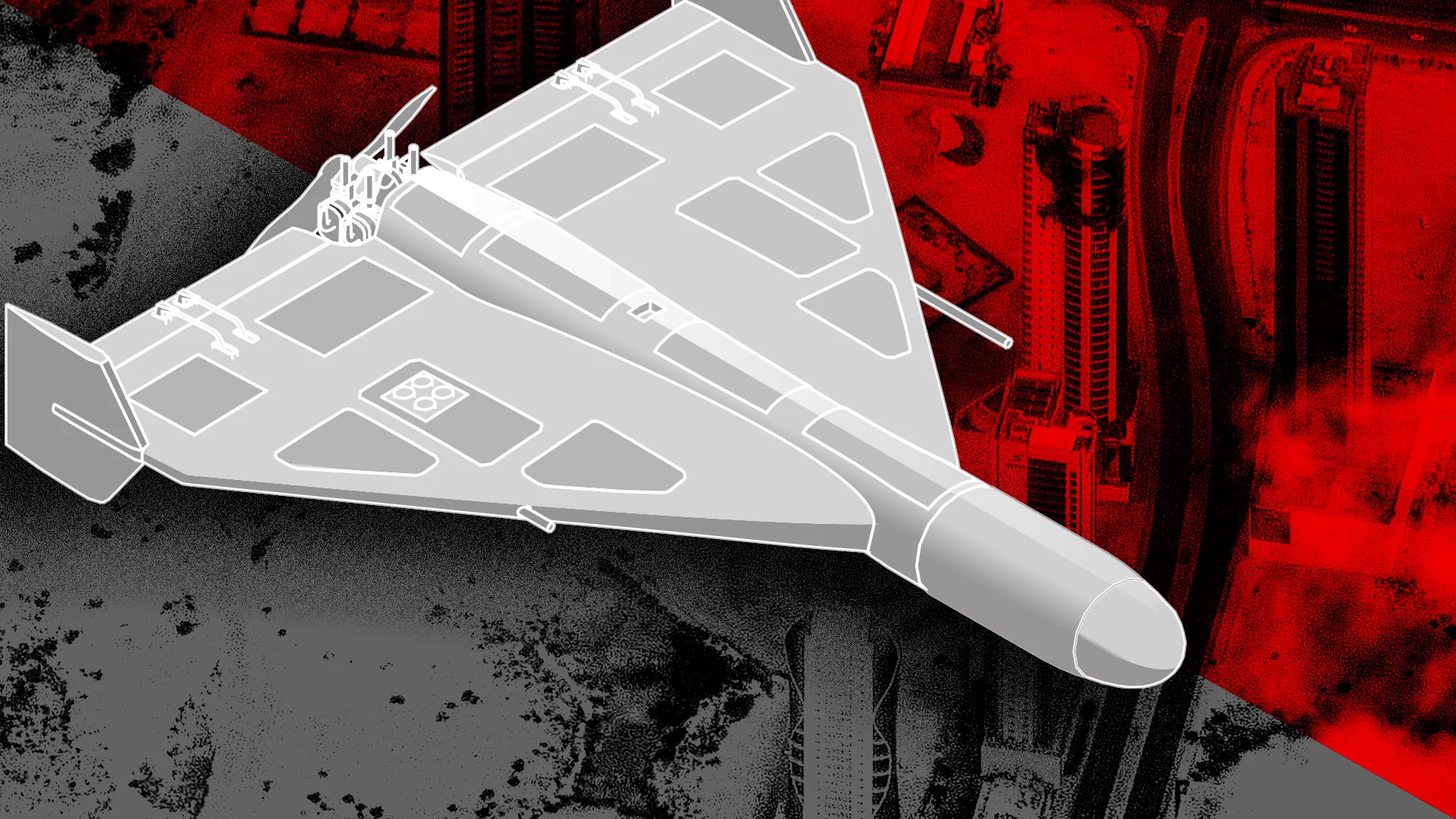
The Royal Air Force has achieved a significant breakthrough in air defence by reducing the cost of intercepting Russian and Iranian drones by 90 percent. This development comes as Western air forces and Middle Eastern allies have been depleting expensive air defence missile stocks to counter primitive Shahed drones.

Background of the Issue

The challenge became particularly evident during the recent US-Iran conflict, where Gulf states exhausted their supplies of Patriot missile systems provided by the United States. The RAF itself was compelled to deploy high-end air-to-air missiles to neutralise Iranian warheads targeting UK bases and allied forces in the region.

The Innovative Solution

In a major boost to UK security, the RAF has now resolved this problem by attaching laser targeting designators to Vietnam-era unguided rockets. This system, known as the Advanced Precision Kill Weapon System (APKWS), enables Hydra 70 rockets to seek and destroy Shahed drones, thereby conserving Patriot missiles for more sophisticated threats.

Wide Pickt banner — collaborative shopping lists app for Telegram, phone mockup with grocery list

The timing of this innovation is critical, as Britain is set to lead a multinational force to secure the Strait of Hormuz following any US-Iran peace deal. RAF Typhoons will be deployed to protect commercial shipping from drone attacks. Ukrainian officials in Kyiv are also studying the Geran, a Russian copy of the Shahed drone. These drones, though primitive, are highly effective, especially when launched in swarms to overwhelm defence systems.

Official Reactions

Air Commodore Donal McGurk, the RAF's Deputy Director Operations, stated: 'We welcome the speed of development and meticulous testing behind the deployment of these missiles for use on our Typhoons. They are a valuable addition to the air defence package we are already employing with agility across the Middle East.'

Minister for Defence Readiness Luke Pollard added: 'Our Typhoon fleet is the backbone of UK and NATO air defence, with the RAF protecting Europe’s eastern flank from Russian drone incursions and defending our partners across the Middle East.'

Political Context

The failure to send a Royal Navy warship to the conflict zone, along with an attack on the RAF’s base in Cyprus by Iranian proxies, proved highly embarrassing for Prime Minister Sir Keir Starmer. The destroyer HMS Dragon was belatedly rushed to the warzone, drawing mockery from US President Donald Trump and Secretary of War Pete Hegseth over its late arrival.

Future Prospects

Air chiefs hope that the combination of decades-old rockets and laser targeting designators will prove effective on platforms beyond the Typhoon. The fast jet was designed for high-speed, high-altitude operations rather than low-level patrolling to intercept Shaheds, making its use for this purpose costly in terms of flying hours and maintenance. The RAF is therefore working with defence companies to develop uncrewed systems for the same task. In trials, the Malloy T-150, an electric-powered copter originally designed for heavy lift operations, has proven capable of firing Hydra 70s.

APKWS was first used in combat by the RAF to defend Qatari airspace from Iranian drones, following tests at the Ministry of Defence’s Aberforth range in west Wales.

Economic Impact

Iranian-designed Shahed drones, nicknamed 'flying lawnmowers' due to their slow and noisy flight, cost approximately £20,000 to produce. In contrast, advanced defence missile systems deployed by NATO in eastern Europe and Gulf states can cost up to £200,000. This economic imbalance has long perplexed Western air planners, who now hope APKWS provides the answer.

A defence source commented: 'The exact costs are commercially sensitive, but we can say these are a fraction of the cost of alternative air-to-air missiles which are better used against cruise missiles or more challenging targets. This also increases the number of missiles each Typhoon can carry, significantly enhancing how many targets a single aircraft can engage.'

Pickt after-article banner — collaborative shopping lists app with family illustration




