Pentagon Considers Deploying 3,000 Troops to Iran War, Including Kharg Island Seizure
Pentagon Weighs 3,000 Troop Deployment to Iran War

Pentagon Weighs Major Troop Deployment to Iran Conflict

The Pentagon is reportedly considering the deployment of approximately 3,000 troops to bolster the ongoing war effort against Iran, with a potential mission to seize Kharg Island, the country's primary oil export terminal. This strategic move, as detailed in a new report, could significantly escalate the military campaign that has now entered its fourth week.

Immediate Response Force on Standby

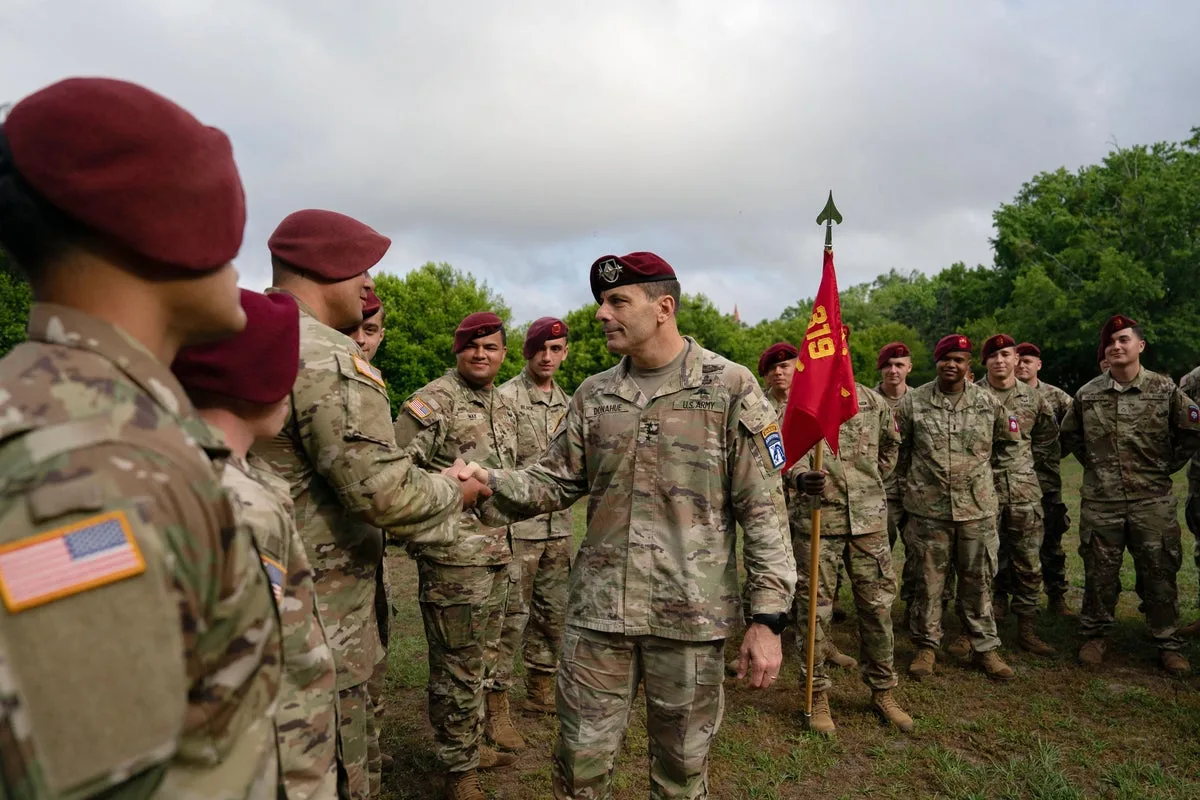
Senior Pentagon officials are evaluating the use of the Army's 82nd Airborne Division's "Immediate Response Force," a combat brigade consisting of around 3,000 soldiers. This elite unit is capable of deploying paratroopers and essential equipment to any global location within an 18-hour window, according to defense officials cited by The New York Times. The deployment would include the combat brigade along with certain elements of the 82nd Airborne's headquarters staff to assist in the joint US-Israeli military operations against Iran.

The potential seizure of Kharg Island is a key objective under consideration, as it serves as Iran's critical oil export hub. However, defense officials have emphasized that no formal orders have been issued by the Pentagon or US Central Command, which oversees military activities in the Middle East. The Pentagon has declined to comment on the specifics of the report, citing operational security concerns and stating that it does not discuss hypothetical or future troop movements.

Wide Pickt banner — collaborative shopping lists app for Telegram, phone mockup with grocery list

Trump's Statements and Strategic Decisions

President Donald Trump recently announced that Central Command executed a powerful bombing raid on March 13, targeting military installations on Kharg Island. In a statement on Truth Social, Trump noted that he chose not to destroy the island's oil infrastructure "for reasons of decency," but warned that any interference with ship passage through the Strait of Hormuz would prompt a reconsideration of this decision.

Iran has effectively closed the Strait of Hormuz, a vital waterway between Iran and Oman that transports about one-fifth of the world's oil supply, by threatening attacks on vessels attempting to enter. Trump has called on US allies to help secure this strategic passage, though initial responses have been hesitant.

Impact on Global Oil Markets

The conflict has led to a significant surge in oil prices, with Brent crude, the international benchmark, briefly exceeding $119 per barrel last Thursday, as reported by the Associated Press. Prior to the commencement of US and Israeli military strikes, oil was trading at approximately $70 per barrel. On Monday, Brent crude experienced an 11 percent decline to $99.94 per barrel, following Trump's announcement of a five-day postponement of strikes against Iranian power plants and energy infrastructure.

Trump indicated on Truth Social that the United States and Iran engaged in "very good and productive conversations" over the weekend aimed at resolving hostilities in the Middle East. The five-day delay in strikes is contingent on the success of these ongoing discussions, highlighting a potential diplomatic avenue amidst the military tensions.

Pickt after-article banner — collaborative shopping lists app with family illustration