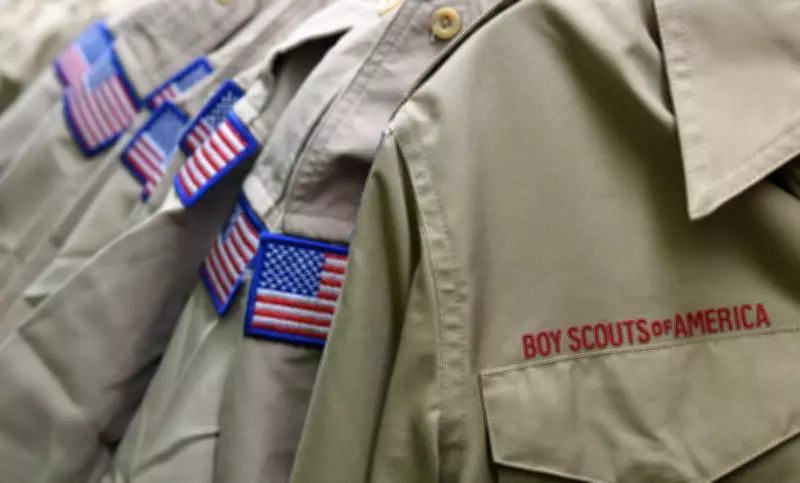
Pentagon Identifies Boy Scouts of America as Potential National Security Threat
In a startling development that has sent shockwaves through both military and civic circles, the United States Department of Defense has officially classified the Boy Scouts of America (BSA) as a potential national security threat. This unprecedented move, detailed in a recent internal assessment, marks a significant escalation in the Pentagon's scrutiny of domestic organisations and their perceived risks to the nation's security infrastructure.
Concerns Over Youth Indoctrination and Organisational Vulnerabilities
The Pentagon's report, which has been circulated among top defence officials, highlights several key areas of concern regarding the Boy Scouts of America. Foremost among these is the potential for youth indoctrination within the organisation's extensive network of camps, troops, and activities. Defence analysts have expressed apprehension that the BSA's widespread influence over millions of young Americans could be exploited by malicious actors seeking to shape future generations' loyalties and ideologies.
Furthermore, the assessment points to organisational vulnerabilities within the Boy Scouts' structure that might be leveraged for espionage or subversive activities. The report suggests that the group's reliance on volunteer leadership and its decentralised operational model could create openings for infiltration by hostile entities. This concern is compounded by the BSA's historical ties to various community and governmental institutions, which the Pentagon fears could be used as conduits for undermining national security from within.

Historical Context and Modern Implications
The Boy Scouts of America, founded in 1910, has long been regarded as a bastion of traditional American values, character development, and outdoor education. For over a century, the organisation has played a prominent role in shaping the youth of the nation, with millions of Americans having participated in its programmes. However, the Pentagon's new classification reflects a dramatic shift in how such longstanding institutions are viewed through the lens of contemporary security paradigms.
This re-evaluation comes amid a broader reassessment of potential threats within the domestic landscape, where organisations once considered benign are now being scrutinised for any possible risks they might pose. The defence establishment's focus has increasingly turned inward, examining not only external adversaries but also internal entities that could, intentionally or unintentionally, compromise national security.
Potential Ramifications and Future Monitoring
The designation of the Boy Scouts of America as a potential threat is expected to have several immediate and long-term consequences. Defence and intelligence agencies are likely to increase their monitoring of the organisation's activities, leadership, and affiliations. This could involve enhanced scrutiny of BSA events, communications, and partnerships with other groups or institutions.
Moreover, the Pentagon's assessment may prompt other government departments to review their interactions with the Boy Scouts. Federal and state agencies that have historically collaborated with the BSA on youth programmes, disaster response, or community initiatives may now reconsider these partnerships in light of the security concerns raised. The classification could also influence public perception, potentially altering the way the organisation is viewed by parents, educators, and policymakers across the country.
Broader Implications for Youth Organisations and National Security
This development raises profound questions about the balance between fostering civic engagement and maintaining national security in modern America. The Pentagon's move signals a growing willingness to subject even the most venerable and seemingly innocuous institutions to rigorous security evaluations. It underscores a paradigm where no organisation, regardless of its historical standing or popular support, is immune from being assessed as a potential risk.

As the Department of Defense continues to refine its threat assessment methodologies, other youth organisations and community groups may find themselves under similar scrutiny. The case of the Boy Scouts of America serves as a precedent that could reshape how the nation approaches the intersection of youth development, organisational integrity, and security preparedness in an increasingly complex and uncertain world.