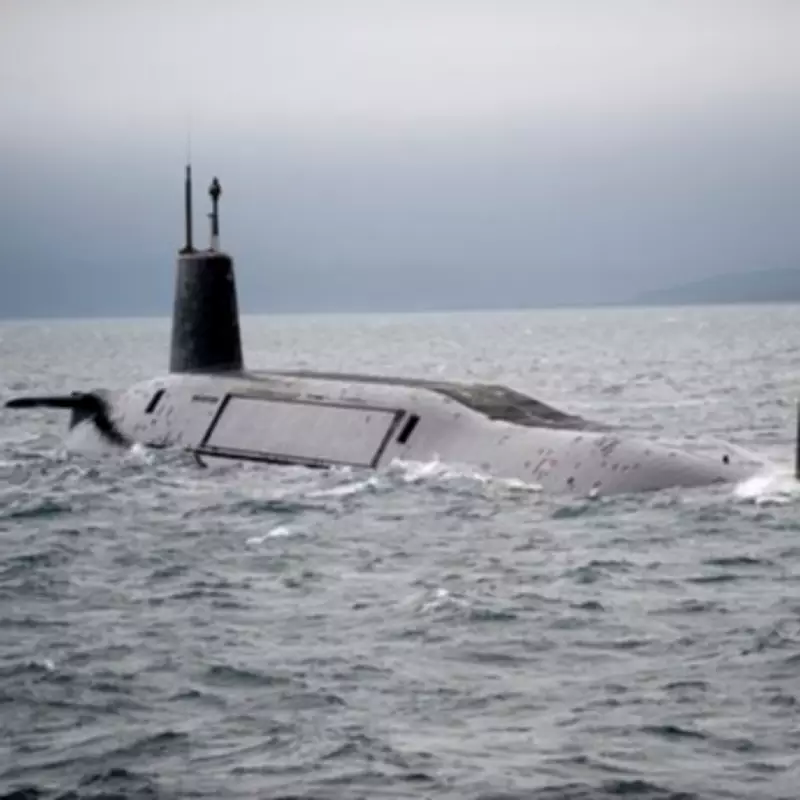
The termination of the pivotal arms control agreement governing nuclear weapons between the United States and Russia has been described as a "nightmare" scenario, arriving at what experts consider the worst possible moment. This development strips away a vital layer of global protection against the catastrophic use of atomic weaponry.
A Treaty in Peril at a Time of Extreme Tension
The Treaty on Measures for the Further Reduction and Limitation of Strategic Arms, commonly known as New START, was originally signed by both nations in 2010. Its expiry today marks a grave and immediate danger to international security that demands urgent attention; it cannot be relegated to a mere administrative task for future consideration.
This crisis unfolds against a backdrop of piano-wire tensions between Russia and the NATO alliance, coupled with a perceived ambivalence from the United States towards its traditional allies. Russia and the US collectively possess approximately 90 percent of the world's nuclear arsenal, with Moscow maintaining the single largest cache of atomic weapons globally.

Complex Negotiations and Shifting Geopolitical Alliances
Compounding the urgency is the fact that what was once a relatively straightforward agreement has grown immensely complex over the past fifteen years. The United States has insisted that China must be included in any new treaty framework, while Russia has countered that negotiations must also encompass nuclear powers France and the United Kingdom.
The geopolitical landscape further complicates these demands. The US, France, and the UK are all providing support to Ukraine in its ongoing war with Russia, while Moscow receives backing from China. This alignment, combined with a near-total breakdown in diplomatic relations with Moscow, creates a formidable barrier to forging a new agreement.
China, currently in a phase of significant military ascendancy, has demonstrated absolutely zero interest in accepting limitations on its expanding nuclear forces. This stance presents a major new driving factor towards a potential global nuclear arms race.
The Looming Threat of a New Arms Race
With Donald Trump at the helm of the free world, employing a transactional and showman-like approach to deal-making, the prospect of a prolonged period without any nuclear arms agreement appears increasingly likely. Securing a new weapons treaty may well be beyond current diplomatic capabilities.
In this vacuum, it is probable that China will aggressively pursue nuclear parity, and other nations will undoubtedly consider expanding their arsenals. For years, the New START treaty imposed an upper limit of 1,550 deployed strategic nuclear warheads for each side. Both the US and Russia hold many more non-deployed and non-strategic "tactical" weapons and are actively modernising their nuclear forces.
China's rapid nuclear build-up is particularly alarming; it has doubled the size of its arsenal from an estimated 300 to 600 warheads over the past five years alone.
The Dire Consequences of Treaty Expiry
The immediate outcome of New START's collapse is that the world's militaries will almost certainly gain access to more nuclear weapons. A further, critical consequence will be a drastic reduction in transparency and predictability surrounding these arsenals.
The treaty's verification mechanisms, regular data exchanges, and confidence-building measures are now defunct. Over time, this will lead to growing areas of mystery concerning Russian and US nuclear weapon numbers, their operational status, and overall force posture.
Transparency was arguably the greatest benefit of arms control, and it also significantly bolstered the deterrence aspect of nuclear weapons. It ensured that potential adversaries always knew the precise retaliatory capability they faced. Now, and in the foreseeable future without a new agreement, that crucial knowledge will be lost, elevating the risk of miscalculation and conflict to perilous new heights.