NATO Forces Scramble as Iranian Missile Violates Turkish Airspace
NATO air defence systems were urgently activated after Iran launched a missile that penetrated the airspace of Turkey, a key member state of the alliance. The incident, which occurred on March 9, 2026, prompted a swift military response from NATO forces stationed in Turkey.
Missile Intercepted and Destroyed Over Southeastern Turkey
According to official statements, NATO defences successfully tracked and destroyed the incoming missile, preventing any casualties or significant damage. Debris from the intercepted projectile landed in empty agricultural fields near Gaziantep, a province in southeastern Turkey. The area is known for its rural landscape, which helped mitigate potential risks to populated zones.
The Turkish defence ministry issued a stern warning following the event, emphasising that all necessary measures will be taken resolutely and without hesitation against any threats targeting the nation's territory and airspace. This declaration underscores Turkey's commitment to safeguarding its sovereign borders amid rising regional tensions.

Incirlik Air Base on High Alert
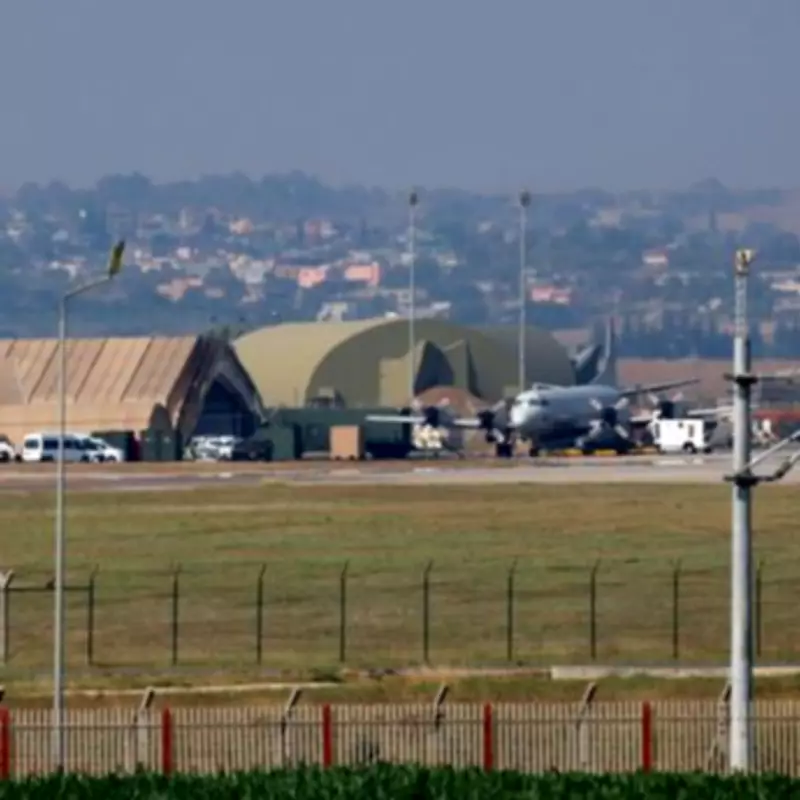
Military aircraft at Incirlik Air Base, located on the outskirts of Adana in southeastern Turkey, were reportedly placed on high alert during the incident. This strategic base, which hosts NATO assets, plays a crucial role in regional defence operations. The activation of air defences highlights the alliance's readiness to respond to aerial threats from neighbouring countries.
This escalation marks a significant breach of airspace norms and raises concerns about stability in the region. Analysts suggest that such provocations could strain diplomatic relations between Iran and NATO member states, potentially leading to further military posturing or diplomatic fallout.
As developments unfold, authorities continue to monitor the situation closely, with no immediate reports of additional threats. The incident serves as a reminder of the volatile security landscape in the Middle East and NATO's pivotal role in maintaining defensive protocols among its members.