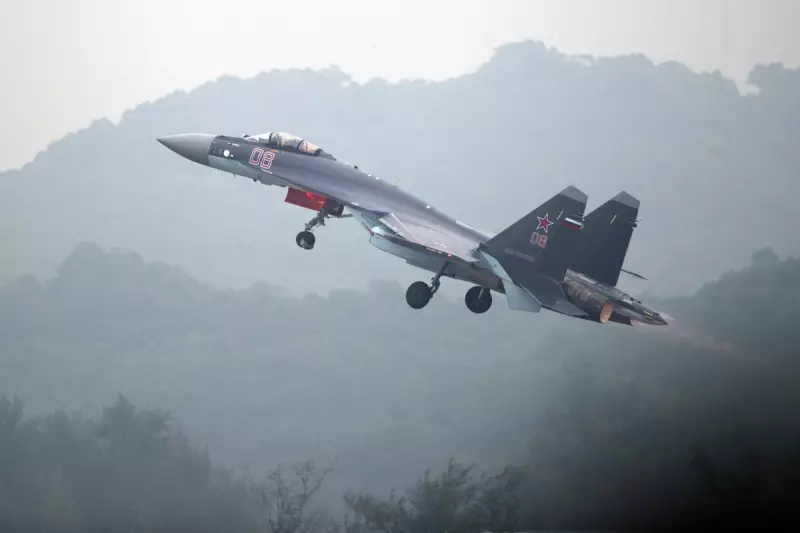
Japan has formally accused China of a significant military escalation, alleging that Chinese fighter jets locked their fire-control radar onto Japanese military aircraft in two separate incidents.
Details of the Dangerous Encounter
The incidents occurred on Saturday 7 December 2025 over international waters southeast of Japan's Okinawa island chain. According to Tokyo, Chinese J-15 fighter jets operating from the aircraft carrier Liaoning repeatedly targeted Japanese F-15 jets with their fire-control radar systems.
Japan's Defence Minister, Shinjiro Koizumi, strongly condemned the alleged actions, labelling them as "dangerous acts" that could have led to a catastrophic miscalculation. The Japanese government has lodged a formal and vigorous protest with Beijing over the encounters.

China's Firm Denial and Counter-Claim
China has swiftly and categorically denied Japan's version of events. In an official statement, Chinese authorities asserted that it was Japanese aircraft that had repeatedly approached and disrupted a previously announced carrier-based flight training exercise conducted by the Chinese navy.
This public disagreement marks a serious downturn in military relations between the two Asian powers and represents a notable escalation in their ongoing strategic rivalry.
Broader Context of Rising Tensions
The tense aerial encounters did not happen in a vacuum. They occurred against a backdrop of heightened diplomatic friction following recent remarks by Japanese Prime Minister Sanae Takaichi concerning Taiwan.
Beijing views any foreign commentary on Taiwan, which it claims as its own territory, as a direct challenge to its core interests. This incident underscores how regional flashpoints, particularly the status of Taiwan, can rapidly spill over into direct military confrontations, raising the risk of an unintended conflict.
The use of fire-control radar, a step often seen as preceding the actual launch of weapons, is considered a particularly aggressive and provocative manoeuvre in military diplomacy, making this episode deeply concerning for regional stability.