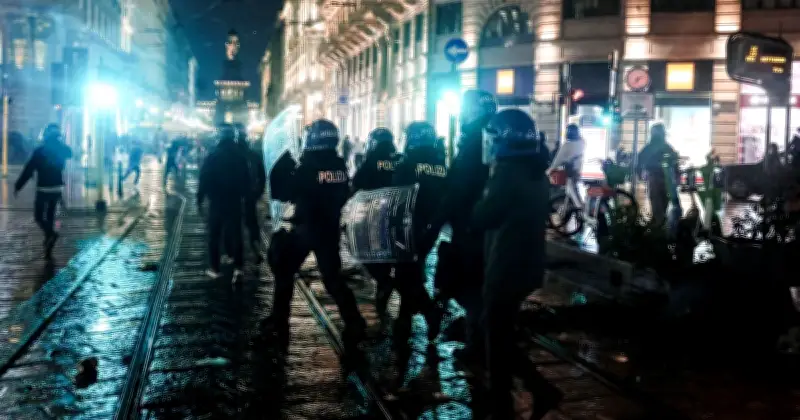
Italy is set to deploy 500 soldiers with police powers to Milan following violent unrest in the city centre that saw shops looted, windows smashed and officers injured. The deployment is expected to be approved by the cabinet on Tuesday, as authorities brace for further unrest at demonstrations planned for Saturday.
Government response to weekend violence
Prime Minister Giorgia Meloni's government is preparing an emergency security crackdown after a weekend of rioting that erupted following demonstrations over the cost-of-living crisis and poor public services. Deputy Prime Minister and Foreign Minister Antonio Tajani said the government would respond firmly to the violence.
He said: "The government's response will be very firm to ensure free commerce and the free movement of citizens in city centres."
Unrest details and arrests
The unrest began on Saturday, when an initially peaceful demonstration descended into violence. Groups of hooded youths were seen smashing shop windows, looting businesses and setting fires, while others hurled stones, bottles and flares at police. The violence continued into Sunday, with groups targeting shops and supermarkets before dispersing quickly.
More than 270 people were detained, with around 80% reportedly minors, according to Tajani. Fourteen people were injured in clashes with police.
Impact on businesses and further measures
Milan, one of Italy's most popular tourist destinations and its financial capital, has since seen businesses take precautions against further attacks. Luxury retailers in the city's famous Via Montenapoleone shopping district removed merchandise from their windows, while some shops closed early and increased security. Stores in the Galleria Vittorio Emanuele II shopping arcade also took measures to protect their premises.
The military deployment forms part of a wider package of measures being prepared by Ms Meloni's government. Deputy Prime Minister Matteo Salvini has backed tougher powers to deal with young people suspected of planning violence. The proposed measures include allowing police to detain minors for up to 12 hours where there is evidence they pose a threat, even if they have not committed an offence. Authorities are also considering restrictions preventing young people considered dangerous from attending events or entering designated areas.
Mr Salvini has warned that officials cannot wait until violence breaks out before intervening, pointing to reports of social media posts encouraging attacks on shops in other Italian towns. Further demonstrations are expected this weekend, raising fears that the unrest could spread. The violence has also been reported in other northern Italian cities, including Bologna, Brescia, Bergamo and Turin.
Ms Meloni chaired a meeting with ministers and senior security officials on Monday to discuss the response. Her government has introduced a series of tougher security measures since taking office in 2022, but critics argue that increasingly punitive policies do little to address the underlying causes of crime and social unrest. The demonstrations come amid mounting pressure on household finances, with rising living costs and stagnant real wages adding to public discontent.