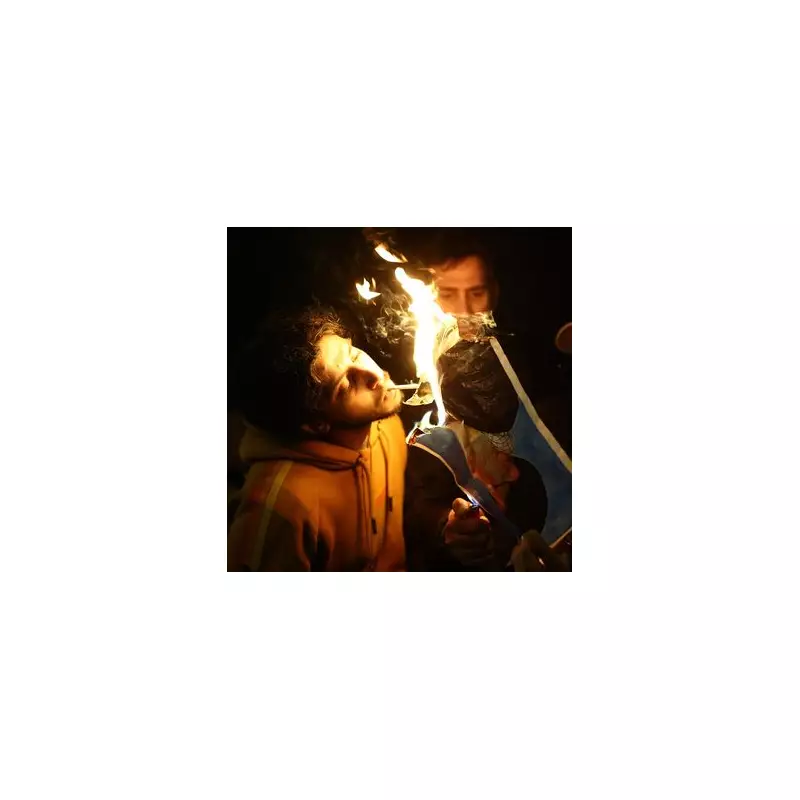
Senior figures within Iran's ruling establishment are reportedly moving hundreds of millions of pounds out of the country, a clear signal of eroding confidence as the regime faces its most significant internal challenge in years. A new intelligence assessment suggests that despite temporarily quashing widespread anti-government protests, the Tehran government's brutal security crackdown is unsustainable, prompting fears of an imminent collapse.
Capital Flight and Family Fortunes
According to a fresh report from the US-based Critical Threats Project, Iranian leaders have been diverting cash deposits to banks in Dubai and other foreign locations. This move indicates a profound lack of faith in Iran's domestic banking system and suggests preparations for potential exile.
Among those named is Mojtaba Khamenei, the son of Supreme Leader Ali Khamenei, who is alleged to have transferred approximately $328 million (around £250 million) to a banking establishment in Dubai. This capital flight, occurring even as the state narrative claims control, paints a picture of a deeply anxious elite hedging against a volatile future.

An Unsustainable Crackdown
The report, dated for January 2026, states that while the popular revolt has been suppressed for now, the massive mobilisation of security forces cannot be maintained indefinitely. The regime's effort to flood streets with troops and police has come at a horrific human cost.
Nearly 3,000 protesters are believed to have been killed, with fears that a further 20,000 have been detained in what are described as horrific prison conditions. Many of those imprisoned were reportedly earmarked for execution, though US President Donald Trump has stated he received assurances such killings are not proceeding. One named individual, 26-year-old shopkeeper Erfan Soltani, was said to be facing execution this week.
"The regime’s mobilisation of security forces to securitise society is unsustainable," the Critical Threats analysis warns. "Mobilising security forces for long periods of time risks burning out and exhausting these forces." The assessment concludes it is highly possible protests could resume once this security pressure cannot be sustained.
Regional Tensions and Regime Narrative
The revelations about internal financial panic come against a backdrop of heightened regional military tensions. The report follows major preparations for a potential US attack on Iran, which was reportedly paused after Trump accepted "reassurances" from Tehran.
Security sources suggest the pause may also be linked to concerns that Israel is not fully prepared for the missile onslaught Iran would likely unleash, potentially triggering a wider regional conflict involving Lebanese Hezbollah. However, the report notes Hezbollah "may be hesitant to conduct any direct action... that could trigger a full-scale conflict."
Internally, the Iranian regime is attempting to reframe the narrative. Officials, including Foreign Minister Abbas Araghchi, are labelling the protest movement as "terrorism," comparing demonstrators to ISIS and claiming "terrorist elements" committed atrocities against police. This reframing seeks to position the government as a victim rather than the perpetrator of violence.
As the regime battles to control the story and its streets, the movement of vast personal fortunes abroad by its most powerful families speaks louder than any official statement. It suggests that those at the very top are preparing for a scenario they publicly deny: the potential end of their rule.