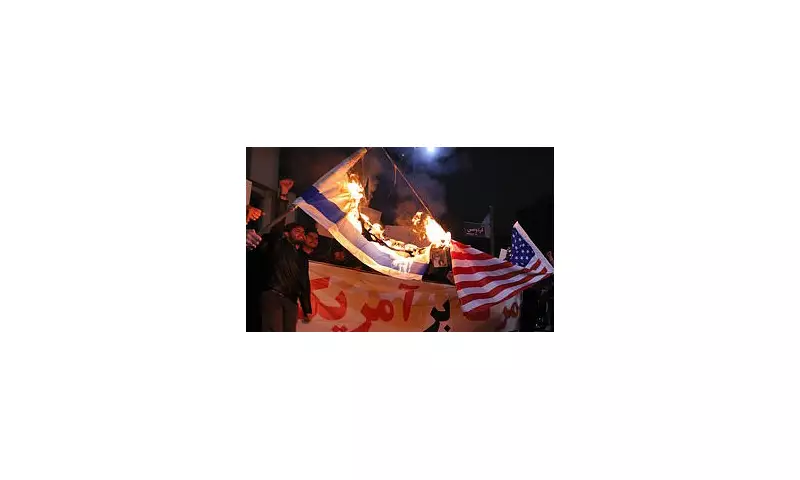
Iranian officials fear the United States could still launch a 'surprise attack' against the country, despite President Donald Trump appearing to soften his threats of military action in response to Tehran's violent crackdown on anti-government protesters.
Distrust of US Intentions
Speaking from Tehran, Hassan Ahmadian, an academic at the University of Tehran, argued that the Iranian regime is unlikely to believe the threat from Washington has truly receded. This scepticism follows Trump's statement that he had been informed 'the killing has stopped' in Iran.
Ahmadian explained that while the US President's comments signalled a de-escalation in rhetoric, Iran's leaders would remain deeply cautious. 'I think the Iranians will have a hard time believing anything this president says,' he said. 'Previously the Iranians were in talks with him and then the country was attacked.'

He was referring to US strikes on Iranian nuclear sites in June, when Washington joined Israel's 12-day war. 'There is a possibility of him trying to surprise-attack Iran,' Ahmadian added, highlighting the pervasive sense of distrust.
Protestor's Death Sentence Ruling
The heightened tensions come as Tehran confirmed that detained protestor Erfan Soltani, 26, will not face the death penalty. This development followed President Trump's explicit threat to take military action if the Iranian regime executed anti-government demonstrators.
The Iranian judiciary stated that Soltani is being charged with 'colluding against the country's internal security and propaganda activities against the regime'. Crucially, officials noted that the death penalty does not apply to such charges if they are confirmed by a court.
A Precarious Standoff
The situation underscores the fragile and volatile nature of US-Iran relations. Despite a momentary dialling down of aggressive language from the White House, the underlying threat of conflict persists in the view of Iranian analysts.
The regime's handling of the protests and the international reaction, particularly from the United States, continues to be a flashpoint. The specific mention of military action in response to executions placed a direct, public pressure on Tehran's judicial process.
As both nations navigate this tense period, the fear of miscalculation or a sudden escalation remains a significant concern for regional stability.