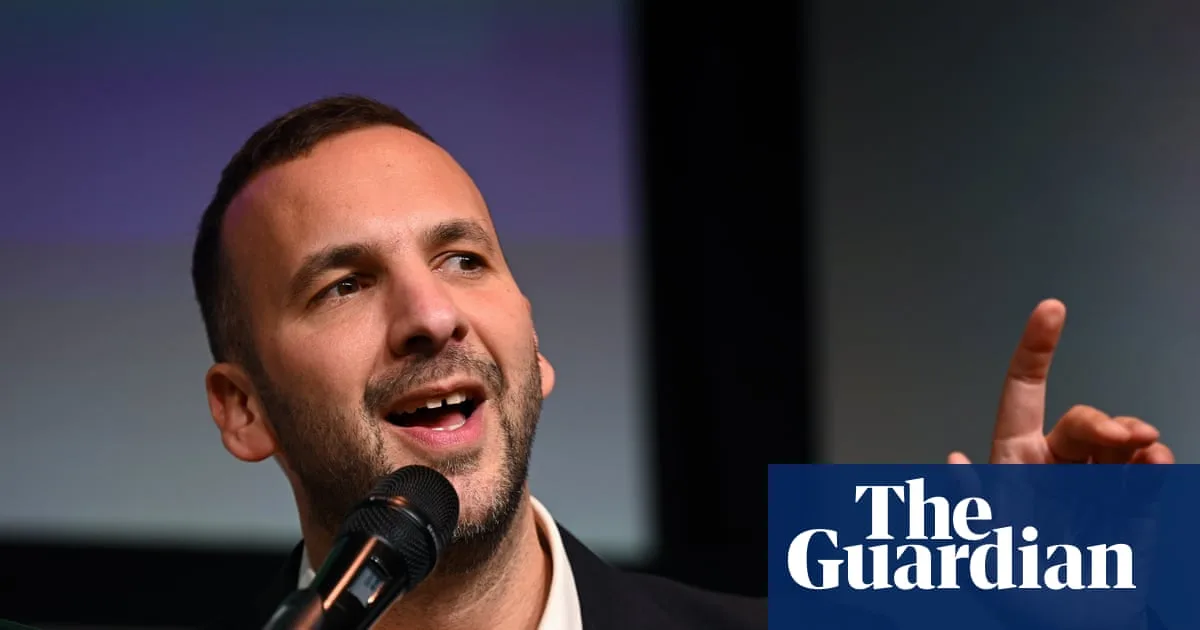
In a striking intervention that challenges decades of British defence policy, Green Party leader Zack Polanski has called for the United Kingdom to withdraw from the NATO alliance. He proposes forging an entirely new military partnership with the European Union, Mexico, Brazil, and nations of the Global South to combat what he terms 'American imperialism'.
A Radical Shift in Defence Posture
During a television interview with Channel 4, Polanski articulated a vision for a profound realignment of Britain's international security relationships. He argued that the UK must look beyond its traditional transatlantic partnership, citing the 'unpredictable' nature of former US President Donald Trump as a primary reason for seeking more reliable allies elsewhere.
Contradictory Stance on NATO Reform
The Green leader's position appeared to shift during the discussion. Initially, he suggested a desire to 'reform' the North Atlantic Treaty Organization from within, an alliance the UK has been a cornerstone member of since its 1949 inception. However, when pressed on this point, Polanski conceded that he did not believe such internal reform was actually possible, implicitly reinforcing his call for a complete departure.
"What I am arguing for is an alternative alliance with countries based in Europe - it's almost like you need to create a union of European countries - plus Brazil and Mexico and Global South countries that recognise we cannot rely on Donald Trump," Polanski stated. "He is not a reliable ally, he is unpredictable."
Questionable Choice of Proposed Allies
Polanski's selection of alternative partners has raised significant eyebrows among defence analysts and political commentators. Many European Union nations are themselves longstanding and committed members of NATO, creating a potential contradiction in seeking a new European military union outside the existing framework. Furthermore, the UK maintains various bilateral defence ties with EU states despite its departure from the political bloc.
The proposal to include Mexico presents particular complexities. While Mexico fought with the Allies during the Second World War, contributing a fighter squadron in the Pacific theatre, it has not engaged in foreign military conflicts since. Its armed forces are presently heavily committed to an internal struggle against powerful drug cartels that control significant portions of national territory.
Brazil's inclusion is similarly contentious. The South American giant is a prominent member of the BRICS international alliance, a grouping that includes Russia, China, and Iran—nations often at odds with Western strategic interests. This association places Brazil in a distinct geopolitical camp that may not align seamlessly with a new alliance ostensibly aimed at checking Russian and Chinese influence, which Polanski also mentioned needing to address.
Broader Policy Context and Criticism
This call to quit NATO follows recent comments from Polanski suggesting the UK should expel American troops from British soil and pause the multi-billion-pound renewal of the Trident nuclear deterrent system. Abandoning Trident would leave the UK without a continuous at-sea nuclear deterrent for the first time in generations, a move critics argue would be dangerously irresponsible amid heightened threats from Russia.
It would also jeopardise thousands of highly specialised jobs in British shipyards currently building the new Vanguard Class submarines. The UK's nuclear warheads are sourced from US stockpiles, but the nation maintains full operational independence over their use.
The interview prompted swift criticism. Labour minister Torsten Bell, reposting the exchange, noted: "This is very telling. There is almost no scrutiny of Green policy positions. As soon as there is, even with this very gentle probing, you get a mess."
Polanski concluded his television remarks by stating the UK should 'look at how we stop American imperialism, and also conversations about China and indeed Russia too', framing his proposed new alliance as a tool to address multiple global power dynamics simultaneously.






